Johannesburg: Accommodation, attractions and practical planning for visitors
Johannesburg, or Jo’burg as it is affectionately known, offers a diverse mix of stays, from stylish urban inns and boutique hotels to roomy guesthouses and purpose-built lodges. When planning a visit, consider which neighbourhood will best suit your interests, whether you are chasing culture, dining experiences, or easy access to transport links for day trips around Gauteng. The inner-city quarters, up-and-coming neighbourhoods, and established business districts each have a distinct character, and many hosts tailor their offerings to holidaymakers as well as business travellers.
For accommodation, think about amenities that will make your stay comfortable and convenient. Common features include complimentary Wi-Fi, on-site parking or secure parking, daily breakfast, air conditioning or ceiling fans, and 24-hour reception or security. You may also find properties with outdoor spaces, swimming pools, or common lounges where travellers can mingle. When you book, check whether transfers from airports or rail stations are available, and whether the property is within walking distance of eateries or a short ride from major attractions.
Transport is a practical consideration in Johannesburg. The city is well served by a railway network and the Gautrain links the airport with northern suburbs and Pretoria, making day trips more straightforward. Taxis, ride-hailing services, and local buses offer additional flexibility. If you plan to explore beyond the central areas, a car or organised tours can be very helpful, though many parts of the city are easily reached by supported shuttle services or guided excursions. When staying in central districts, you’ll often find good access to metro and train options, while boutique-focused areas may prioritise walkability and local dining.
Best time to visit Johannesburg is generally year‑round, but holidays and school breaks can bring busier streets in the city centre and popular markets. The late spring and autumn seasons offer pleasant temperatures for urban exploring, while the summer months can bring occasional showers. Winter is mild by many standards, though it can feel quite cool in the evenings. If you are planning a visit around major cultural events or markets, it’s worth booking well in advance and checking opening times, especially for attraction sites that operate on seasonal schedules.
When choosing where to stay, consider the following areas and what they typically offer:
- Sandton and Rosebank: a polished business and shopping belt with easy access to upscale dining and galleries, plus reliable transport links for suburban day trips.
- Braamfontein and Newtown: vibrant cultural hubs with a mix of trendy lodging, live venues, museums, and a lively street-food and café scene.
- Johannesburg CBD: a gateway to historical and cultural attractions, with a range of budget-friendly stays and some characterful heritage buildings, though it’s advisable to choose well-managed accommodation.
- Maboneng and De Waterkant precincts: boutique and design-forward options, good for food markets, urban art and neighbourhood walks.
- Soweto (a short ride from the city centre): immersive experiences and guesthouses focusing on township culture, heritage, and guided tours.
Planning practical details can make or break a trip. Look for clear cancellation policies, security features, and information about access to the building after hours. Read recent guest reviews to gauge cleanliness, responsiveness of staff, and how well the property manages peak demand. If you have mobility considerations, verify elevator access, step-free entrances, and the proximity of essential amenities. For families or groups, confirm room configurations and any communal kitchen or laundry facilities. For solo travellers, a host who can offer local tips or arranges early morning departures can add real value to your stay.
Accommodation within Johannesburg often sits close to a rich array of attractions and dining options. As a traveller, you’ll typically find easy routes to major museums, memorial sites, and heritage areas that illuminate South Africa’s past and present. In addition to iconic landmarks, look for neighbourhoods with markets, craft studios, bars, and eateries that reflect the city’s diversity. If you enjoy a relaxed evening, seek out properties with convenient access to night markets or riverfront parks where you can unwind after a day of exploration.
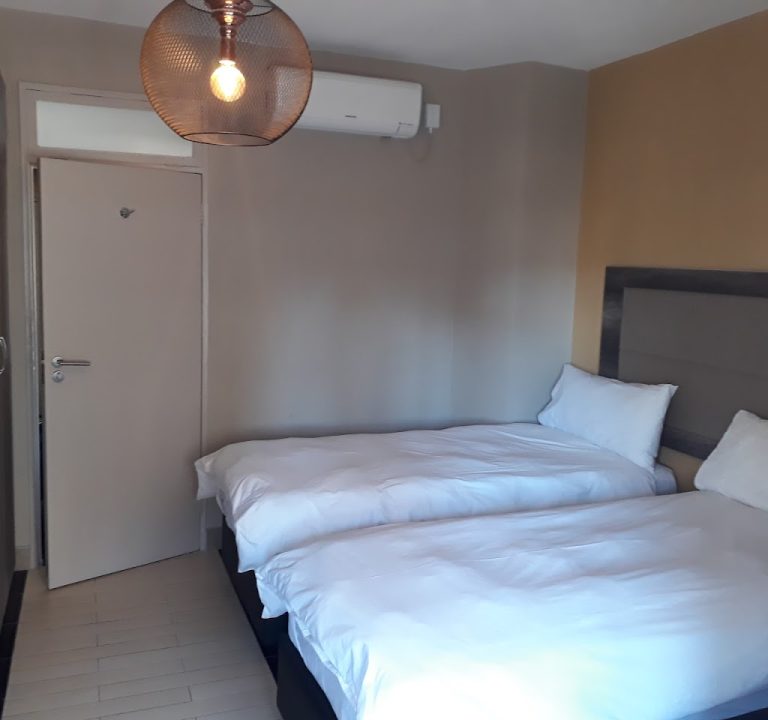
One example to consider is a property such as Fordsburg Inn, which sits in a historic district known for its multicultural atmosphere and proximity to central transport routes. The daily rhythm in such areas often blends traditional neighbourhood life with modern conveniences, enabling you to experience local cuisines and markets with relative ease. When researching, you may come across a range of options—from characterful boutique stays to modern hotels that offer comprehensive amenities. Always compare what is included, such as breakfast, parking, and Wi-Fi, against the price and location to maximise value for your itinerary.
When you arrive, plan a few adaptable activities. A mix of museum visits, guided heritage tours, and strolls through markets or design precincts can provide a well-rounded picture of Johannesburg. Dining experiences vary widely, from casual cafés to more formal eateries that showcase South Africa’s diverse culinary influences. To keep the day balanced, pair mornings of sightseeing with relaxed afternoons in parks, galleries, or shopping districts before returning to your base for a comfortable evening in.
For more information and ideas, many accommodation websites offer inspiration on local experiences, recommended routes, and practical travel tips. When booking, use filters to tailor your stay to your priorities—whether that means proximity to a rail station, a secure parking option, or a neighbourhood with a thriving food and arts scene. With thoughtful planning, Johannesburg can provide an engaging and convenient base from which to explore Gauteng’s fascinating mix of history, culture, and contemporary life.