Accommodation and Attractions in Johannesburg, Gauteng: A Traveller’s Guide
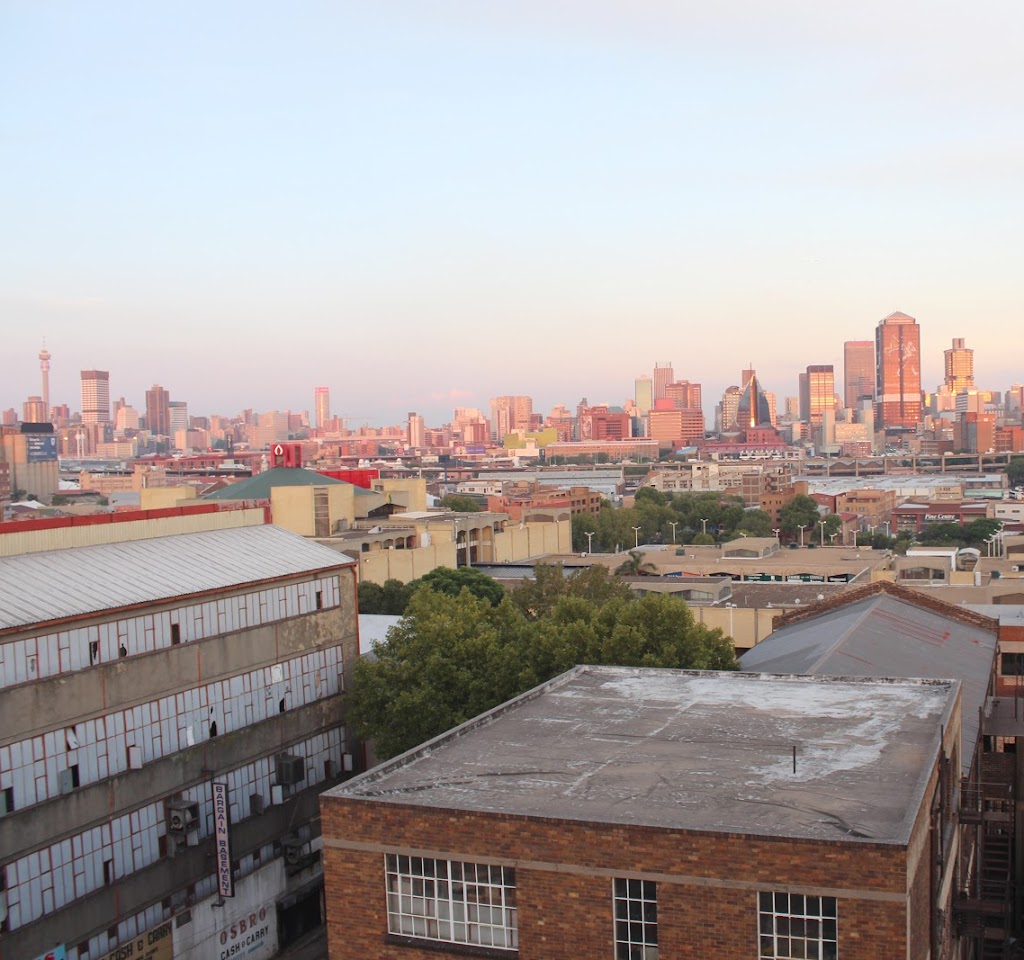
Johannesburg, or Jo’burg as many locals say, offers a vibrant mix of neighbourhoods, modern hotels and guesthouses, and a springboard to the wider Gauteng region. When planning a stay, think about what you want to balance: easy access to business districts, a lively arts and dining scene, or the quiet charm of tree-lined streets. Central hubs such as Fordsburg, Braamfontein, and Rosebank each bring a distinct character, while Sandton and Melville offer a different pace and set of amenities. A stay near the city centre can be convenient for exploring museums, markets and galleries, while a precinct a little further afield can provide a calmer atmosphere and stronger access to nature and shopping malls.
Accommodation choices in Johannesburg span stylish boutique guesthouses and mid‑range hotels to large established properties. In central areas, you’ll often find modern towers with practical facilities, including on-site dining, secure parking, and reliable Wi‑Fi. In trendier districts, boutique properties and guesthouses frequently emphasise personalised service, characterful interiors and proximity to late‑night eateries and markets. For families or longer stays, serviced apartments or hotel suites with kitchen facilities can be very convenient. If you’re considering a stay at Hotel Galaxy Tower Fordsburg Johannesburg or similar properties, you’re likely to be within easy reach of city sights, with something of a friendly, commuter‑style neighbourhood atmosphere nearby.
What to look for when booking a place in Johannesburg:
- Location relative to your planned activities — museums and galleries, markets, or business meetings.
- Transport links, such as access to main roads, Gautrain stations, or reliable taxi/private-hire services.
- Sound insulation and comfort, especially if staying in busy urban cores.
- Complimentary perks that save time, like breakfast, parking, or luggage storage.
- Wi‑Fi reliability for work or streaming, and adequate plug points for devices.
- Safety features and well‑lit entrances or 24‑hour reception, particularly if arriving late.
Typical amenities you might expect include en‑suite bathrooms, air conditioning or ceiling fans, and secure access. Breakfast options vary from continental to full English or locally inspired menus, often featuring fresh fruit and hot beverages. On-site dining can range from casual cafés to more formal restaurants, while some properties host pleasant terraces or lounges for evening downtime. If you’re staying longer, look for a kitchenette or access to a communal kitchen or laundry facilities. For families, ask about cribs or children’s amenities, and for business travellers, check for a work area or business lounge.
Transport in Johannesburg is straightforward but depends on your itinerary. The city is well served by airports and major highways, and public transport includes a network of buses and the Gautrain connecting key hubs to Pretoria and OR Tambo International Airport. In central and inner‑city areas, Uber, Bolt, and other ride‑hailing services offer convenient travel, while some hotels arrange shuttles or car hire on request. If you plan day trips to places like the Cradle of Humankind, the Lion Park, or the renowned Soweto precincts, a rental car or pre‑booked tour can be worthwhile, though many sights are accessible by guided tours or organised day trips from central hotels.
Best time to visit Johannesburg depends on your priorities. The city experiences warm summers with afternoon showers and cooler, dry winters. The spring months (September to November) and autumn (March to May) can offer pleasant conditions for outdoor strolls, markets, and rooftop dining. If you’re inclined to markets, food fairs, or live music, align your visit with a local events calendar. Winter is cool but generally dry, making city walking routes and museum visits comfortable, while summer brings lush parks and outdoor venues but can be busier with crowds.
Practical tips to help you plan a smooth stay:
- Plan your days around areas with easy access to what you want to experience—arts districts for galleries and street art, or business hubs for corporate events.
- Pack comfortable walking shoes for urban exploration and include a lightweight layer for cooler evenings.
- Carry cash for street markets and smaller eateries, though cards are widely accepted in hotels and larger venues.
- Start your day with a hearty breakfast if your accommodation offers it, or choose a nearby café with good reviews for local favourites.
- Respect local safety guidance, stay aware of your surroundings, and take standard travel precautions, especially after dark in less busy areas.
In terms of attractions and experiences, Johannesburg offers a rich array of options without needing to plan every detail in advance. Museums and galleries provide insight into South Africa’s history and contemporary culture, while markets and neighbourhoods such as Braamfontein and Maboneng offer street art, boutique shops, and diverse dining atmospheres. For a relaxed day outdoors, city parks and nearby natural reserves provide space to unwind. When it comes to dining, you’ll find everything from modern bistros to traditional eateries offering regional favourites and international dishes. For further planning and inspiration, official tourism resources such as Gauteng Tourism and City of Johannesburg websites can be useful starting points, along with hotel or guesthouse partner sites that provide local knowledge and suggested itineraries.