Johannesburg: Accommodation and Experiences in Gauteng
Johannesburg, or Jo’burg as many locals call it, offers a dynamic mix of stylish guesthouses, boutique lodges and modern hotels, all set within a topology of vibrant neighbourhoods. When planning a stay in Gauteng’s most populous city, choose a base that suits your planned activities, whether you want easy access to history and culture, or a quieter corner with a strong sense of place. The Parkhurst area, for example, is renowned for its leafy streets, craft eateries and walkable cafés, while other parts of the city provide quick routes to central business districts, or more expansive nature and museum hubs.
Areas to consider include the inner-city and central suburbs for immersive culture and nightlife, Sandton for upscale dining and shopping, and the northern suburbs for a more residential, relaxed ambience with easy access to the highways. Each district has a distinct rhythm: a guesthouse near the city centre can place you within minutes of museums, markets and live entertainment, whereas a lodge in a tree-lined enclave may offer a calmer start to your day and a stronger focus on local hospitality.
Booking expectations in Johannesburg vary as widely as the city’s neighbourhoods. Look for properties that offer secure access and on-site parking if you plan to hire a car, as well as reliable Wi‑Fi and clear information about check-in times. Many guesthouses in residential areas aim to deliver a personalised experience, with hosts who can suggest safe, well-lit routes for evening strolls and provide practical tips for short transfers around town. In all cases, read recent guest reviews to gauge consistency in service, cleanliness and the accuracy of described facilities.
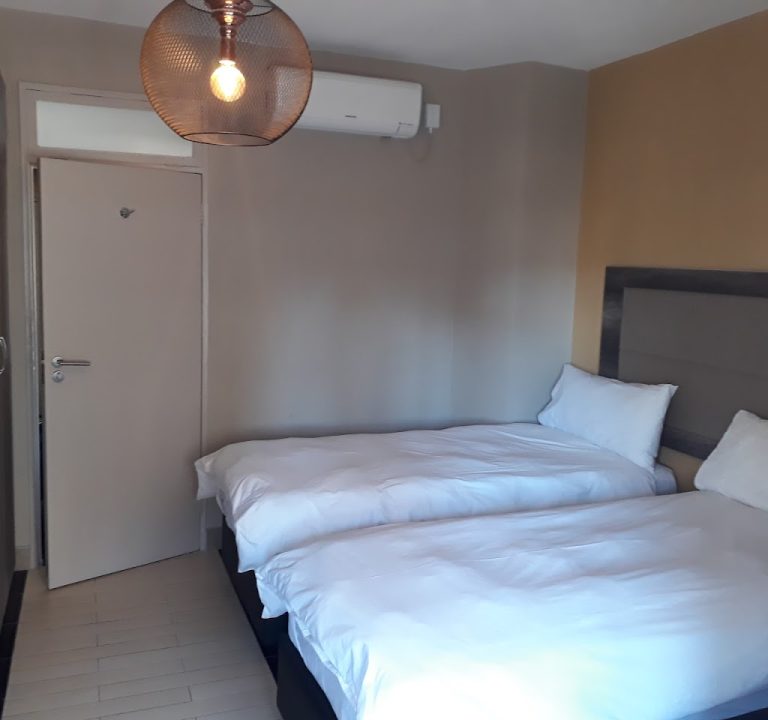
Typical amenities you might encounter include en-suite bathrooms, air conditioning or ceiling fans, tea and coffee provisions, bit of a kitchen or kitchenette for self-catering, and flexible breakfast options. Some properties offer comfortable lounges, terraces or gardens where you can unwind after a day of sightseeing. If you’ll be working remotely or staying longer, enquire about workspaces, quiet corners, and late check-in arrangements. Families may appreciate larger suites or rooms with extra bedding, while solo travellers often value strong security, proximity to transit routes, and friendly hosts who can share local tips.
Transport in Johannesburg is practical but planning ahead saves time. If you’re staying in a central or northern suburb, you’ll likely rely on a car or ride-hailing services to reach attractions and restaurants. Public transport exists but often requires careful planning, especially for visitors unfamiliar with the city’s layout and peak traffic. When booking, check the property’s proximity to major roads, highway access, and any nearby rail or bus corridors. For shorter stays, a centrally located base can cut down on transit time and help you maximise sightseeing.
The best time to visit Johannesburg depends on your priorities. Spring and autumn (September to November and March to May) offer mild weather and comfortable days for outdoor exploration. Winter (June to August) can be cool, sometimes dipping near single digits in the mornings, so pack warm layers. Summers bring heat and afternoon thunderstorms; if you’re sensitive to heat, plan indoor activities during peak afternoon hours and schedule outdoor experiences for mornings or evenings. For leisure travellers, shoulder seasons can bring lower rates while keeping the city’s energy and attractions accessible.
Attractions and experiences in and around Johannesburg cover a broad spectrum, from cultural museums and historic sites to parks, markets and family-friendly outings. Within the city, you’ll find opportunities to explore historical narratives through carefully curated displays and guided tours. Around the wider Gauteng region, day trips can include wildlife encounters, heritage townships (seen through guided experiences that emphasise context and respectful storytelling), and modern urban hubs with galleries, eateries and live music. While it’s wise to plan in advance, you’ll often discover spontaneous moments—a street market, an impromptu street performance, or a café with live jazz—that showcase the city’s ongoing energy.
Dining in Johannesburg is diverse, ranging from casual eateries and coffee hubs to refined restaurants offering contemporary South African flavours. In most neighbourhoods you’ll find places that emphasise seasonal ingredients, local suppliers and regional influences. Many guesthouses and boutique hotels arrange recommendations or even dining transfers to help guests discover the best matches for their mood and budget. When planning meals, consider trying a mix of early evening spots near your accommodation and one or two in renowned dining precincts to experience the city’s culinary range without overloading a single day.
Practical planning tips for travellers staying in Johannesburg:
- Choose a base with reliable security features and clear access information.
- Prioritise proximity to the areas you wish to explore most, and check transport options for evenings.
- Look for flexible breakfast and dining arrangements if you have early starts or late nights.
- Request local recommendations for safe walking routes, markets and emerging neighbourhoods.
- Pack adaptable clothing for variable weather, and keep a light waterproof layer for summer showers.
Booking a stay in the Parkhurst area or similar guesthouse-style havens can offer a friendly, resident feel with independent character, while other districts provide easy accessibility to business districts, large shopping venues and museums. For a well-rounded visit, balance restful stays with a mix of guided experiences and self-guided exploration, allowing you to absorb Johannesburg’s evolving story, its people and its places at a comfortable pace. For further inspiration and practical planning resources, you can visit official tourism pages and reputable travel guides to tailor your itinerary to your interests and budget.