Exploring Cape Town: A Guide to Accommodation, Areas to Stay, and What to Do
Cape Town, set between the Atlantic Ocean and the iconic Table Mountain, offers a diverse range of stays from cosy self‑catering retreats to stylish boutique guesthouses and family‑friendly lodges. When planning a visit, consider where you want to base yourself to make the most of your time. The city’s neighbourhoods each have a distinct character, and choosing the right area can shape your experience—from beachside relaxation to easy access to city sights and wildlife excursions.
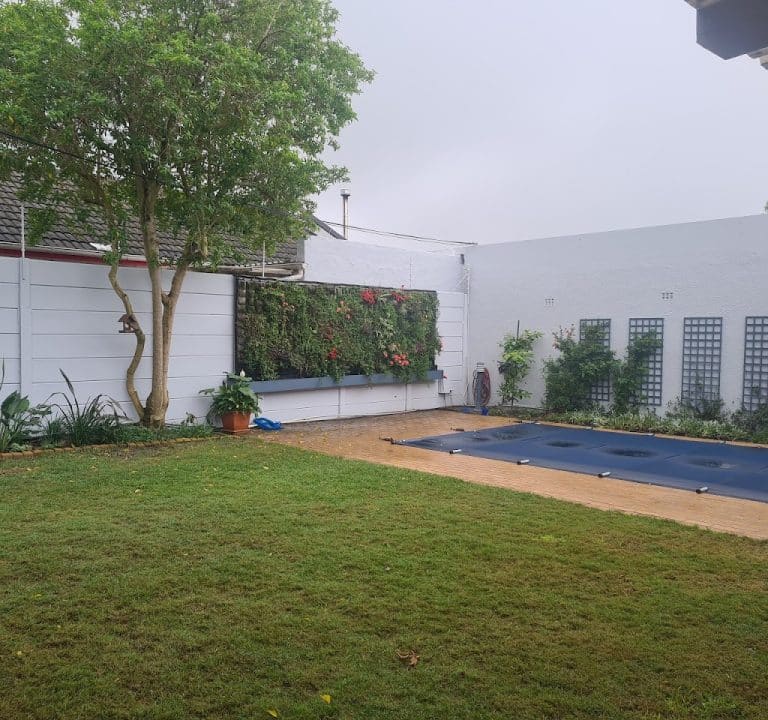
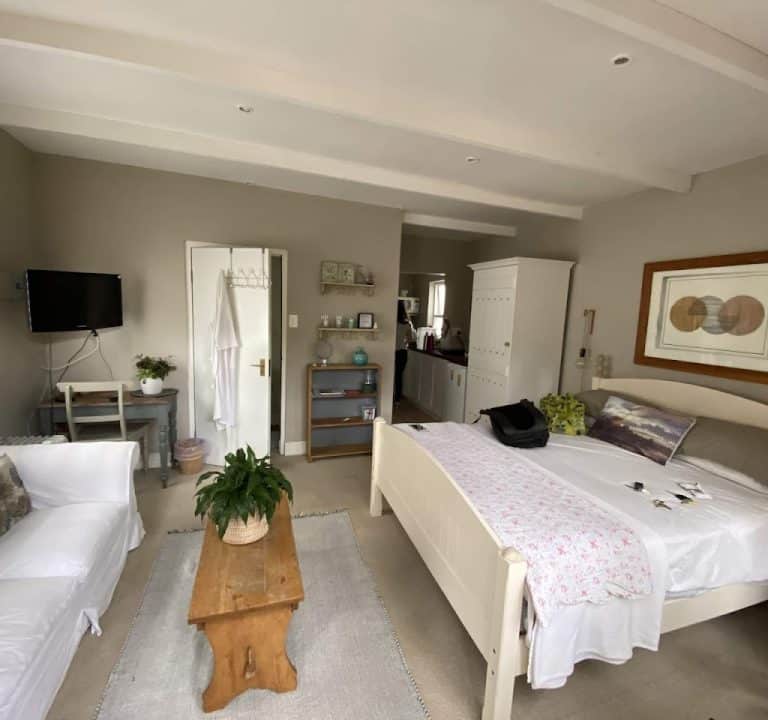
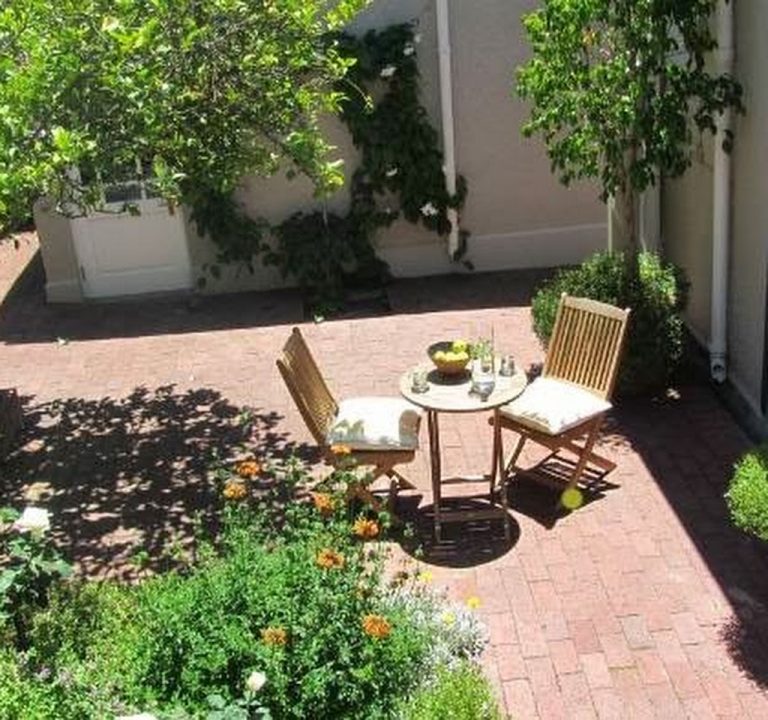
Self‑catering options, such as Nooitgedacht Oasis, can be ideal for travellers seeking flexibility, especially when travelling with family or a group. A well‑equipped kitchen, living space, and private outdoor areas enable a relaxed pace and the option to dine in after a day of exploring. When booking, look for clean, well‑maintained spaces, clear self‑catering instructions, and practical amenities such as reliable wifi, onsite parking, and generous storage for luggage and beach gear.
Areas to consider include:
- City Centre and the Company’s Garden area for easy access to museums, markets, and a wide range of dining and nightlife.
- V&A Waterfront for waterside views and convenient transport links, with a short ride to many attractions.
- Camps Bay and Clifton for beach proximity and a chic, relaxed vibe, good for scenic sunsets and coastal walks.
- Green Point and Sea Point for a blend of residential calm with quick access to coastal paths and public transport.
- Constantia and the Constantia Valley for those seeking hillside tranquillity, wine routes, and leafy surroundings.
When booking, consider the following practicalities:
- Transport: Cape Town’s geography makes car hire convenient for exploring beyond the city core, though Uber and other ride‑hailing options are commonly used. If you plan coastal drives or trips to wine regions, a car is valuable.
- Amenities: A comfortable bed, enough wardrobe/storage space, a well‑equipped kitchen or kitchenette, reliable heating or cooling, and good natural light are worth prioritising. Outdoor space can also be a big plus, particularly for longer stays.
- Access and safety: Look for well‑lit entrances, secure parking or safe access routes, and clearly communicated check‑in procedures. A sense of personal space and discretion is often valued in residential stays.
- Flexibility: Flexible cancellation policies can be important given peak travel seasons or weather conditions. Check the terms and any minimum‑stay requirements.
Seasonality in Cape Town is pleasant most of the year, but the best time to visit generally falls in the quieter shoulder months (spring and autumn) when the weather remains mild, and crowds are thinner. December to February is peak season, especially around the beaches and harbour precincts, so expect busier streets and higher rates. If you favour quieter experiences and good value, aim for late autumn or early spring when outdoor activities, hiking, and wine‑tasting involve fewer queues.
What to plan around day by day can help you balance relaxation with iconic experiences. A typical first‑time itinerary might include a morning cable‑car or vantage point walk to see Table Mountain, followed by a harbour‑side lunch and a stroll along the V&A Waterfront. A half‑day excursion to the Cape Peninsula or the Cape of Good Hope can be a highlight, with opportunities to spot seals and enjoy dramatic coastal scenery. For those with a taste for culture, a city‑centre walk or guided tour can reveal districts with vibrant street art, markets, and historical architecture. A visit to a nearby wine‑region is a popular option for a day trip, especially for guests staying in Constantia or the surrounding valleys.
Food lovers will find Cape Town’s dining scene diverse and approachable. Expect casual seafood shacks near the coast, modern bistros in the city, and intimate dining rooms in leafy suburbs. For a balanced and representative experience, base a few meals around local favourites such as neighbourhood cafés, markets, and small restaurants that champion seasonal produce. While specific restaurant names and prices change over time, readers can use local hospitality guides or reputable review sites to identify current recommendations close to their chosen base.
Practical tips to help you enjoy a smooth stay:
- Pack layers: coastal weather can be changeable, especially near the sea and on the mountainside. A lightweight jacket and sun protection are wise year‑round companions.
- Water safety: if you plan coastal walks or trips to beaches, stay aware of currents and local safety guidelines; many beaches have lifeguards during busier seasons.
- Respect local etiquette: casual dress is common in Cape Town’s outdoor spaces, but some restaurants and venues may have dress expectations—check before you go.
- Connectivity: select accommodation with reliable wifi if you need to work or stay connected, and consider a local SIM or eSIM for seamless data on the go.
Whether you choose a stylish apartment on a hillside, a chic guesthouse near the waterfront, or a family‑friendly property in a leafy suburb, Cape Town rewards thoughtful planning and a flexible approach. Use this guide to align your accommodation with your plans—be it coastal lounging, cultural city strolls, or day trips to winelands and nature reserves. For inspiration and practical planning resources, you can explore regional tourism sites and current accommodation listings to tailor your stay to your interests and budget.