Cape Town: A Guide to Accommodation, Attractions and Practical Planning
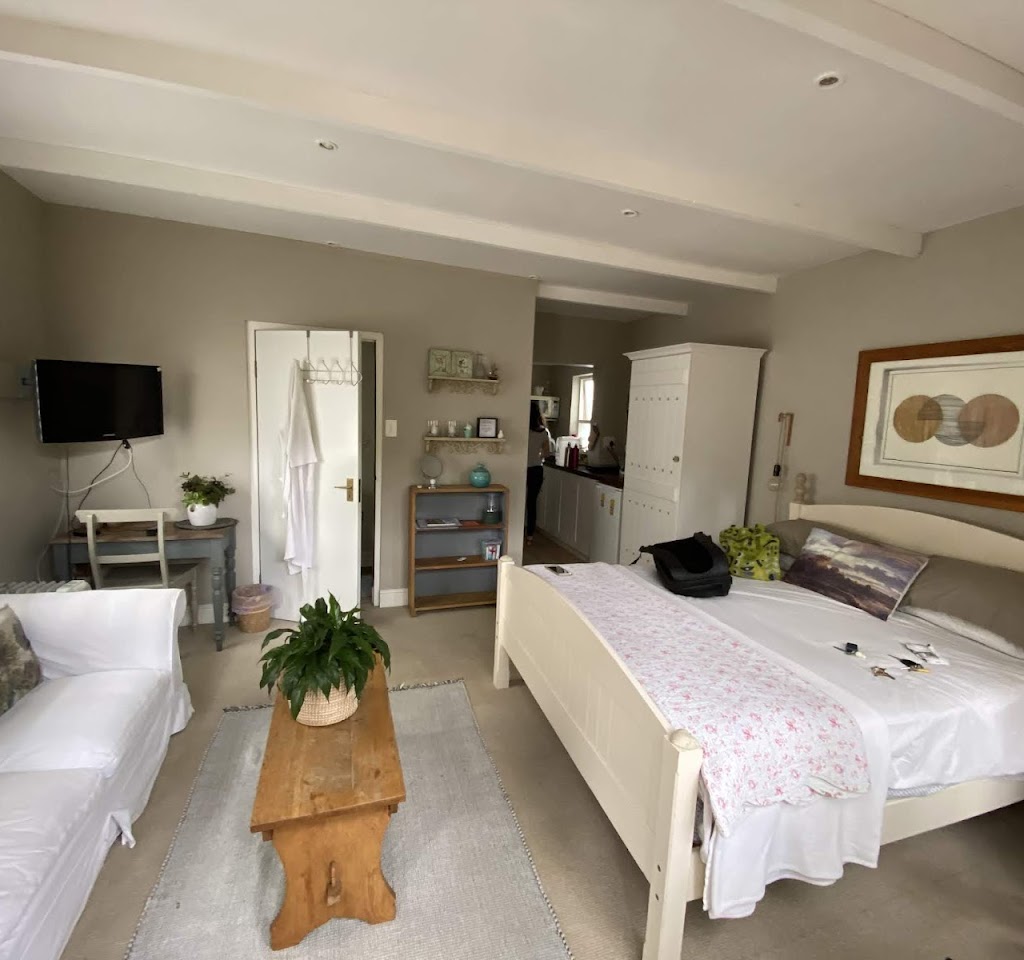
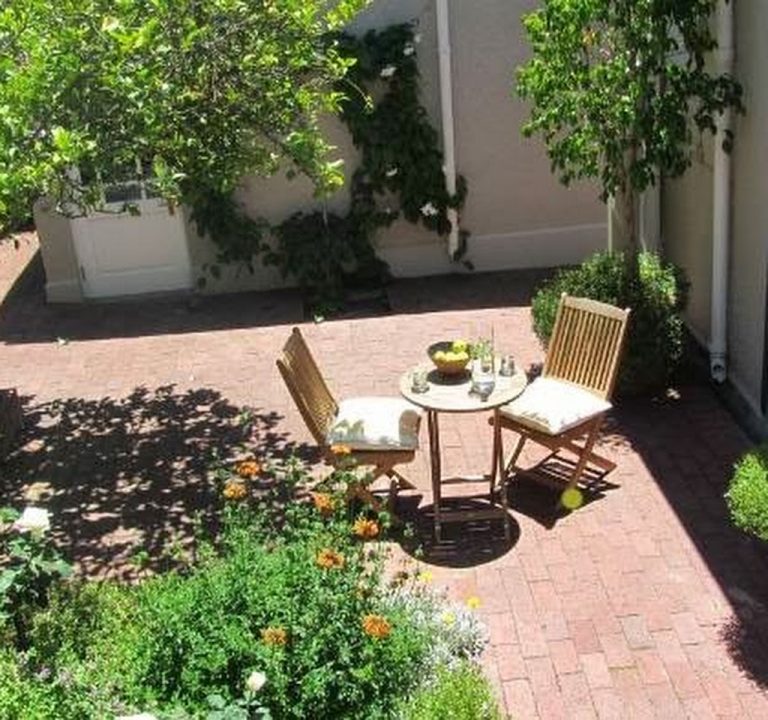
With its rich geography, vibrant culture and world-class dining, Cape Town offers a memorable base for visitors seeking a mix of city life, history and coastline. From the glittering Atlantic shore to grand mountain vistas, the choice of where to stay can shape your entire experience. Whether you favour a stylish city apartment, a cosy guesthouse in a leafy neighbourhood, or a self-contained holiday home like The Birdhouse, you’ll find options that suit different budgets and travel styles.
Areas to consider when planning a stay include the city bowl and central Cape Town, the foreshore and V&A Waterfront for easy access to attractions and dining, the Atlantic Seaboard (think Camps Bay and Bantry Bay) for sunsets and beaches, and the historical outskirts such as Green Point, Gardens and De Waterkant. For a more relaxed, family-friendly vibe or a quieter residential feel, Groot Constantia, Constantia Valley wine route or the southern suburbs offer leafy streets and hillside views. Each area has its own character, access to transport links, and proximity to sights, so decide what matters most—beach access, nightlife, museums, or vineyard day trips—before booking.
When you’re choosing accommodation, here are practical factors to weigh:
- Transport links: Look for lodgings near MyCiTi bus routes, train lines or major roads. In Cape Town, a car is convenient for day trips to wine regions or Cape Point, but many areas are walkable or bike-friendly for urban exploration.
- Access to sights: If you want to minimise hopping between hills and steep streets, opt for a central base or a well-connected hub close to the V&A Waterfront or Cape Town CBD.
- Amenities: Check for reliable heating or cooling, good wi‑fi, a well-equipped kitchen or kitchenette, secure parking, and laundry facilities if you’ll be staying a while.
- Safety and comfort: Read recent guest reviews about safety, building access, and noise levels. A well-managed property with clear check-in procedures makes for a smoother stay.
- Size and layout: For families or small groups, a separate bedroom, living area and a kitchenette can make a notable difference in comfort and convenience.
Typical amenities you might encounter include secure entry, daily or regular housekeeping, complementary toiletries, quality linens, a well-equipped kitchen, and often flexible check-in times. Some holiday apartments, such as well-presented offerings in the city or coastal areas, provide a touch of local flair with thoughtfully styled interiors and curated recommends for nearby eateries and markets. For longer stays, consider a property with a dedicated workspace and ample storage, which can transform a short break into a comfortable home-from-home.
Travel practicalities in Cape Town are worth noting. The city’s geography means that many popular sights are spread out, so a little planning goes a long way. If you’re renting a car, you’ll have the freedom to explore the Cape Peninsula, the Cape Point reserve, and the Constantia wine route at your own pace. If you prefer not to drive, choose a base near public transport or tour hubs, and book day tours with reputable operators that suit your interests—whether you’re after wildlife encounters, penguin viewpoints at Boulders, or scenic coastal drives. Remember that peak season (roughly December to February) brings higher prices and busier streets, so booking well in advance is wise if you plan to stay during these months.
Best times to visit Cape Town balance weather, crowds and cost. The shoulder seasons—spring and autumn—often offer pleasant temperatures, lower rates and fewer crowds, making it easier to visit outdoor attractions without long queues. Winter in Cape Town (June to August) is milder than many destinations but can be rainy, so indoor attractions, markets and eateries become attractive options on wetter days. If you love beach days and hiking with reliable sunshine, plan for late spring or early autumn to enjoy a comfortable climate with good visibility for coastal views.
Attractions and dining are abundant, from iconic landscapes to modern eateries. You’ll find sweeping viewpoints, historic sites, and a thriving culinary scene that emphasises fresh, regional ingredients. In planning visits, you don’t need to commit to fixed itineraries; instead, mix a few big-ticket sights with strolls through markets, waterfront promenades, or a scenic drive along the Atlantic coast. Restaurants range from casual bistros offering local seafood to refined venues showcasing South Africa’s diverse flavours. For meals, you might prioritise places that source ingredients responsibly and offer flexible seating arrangements for groups or couples. Always check opening hours and whether reservations are needed, especially on weekends or holidays.
Useful practical tips for a smooth stay:
- Pack layers for rapidly changing coastal weather, even in warmer months.
- Bring a light, portable backpack for day trips and a refillable water bottle for excursions.
- If you’re staying in a self-catering apartment like The Birdhouse, map out nearby groceries, markets and bakeries for fresh produce and provisions.
- Respect local etiquette and safety norms, keep valuables secure, and use trusted taxi or ride-hailing services for late-night outings.
- Book activities and restaurant reservations ahead of time during peak periods to avoid disappointment.
Ultimately, Cape Town rewards thoughtful planning. Choose an area that aligns with your pace—whether you want to live like a local in a busy urban hub, soak in sea views from a stylish apartment, or enjoy a tranquil hillside retreat—and build a stay around comfortable accommodations, accessible transport, and a balanced mix of scenic and culinary discoveries. By blending practical logistics with a flexible itinerary, you’ll maximise your time in a city famed for its scenery, warmth and remarkable sense of place.