Staying in Cape Town: where to base yourself, what to book, and what to explore
Cape Town offers a vibrant mix of neighbourhoods, landscapes and experiences that suit every type of traveller. From the harbour-front bustle of the V&A Waterfront to the leafy tranquillity of Constantia, the city provides a springboard for exploring both urban pleasures and natural beauty. When planning a stay, consider not only the sights you want to see but how you’ll move around, what you’ll cook or eat, and how long you’d like to stay in each area.
One practical starting point is to think about areas that align with your interests and pace. The City Bowl and central Foreshore are convenient for first-time visitors who want quick access to museums, markets and a lively dining scene, with many self-catering and guesthouse options that suit short breaks or longer city stays. The Atlantic Seaboard, including popular neighbourhoods along the coast, tends to offer stylish apartments and guesthouses with sea views and easy access to beaches, cafés and sunset vantage points. If wine and outdoor pursuits call, Constantia, Stromness and the nearby wine routes provide a more relaxed, suburban base with generous garden spaces and self-catering properties, a short drive from Kirstenbosch and the Constantia Valley wineries.
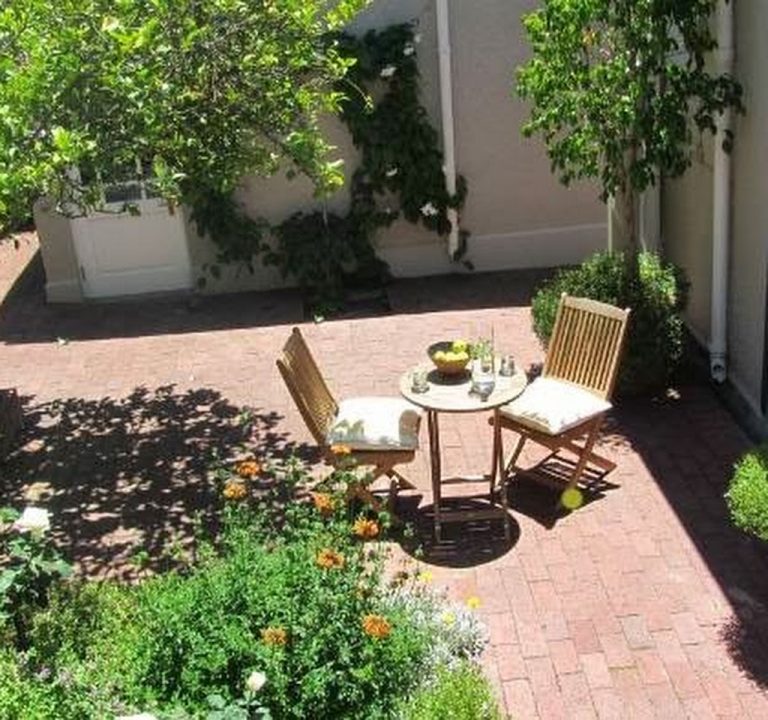
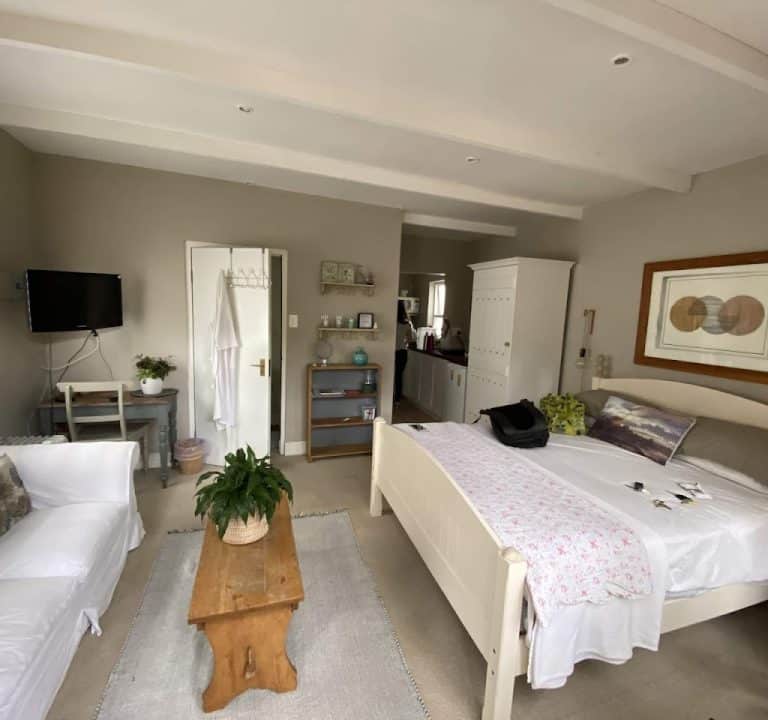
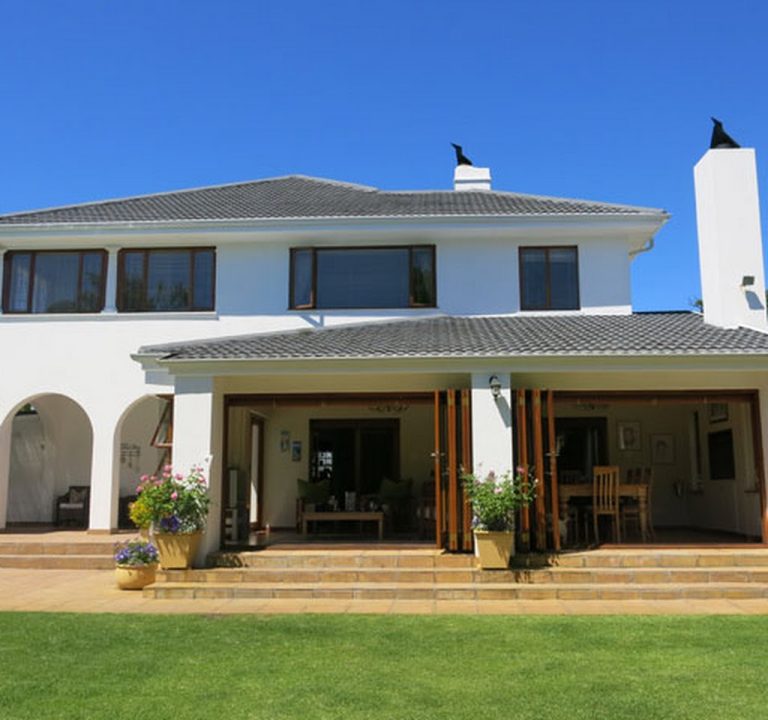
With self-catering options in mind, a property such as Jamieson Cottage exemplifies how a stay can blend independence with thoughtful comforts. In self-catering accommodation, guests typically benefit from a fully equipped kitchen, living and dining areas, and private entrances. You may find features like reliable Wi‑Fi, off-street parking, and outdoor spaces such as patios or courtyards. When booking a cottage or apartment, check the inclusions carefully: some properties provide basic kitchenware, while others offer additional luxuries such as a barbecue area, laundry facilities, or a small garden. A clear layout and good natural light can make a big difference to a stay, particularly if you’re working remotely or planning longer visits.
When you’re selecting accommodation, look for a few practical details. Accessibility and transport connections often shape daily plans: proximity to major bus routes or railway stations, as well as the availability of secure parking, can save time. If you’ll be renting a car, a ground-floor or accessible option may be worth prioritising. If you prefer to rely on public transport, choose places near MyCiTi bus stops or other reliable services. For those who like to walk, consider locations within easy reach of a coastline path, Table Mountain viewpoints, markets, eateries and cultural venues. Finally, read recent guest reviews to gauge how well the property is maintained, how responsive hosts are, and whether the space matches the listing description.
Typical amenities to expect in well‑priced Cape Town accommodation include strong Wi‑Fi, comfortable beds with quality linens, reliable heating or cooling, and well-equipped kitchens or kitchenettes. Many properties also offer complimentary tea and coffee, iron and ironing board, and a clean and private outdoor area. A good self-catering option will provide clear instructions on how to access the property, a well-stocked starter pack of essentials, and a straightforward check‑in process. If you’re visiting during a cooler season or the windy spring, ensure heating devices and blankets are available. For families or longer stays, seek properties with laundry facilities or a washer-dryer combo, a dishwasher to ease chores, and a larder space for groceries picked up locally.
Transport and getting around Cape Town require a little planning. The city centre is compact enough for exploring on foot or by Uber and taxi services. For scenic or more distant destinations, a hire car offers flexibility, but be mindful of peak traffic times and parking rules in busy districts. If you’re heading to the Cape Winelands or Cape Point, guided day tours or private drivers can be convenient alternatives to self‑driving, particularly if you want to maximise sightseeing with minimal hassle. For those who enjoy outdoor exploration, start days early for Table Mountain, the Cape Peninsula, and the beautiful beaches along the Atlantic Seaboard, then retreat to a comfortable base in the late afternoon to unwind at a nearby café or restaurant.
Best time to visit Cape Town depends on your priorities. Summer (December to February) brings longer days, more sunshine, and lively outdoor dining and markets, ideal for beach days and harbour strolls. Autumn (March to May) offers calmer weather and fewer crowds, a great time for hiking and coastal drives. Winter (June to August) brings cooler, wetter weather but can be dramatic and atmospheric, with excellent storm-watching conditions from vantage points along the coast. Spring (September to November) showcases blooming flora and a balance of outdoor activities and indoor cultural events. Whatever you choose, book ahead for popular areas during peak seasons and consider a mix of stays across a few neighbourhoods to capture the city’s diverse character.
To help plan your days, here are a few practical tips:
- Prioritise a base that minimises daily travel for your must‑see experiences.
- Check whether the accommodation offers a flexible cancellation policy, particularly for longer stays.
- Confirm kitchen facilities and essential appliances before booking, especially if you plan to dine in often.
- Explore local markets and casual eateries to sample Cape Malay and other regional cuisines without breaking the budget.
- Use reputable operators for day trips to popular spots and natural attractions, ensuring safety and reliable itineraries.
Finally, as you map out your itinerary, keep some balance in mind: a few days with structured tours, interspersed with relaxed mornings at your accommodation or by the coast, can help you absorb Cape Town’s energy without feeling rushed. With careful planning, your stay—whether in a chic seaside apartment, a historic guesthouse, or a cosy self-catering cottage such as Jamieson Cottage—will offer a rich blend of comfort, culture and the extraordinary natural beauty that defines the Western Cape.