Where to stay and what to do in Cape Town, Western Cape
Cape Town is a city of contrasts, where ocean, mountains and neighbourhoods blend into a vivid travel experience. When choosing accommodation, think about ease of access to the places you want to explore, how much time you’ll spend in transit, and what kind of stay will help you feel relaxed between adventures. From intimate guest houses to contemporary boutique hotels, the Mother City offers options to suit different budgets and itineraries.
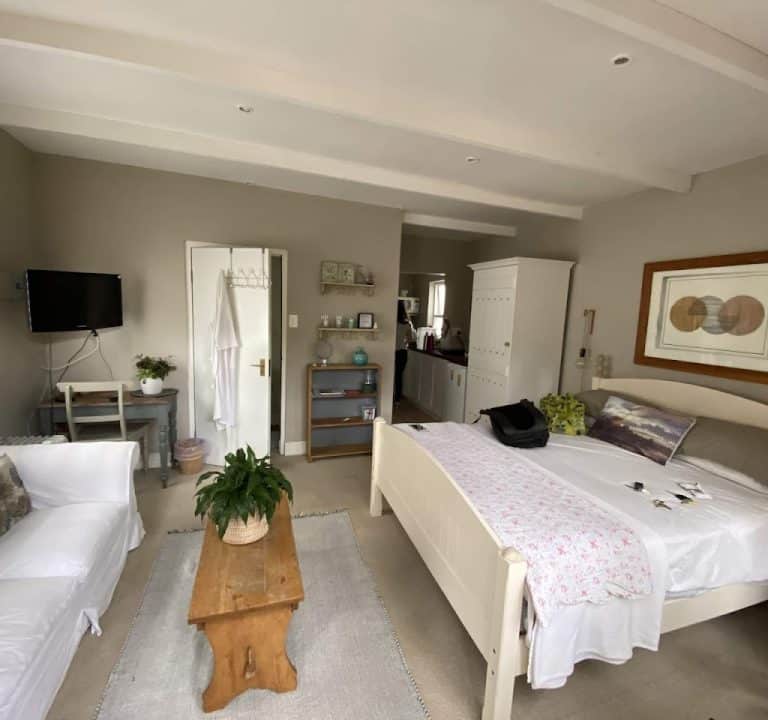
In the heart of the city, options range from stylish guest houses to well-appointed hotels that place you within easy reach of iconic sights. If you prefer a calm home-from-home atmosphere, a guest house such as Silwood Cottage can be a convenient base for exploring Cape Town’s central areas while enjoying personalised service. These properties often provide breakfast and helpful local tips, which can be particularly valuable for first-time visitors.
Neighbouring areas offer their own character. The Atlantic Seaboard – including neighbourhoods along the coast – is known for scenic drives, cliff-side views, and stylish eateries. The City Bowl and the Victoria & Alfred Waterfront area provide a compact hub of dining, museums and markets, with convenient access to world-class viewpoints. Constantia is famed for its wine estates and leafy scenery, ideal for a slower pace and day trips out to the Cape Peninsula. Camps Bay and nearby suburbs offer sandy beaches and a more relaxed, beachside vibe. Consider a mix of stays if you want both city buzz and coastal calm.
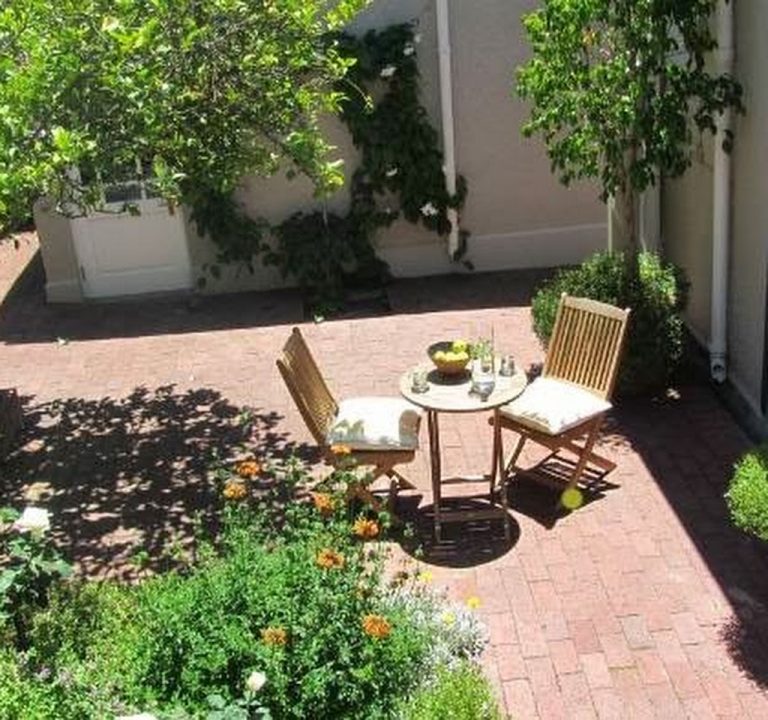
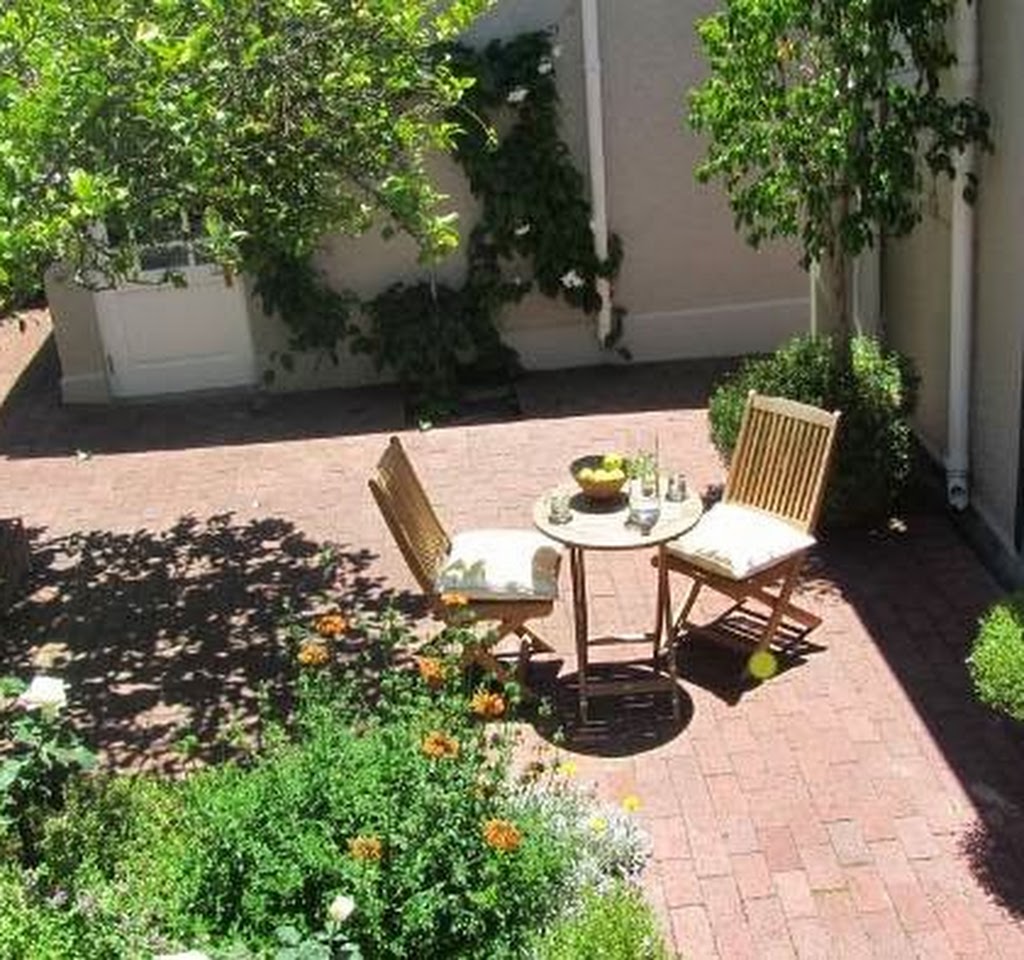
Typical amenities vary by property but often include a comfortable lounge area, quick access to wi‑fi, and a continental or full breakfast option. Many guest houses and hotels in Cape Town also provide on-site parking or easy street parking, in-room tea-and-coffee facilities, and daily housekeeping. If you’re visiting in peak season, look for properties with flexible cancellation policies and air-conditioned rooms, especially for summer months when sunshine can be strong. Privacy and personal touches—such as a dedicated guest entrance, a balcony with harbour or mountain views, or a quiet courtyard—often distinguish smaller guest houses from larger hotels.
Transport around Cape Town is straightforward but planning helps. The city benefits from a reliable MyCiTi bus network and private ride-hailing services. If you’re staying in the City Bowl or near the Waterfront, you’ll likely be within easy reach of many attractions on foot or by short taxi rides. For day trips to the Cape Winelands or the Cape Peninsula, you may wish to hire a car or book guided tours. Some accommodation includes shuttle services or has partnerships with local tour operators, which can simplify logistics for first-time visitors.
When to visit and how to plan your stay can influence what you choose to book. Cape Town enjoys mild winters (June to August) and warm summers (November to February). The shoulder seasons, in spring and autumn, often provide pleasant weather with fewer crowds, although weather can be changeable, so layering and flexible plans are wise. For scenic coastal walks, iconic viewpoints and outdoor activities, the best conditions tend to be spring and autumn. For city museums, markets and dining, Cape Town’s year-round appeal remains strong, with indoor options that are well-suited to cooler or windy days.
To make the most of your trip, consider discussing with your host or accommodation provider what to see and how to get around. A well-located base can shorten travel times to:
- The historic districts with cobbled streets and colourful buildings
- Scenic overlooks that offer sweeping views of the city and sea
- Museums, galleries and cultural centres that highlight the region’s heritage
- Restaurants offering a range of cuisines, from classic South African tavern-style meals to modern tasting menus
- Markets where you can sample local crafts and street food
Attractions and experiences can be enjoyed in many formats. Traditional sightseeing includes climbs up to well-known viewpoints, trips along the coastline, and visits to historical landmarks. For a broader sense of place, you might spend time exploring museums, theatres or educational venues, followed by relaxed evenings in neighbourhoods with garden cafés, wine bars or casual restaurants. The dining scene tends to be diverse, reflecting both local ingredients and international influences, with a focus on fresh, seasonal produce and seafood. When selecting restaurants, look for those that highlight South African flavours responsibly, and consider making reservations for popular venues, especially in peak periods.
Practical tips to help you plan smoothly:
- Choose accommodation based on proximity to your desired activities; a central base saves travel time if you plan multiple city explorations.
- Check transport options and whether the property offers parking or shuttle services to key sights.
- Look for flexible cancellation policies and clear housekeeping schedules, especially for longer or multi-location trips.
- Confirm essential amenities such as reliable wi‑fi, air conditioning or heating, and breakfast options if you rely on them.
- Pack layers and sun protection; even in cooler months, Cape Town’s sun can be strong near the coast.
For planning inspiration and official visitor information, you can visit Cape Town’s tourism resources and city guides for current events, neighbourhood highlights and practical travel tips. With thoughtful selection of where to stay and a flexible itinerary, you can enjoy a well-rounded stay that balances urban discovery with coastal relaxation in and around Cape Town.