Accommodation and Experiences in Cape Town, Western Cape
Cape Town offers a wide range of staying options, from intimate guest houses and boutique stays to stylish hotels and coastal lodges. When planning a visit, think about the pace you want: a lively city centre base with easy access to restaurants and nightlife, or a quieter neighbourhood with sea views and a more relaxed tempo. Central Cape Town, the Atlantic Seaboard, and the southern suburbs each have their own character, so choosing the right area can shape your entire trip.
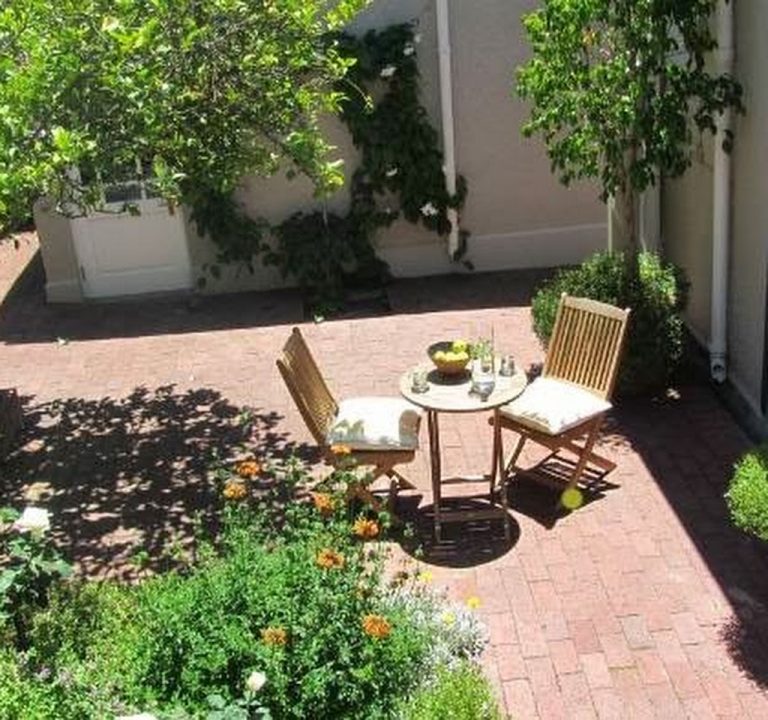
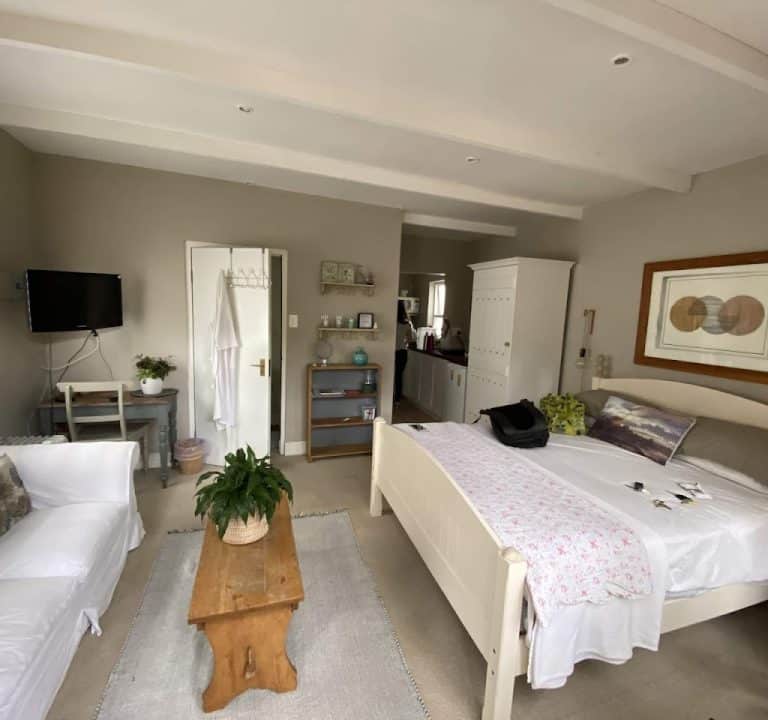
If you choose a guest house such as Two on Milner or similar boutique properties, you’ll often enjoy a personal touch, homely common areas, and tailored recommendations for local spots. Look for guest houses that clearly outline breakfast options, whether they offer self-catering facilities, parking arrangements, and access to public transport or reliable airport transfers. In Cape Town, reliable transport is essential due to the city’s geography—table mountain’s shadow often dictates routes, and traffic patterns can vary by time of day.
Areas to consider begin with the City Bowl for easy access to museums, theatres, and a vibrant dining scene. Green Point and the V&A Waterfront area are convenient for travellers who want scenic strolls along the harbour, views of the harbour bridge, and proximity to major sights. The Atlantic Seaboard, including Sea Point and Camps Bay, is renowned for coastal walks, promenades and sunset vistas. For wine enthusiasts, Constantia and the surrounding valleys offer a peaceful overnight base with easy day trips to wine estates and nature reserves.
Typical amenities to look for when booking include free Wi‑Fi, secure parking (if you’re driving), air conditioning or heating, and a good continental or cooked breakfast. For families or longer stays, self-catering facilities or kitchen access can be a real time-saver. Efficient and warm hospitality is often the hallmark of guest houses, with hosts who can provide maps, walking routes, and restaurant recommendations that align with your budget and interests.
Practical planning tips for travel and transport:
- Public transport in Cape Town includes buses and rail options, but a car or private transfer can offer greater flexibility for sightseeing beyond the city centre.
- Use reputable operators for airport transfers and day trips to the Cape Winelands, Cape Point, or the Cape Peninsula routes. Many guest houses can assist with vetted arrangements.
- Consider purchasing a local SIM card or portable Wi‑Fi to stay connected while you explore the city’s outdoor spaces and markets.
When deciding what to do, balance iconic sights with quieter experiences. Natural highlights include easy coastal walks with panoramic views, trails that start near the lower reaches of Table Mountain, and botanical parks that showcase the region’s unique flora. For cultural immersion, you’ll find galleries, craft markets, and neighbourhood eateries that reflect Cape Town’s diverse heritage. Restaurants range from casual bistros to refined dining rooms, often with a focus on fresh, locally sourced produce from the surrounding Cape countryside and coast. It’s common to find menus that celebrate seafood, Stellenbosch and Constantia wines, and seasonal produce.
For first‑time visitors, a well‑paced itinerary might include a sunrise ascent of Table Mountain or the easier Platteklip route, followed by a late-morning descent and a leisurely harbour-side lunch. Afternoon can be spent at coastal parks or the Constantia countryside, and evenings can be reserved for a curated dining experience or a stroll through a lively neighbourhood with boutique shops and a courtyard atmosphere. If you’re staying near the Victoria & Alfred Waterfront, you’ll find chances to join harbour tours, ferry rides, or sunset cruises that provide a different perspective on the city’s skyline and sea life.
Best time to visit Cape Town depends on your priorities. The city experiences a Mediterranean climate with dry summers and wet winters. Peak tourist season falls in the Southern Hemisphere’s summer months, when beaches and outdoor events are at their best, but shoulder seasons (spring and autumn) offer milder weather, fewer crowds, and often good value for accommodation. If you enjoy wildflowers, plan for late winter to spring, when fynbos in the surrounding nature reserves reaches its peak bloom. For whale watching, the coastal areas become particularly appealing during the winter and spring months when these gentle giants traverse the coastline.
Practical tips to keep in mind:
- Book accommodation with a clear cancellation policy and a flexible option if your plans may change. Cape Town’s weather and traffic can influence daily plans, so flexibility helps.
- Check distance to attractions you want to visit and consider a property that offers easy access to main transport routes or provides parking if you’re driving.
- Read reviews with a focus on cleanliness, safety, and the responsiveness of hosts or managers, especially if you’re staying in smaller guest houses.
- Pack layers to adapt to the city’s coastal breeze, and bring comfortable footwear for walks up the slopes around popular viewpoints and neighbourhoods.
- Explore beyond the well-trodden paths; Cape Town’s suburbs and neighbouring towns offer markets, eateries, and scenic drives that are rewarding without the crowds.
For inspiration and practical planning, consider visiting Cape Town’s official tourism resources, which can provide updated information on routes, seasonal activities, and transport options. Whether you stay in a cosy guest house like Two on Milner or in a contemporary hotel with sea views, Cape Town rewards travellers with its landscapes, cuisine, and a sense of discovery around every corner. For more information about Cape Town’s allure and planning tips, you can visit trusted local tourism sites and accommodation listings to tailor your stay to your interests.