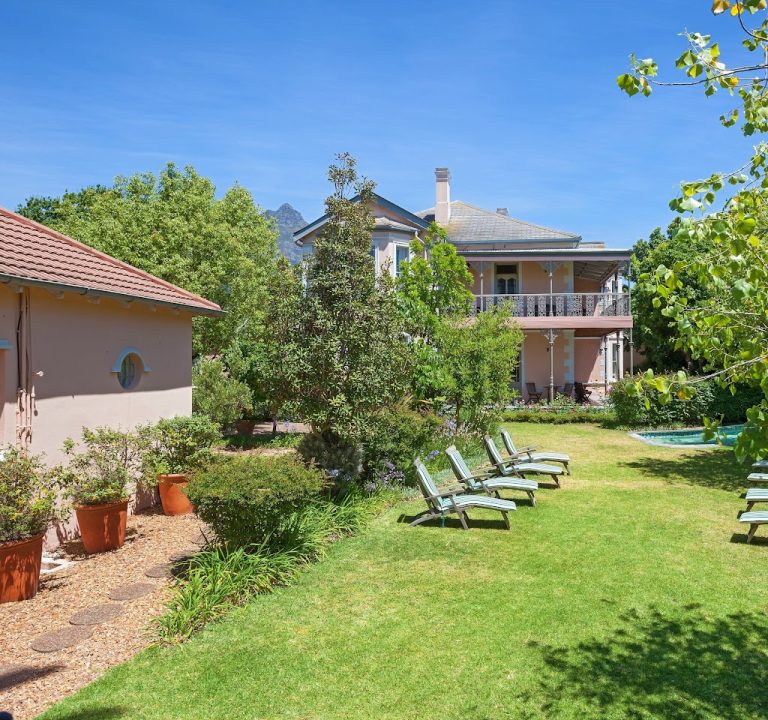
Cape Town: Accommodation and Experiences for a Memorable Stay
Cape Town blends natural beauty with a vibrant urban scene, making it ideal for a wide range of stays—from stylish self-catering apartments to cosy guesthouses and upscale hotels. When planning a visit, think about what you want to explore each day: sweeping coastal scenery, world-class cuisine, and easy access to nature and cultural highlights. Choosing the right neighbourhood and type of accommodation can make a big difference to your experience.
Popular areas to consider include the City Bowl and central Cape Town, where you’ll find handy access to museums, markets and the harbour. The Atlantic Seaboard, including areas such as Camps Bay and Bantry Bay, offers dramatic sea views and proximity to beaches and fine dining. Constantia and the southern suburbs are superb for wine-tasting, leafy walks and more relaxed days. If you’re after a scenic yet practical base for day-trips along the Cape Peninsula, a stay near Green Point or Sea Point can be convenient while still feeling relaxed.
When choosing accommodation, think about the amenities that will suit your plans. Self-catering options—such as apartments and holiday lets—are ideal if you enjoy cooking or want a home-from-home feel. Look for well-equipped kitchens, a comfortable living space, and reliable wi‑fi. For shorter breaks or a touch of pampering, boutique hotels and guesthouses can offer personalised service, breakfast options, spa facilities, or guest lounges. If you’re travelling with family or a group, a spacious apartment or a small villa with separate sleeping areas can provide better value and flexibility than multiple hotel rooms.
Transport is a key consideration in Cape Town. The MyCiTi bus network covers many routes, but you’ll still want a flexible option for exploring beaches, wine lands, and the Cape Peninsula. A rental car offers the greatest freedom for day-trips, especially to areas such as Constantia, the beaches along the Atlantic Seaboard, or Cape Point. If you plan to stay near the V&A Waterfront, you’ll find walkable access to harbour activities and easy links to tours. Some areas, particularly in peak season, benefit from secure parking or on-site facilities; check availability if you’ll be driving.
The best time to visit Cape Town hinges on what you want from your trip. Spring (September to November) brings wildflowers, moderate crowds and pleasant weather. Autumn (March to May) offers sunshine and cooler evenings, with fewer crowds at popular sights. Summer (December to February) is lively, with longer days and bustling beaches, but can be busy. Winter (June to August) is milder and quieter, though some attractions may have shorter hours. Regardless of season, it’s wise to plan informed itineraries and book in advance for accommodation, especially near major sights or during school holidays.
Practical tips for a smoother stay:
- Book accommodation with clear cancellation policies, and confirm access details for late arrival or self-check-in if you’re arriving outside normal hours.
- Ask for a kitchen essential kit if you’re self-catering, including basics such as tea and coffee provisions, utensils, and storage space for groceries.
- Consider a secure, well-lit neighbourhood with easy access to attractions you plan to visit. If you’ll be driving, check on-site parking or nearby options.
- Pack layers, as Cape Town’s coastal climate can be changeable. Bring a light rain jacket for autumn and spring trips, and sun protection for summer days on the coast.
- Take advantage of guided experiences and reputable operators for scenic drives, nature walks, and city tours, while staying mindful of safety tips and local etiquette.
For attractions and experiences, Cape Town offers a blend of natural wonders and cultural highlights. You can enjoy sweeping views from a cable car or hillside paths, explore historic sites and museums within the central district, and use a day to visit the Cape Peninsula’s dramatic coastline. On evenings, the dining scene ranges from casual eateries with regional flavours to refined venues offering contemporary cuisine. In general terms, you’ll find seafood fresh from the Atlantic, innovative uses of local ingredients, and vibrant markets that capture the city’s energy without needing to venture far from your base.
Family-friendly and wheelchair-accessible options are increasingly common, making it easier to tailor plans to individual needs. In the self-catering segment, look for properties that offer dedicated guest spaces, laundry facilities, and clear house rules that suit your group. A well-presented base can act as a comfortable home base after busy days of sightseeing and exploring the surrounding winelands or coastal routes.
As a practical example for your planning, consider a self-catering option such as Eleven Rhodes View—a project described as a self-catering accommodation option that combines convenience with local style. (If you wish to explore this or similar stays, you can visit the property’s page for more details.) For broader planning, browse reputable travel sites and official tourism resources to compare neighbourhoods, read recent guest reviews, and confirm what’s included in your rate. A well-chosen base, balanced with well-timed activities, will help you enjoy Cape Town’s diverse offers—from scenic beaches and imposing Table Mountain to intimate eateries and cultural discoveries.