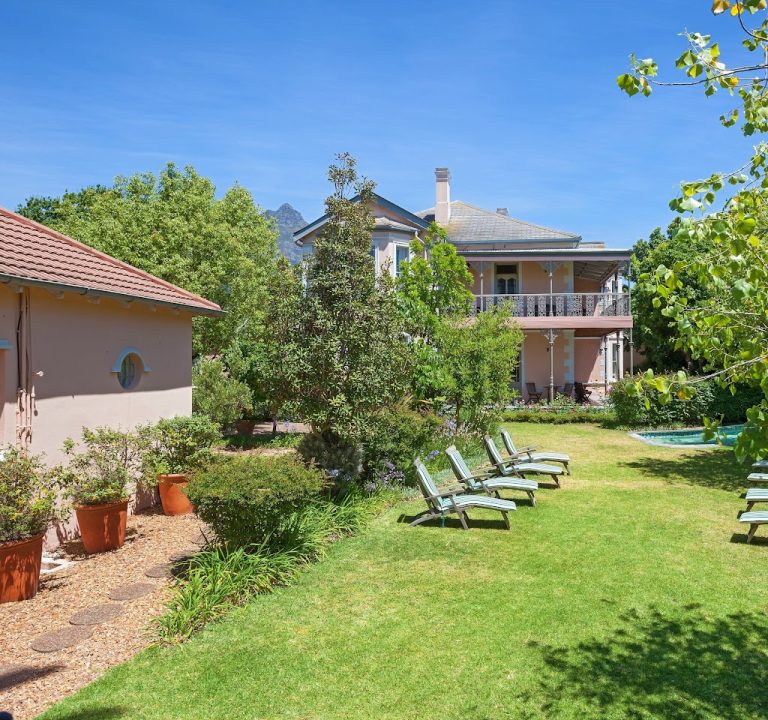
Accommodation, attractions and practical planning for a stay in Cape Town, Western Cape
Cape Town offers a rich mix of accommodation options to suit every traveller, from boutique guesthouses tucked away in quiet streets to stylish hotels perched with sweeping views of Table Mountain or the Atlantic seaboard. When planning a stay, it helps to consider the neighbourhoods that fit your interests, access to transport, and the pace you want to set for your trip. In general, most visitors start with a base in Areas such as the City Bowl, the Atlantic Seaboard, or the vibrant neighbourhoods around the national park and the Constantia valley, before venturing further afield to the Cape Winelands or the Cape Peninsula for day trips.
City centre and Table Mountain precincts are ideal for first-timers who want coffee shops, museums, and nightlife within easy reach. Here you’ll find excellent access to hop-on, hop-off bus routes, metro rail connections, and a compact street layout that makes walking feasible for many attractions. For a more relaxed pace and sweeping ocean views, the Atlantic Seaboard, including areas near Camps Bay and Clifton, is popular with guests seeking sunlit balconies, well-appointed rooms, and proximity to pristine beaches. If you crave tranquillity and green landscapes, the Constantia Valley offers leafy estates, wine-tasting estates, and serene guesthouses, often a short drive from Kirstenbosch National Botanical Garden. Park Road and nearby pockets in the City Bowl also provide convenient access to the central business district, cultural sites, and leafy residential streets suitable for leisurely strolls.
Typical amenities you can expect from well-rated accommodation in Cape Town include free Wi-Fi, a comfortable en-suite bathroom, and secure on-site parking. Many boutique properties offer breakfast either included or available as a light continental option, plus lounge areas with city or mountain views. A growing number of hotels and guesthouses provide facilities such as in-room kettles, work desks, and air conditioning to help you tailor your stay to your itinerary. For longer visits, self-catering apartments or suites can be a practical choice, especially if you plan to spend several days exploring local markets or returning from day trips with provisions from nearby shops.
When booking, consider a few practical points to ensure a smooth stay. Check the distance to the places you plan to visit most often, and whether the property partners with reliable local transport options or offers an on-site shuttle service. In city bases, look for properties with 24-hour reception or secure access, as this adds convenience if you arrive late or wish to depart early for a dawn excursion. If you prefer a quieter night, request rooms away from main streets or with soundproofing. Check whether the accommodation provides coffee or tea facilities, a hairdryer, and sufficient storage for bags, especially if you are staying for more than a few days. For those who value sustainability, look for properties with energy-saving features, recycling options, and water-conscious practices.
Getting around Cape Town is part of the experience. A well-connected public transport network exists, including buses and trains, but many visitors find rentals or organised tours the simplest way to see both city highlights and coastal sights. If you plan a Peninsula day trip, a car can give you flexibility, though roads can be busy in peak season. Some hotels and guesthouses arrange private tours or partner with reputable operators offering guided hikes, vineyard visits, or wildlife encounters along the coast and in the wine lands. For a more urban approach, explore on foot or by bicycle in safe, scenic areas, always keeping to well-lit streets in the evenings and using reputable services for longer transfers.
Best time to visit Cape Town depends on what you want from your trip. The late spring and summer months (roughly September to April) bring longer days and favourable conditions for outdoor activities such as hiking, coastal walks, and exploration along the Table Mountain Cableway or the beaches. Autumn and early winter (May to August) can be cooler and windier, but it is a pleasant period for wine tasting in surrounding regions and enjoying city cultural events. If you’re seeking the best sea conditions for swimming, December to February is typically ideal, while shoulder seasons offer quieter experiences and often more affordable rates. Packing-wise, layers are wise, with a sunhat and sunscreen for day trips and a light waterproof layer for changeable coastal weather.
Attractions and experiences in Cape Town span iconic natural scenery, cultural sites and vibrant dining. Natural highlights include viewpoints with panoramic harbour and mountain backdrops, accessible via well-marked trails and guided walks. Cultural experiences range from art studios and galleries to museums and markets that celebrate local crafts, food, and music. Dining in Cape Town is diverse, with many neighbourhoods offering casual eateries, seafood shacks by the shore, and more formal restaurants that emphasise fresh, local ingredients. When researching where to eat, consider reservations during peak periods, especially on weekends, and explore nearby food markets for seasonal specialities and street foods. For more inspiration, you can consult official tourism resources and local guides that highlight current exhibitions, seasonal events, and new openings across the city and its surrounds.
- When booking, verify cancellation policies and whether breakfast is included or offered as a paid extra.
- Consider staying in a walkable area to maximise your time exploring on foot, especially around the urban waterfront and city centre.
- Check accessibility options if you have mobility considerations, including elevator access and step-free routes to major attractions.
- Plan a mix of day trips and downtime to enjoy both the coastal scenery and tranquil estates in the region.
Whether you stay on a hillside guesthouse with Table Mountain as your backdrop or a seafront hotel along the Atlantic coast, Cape Town offers a well-rounded base for exploring a remarkable diversity of attractions, eateries, and day trips. For practical planning and current ideas, you can explore trusted travel resources and the official tourism site to tailor your stay to your interests and timing.