Cape Town: A guide to accommodation, attractions and practical planning
Cape Town offers a vibrant mix of historic neighbourhoods, world-class scenery and a wide range of places to stay, from boutique hotels to guesthouses and comfortable apartments. When planning a visit, it helps to think about what you want to experience first: rugged coastline, Table Mountain, good-value stays near the city centre, or calm garden settings in the southern suburbs. The city is well served by affordable domestic flights, ferries to Robben Island and a growing network of reliable public transport, alongside private transfers and car rental.
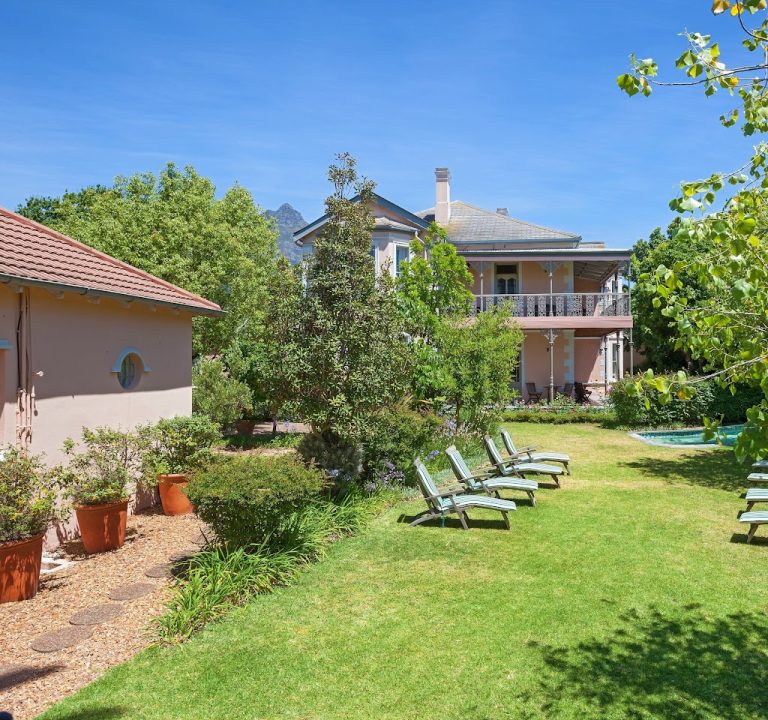
One standout option in the city’s lodging landscape is Banksia Boutique, a stylish base that frequently features in travellers’ itineraries for short breaks and business trips. It sits among a spectrum of hotels and guesthouses that emphasise convenience, character and ease of access to Cape Town’s diverse attractions. If you are browsing online, you can explore such properties through official hotel pages, travel platforms or reputable local guides. Always check recent guest reviews for tips on location, noise levels and staff helpfulness, and confirm the latest amenities before booking.
Areas to consider when planning where to stay
- City Bowl and the V&A Waterfront: walkable access to museums, markets, restaurant precincts and fine dining, with easy routes to Table Mountain Aerial Cableway and the City Sightseeing hop-on routes.
- Atlantic Seaboard (seaside towns such as Green Point, Sea Point, Camps Bay and Clifton): dramatic sea views, beach access and a more relaxed, resort-like atmosphere, ideal for coastal walks and sunset dinners.
- Constantia and Southern Suburbs: leafy, quieter neighbourhoods with boutique lodges, wine estates and easy access toConstantia Nek and other vineyard routes, popular for longer stays and family trips.
- Retreat and Southern Peninsula: pearly beaches and quieter residential streets, lovely for a restorative break or a longer drive along the coast to scenic viewpoints.
What to look for when booking
- Location relative to your plans: do you want proximity to the Table Mountain cableway, the city’s museums, or the oceanfront?
- Access to transport: consider properties with easy taxi access, reliable shuttle options or parking if you hire a car.
- Amenities and service: many hotels and guesthouses offer continental breakfasts, in-room tea and coffee facilities, free Wi-Fi, and secure parking. If you want a pool, on-site dining or a spa, filter choices accordingly.
- Room configuration and atmosphere: read room descriptions carefully for features such as en-suite bathrooms, natural light, noise levels, and street-facing versus garden-facing rooms.
- Guest reviews and safety: pay attention to cleanliness, security, staff attentiveness and clear information on cancellation policies.
Typical amenities you might expect
- Complimentary breakfast or continental options
- Free Wi-Fi with dependable reception in public and guest rooms
- Private or communal lounges, sometimes with coastal or mountain views
- On-site parking or easy access to public transport and rideshare services
- Outdoor spaces such as terraces or small gardens, ideal for breakfast or sunset views
Best time to visit and practical tips
Cape Town’s climate is generally Mediterranean, with warm summers (December to February) and mild, wet winters (June to August). The famed coastal winds can influence indoor activities, so plan your days to balance outdoor adventures with indoor options such as museums, galleries, or wine-tasting in Constantia. Shoulder seasons—March to May and September to November—often deliver pleasant weather, fewer crowds and better-value accommodation.
Practical planning tips for a smooth stay:
- Book in advance for peak periods such as school holidays and major events, especially if you want central accommodation or a particular style of boutique hotel.
- Consider a mix of stays: a city-centre base for easy access to museums, and a quieter coastal or leafy suburb for relaxation and longer day trips.
- Plan your days with a balance of mountain and sea activities, ensuring you have shaded or indoor options for hotter days or sudden weather changes.
- Reserve a place with secure parking if you plan to rent a car, and check access hours for any gated communities or private estates.
- Public transport is improving, but for flexibility and time efficiency, organised tours, private transfers or rideshares can be practical for popular sights.
- When dining, explore a range of venues—from casual cafés near the harbour to fine-dining restaurants with views of Table Mountain or the Atlantic coastline. You’ll find eateries offering modern South African menus, seafood specialities and traditional favourites.
Attractions and experiences in broad terms
Cape Town’s natural beauty is the backdrop to many activities: a cable car ride up Table Mountain; sightseeing by boat or on guided tours around the Cape Peninsula; and trips to the Cape Winelands where vineyards and gourmet meals feature prominently. In urban areas, galleries, craft markets and historic sites offer insight into the city’s diverse heritage and contemporary culture. Dining ranges from seafood-forward menus along the coast to innovative tasting menus in sophisticated urban settings. For those seeking something more active, coastal walks, hiking routes and nature reserves provide a variety of landscapes with opportunities to witness Cape Town’s unique flora and fauna.
Whether you prefer a boutique hotel with personalised service or a cosy guesthouse that puts you close to the action, Cape Town’s accommodation options are well geared to support a memorable stay. With advance planning, you can design a balanced itinerary that combines scenic splendour, cultural discovery and culinary exploration, all while enjoying the warmth and hospitality that the city offers.
For more about Banksia Boutique and similar options, visit the property page at its official site: Banksia Boutique.