Cape Town: Where to stay, how to plan, and what to explore
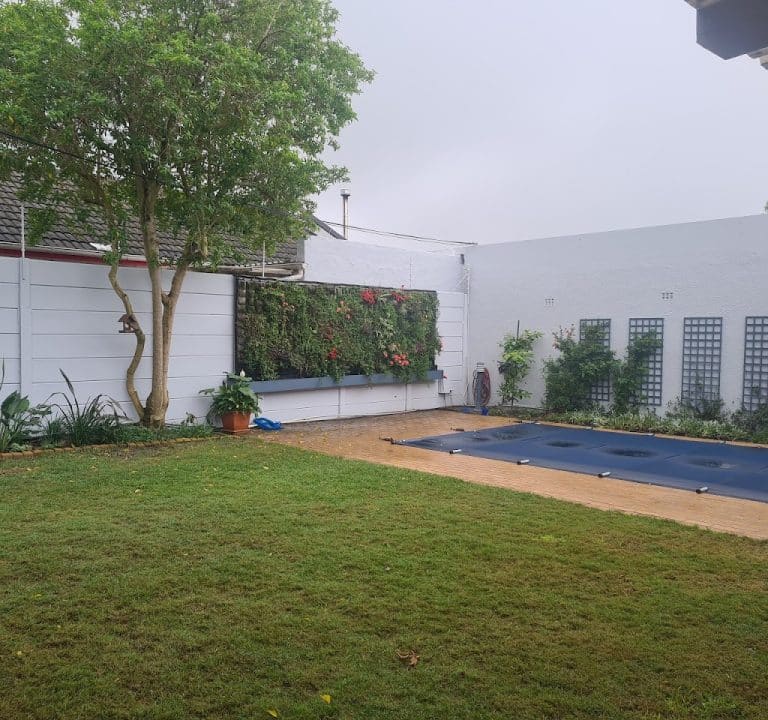
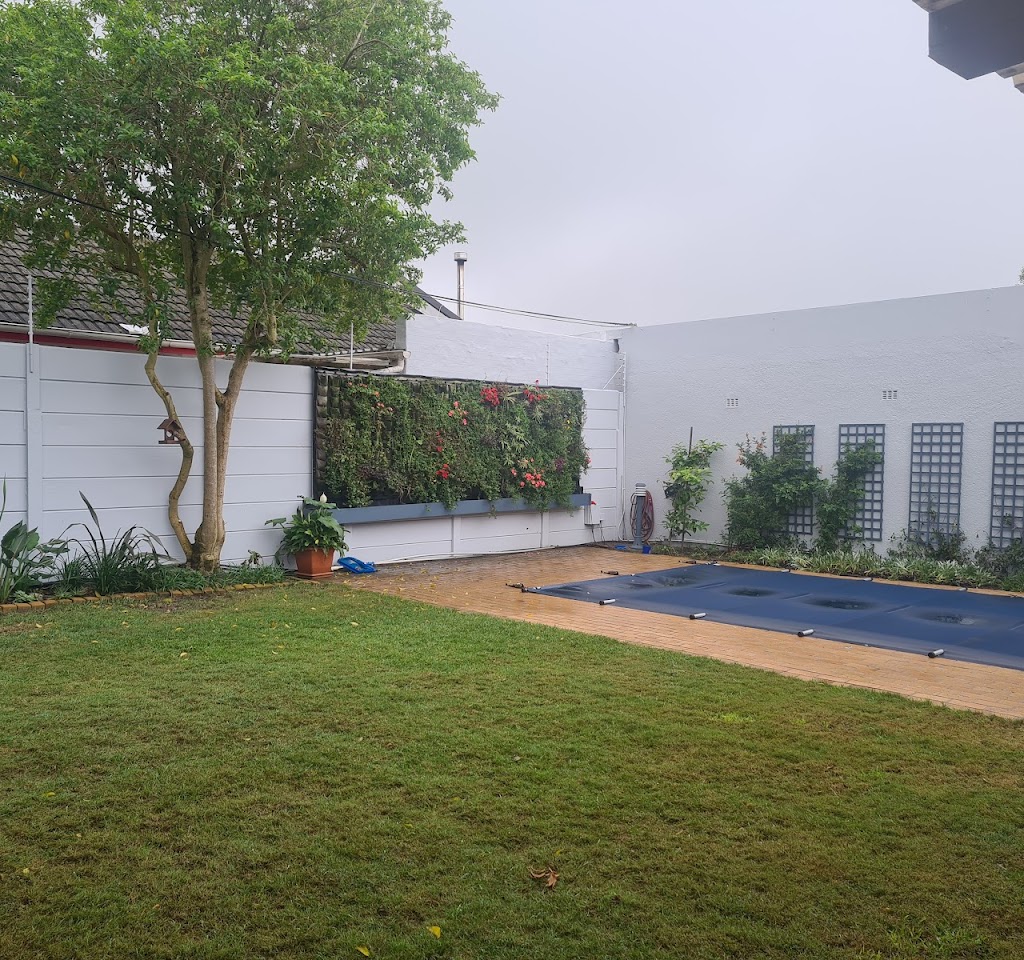
Cape Town, set between the Atlantic Ocean and the iconic Table Mountain, offers a rich mix of self-catering stays, guesthouses, boutique hotels, and lodges. For visitors seeking flexibility and a personal touch, self-catering options such as Lochnest can provide a comfortable home base with kitchen facilities, making it easier to tailor meals, pace, and daily plans around personal rhythms. When choosing accommodation, consider the neighbourhoods below and what you want from your time in the city.
City centre and the Village Bowl are practical if you want easy access to the city’s cultural venues, museums, markets, and a constellation of restaurants. This area is well served by public transport and rideshare apps, and you’ll often be near historic streets, scenic viewpoints, and vibrant night life. For a beach impromptu, look to Green Point or Sea Point, where many self-catering options provide a short walk to the promenade, parks, and hip cafés. If you’re after spectacular coastal scenery with a touch of glamour, Camps Bay and Clifton offer dramatic sea views and white-sand coves, though accommodation here tends to be pricier and quieter in the shoulder seasons.
Constantia, on the city’s southern slopes, is ideal for tranquil, leafy stays and easy access to wine estates. Woodstock and Observatory offer a more laid‑back, eclectic spirit with artisan shops, galleries, and street food options—great for travellers who want a neighbourhood feel rather than a hotel corridor. For a family-friendly or mid-range option with easy transit into central sights, the Atlantic Seaboard and northern suburbs provide a mix of modern flats, guesthouses, and small lodges with hillside or harbour views.
When booking, look for a few practical features that can significantly improve your stay. A well-equipped kitchen or kitchenette is essential for self-catering guests, offering the flexibility to prepare meals after long days of sightseeing. A comfortable living area, reliable Wi‑Fi, and adequate storage for luggage and beach gear are also helpful. If you plan to explore by car, check whether parking is included or nearby, and confirm access to lifts or stairs if you’re staying in higher-floor rooms. For those who prefer public transport, choose accommodation near bus routes, tram lines, or train stations. Cape Town’s MyCiTi bus network and the train service from central locations connect popular areas, but schedules can vary with season and weather.
Typical amenities to look for include heating and/or air conditioning, especially if you are travelling outside peak summer months. Laundry facilities, either in-suite or on-site, save time during longer stays. Cleanliness and quiet hours are worth confirming, as good housekeeping can greatly affect comfort after days spent outdoors or on the beach. A user-friendly guestbook or information folder with local tips—how to reach the nearest grocery store, cafe recommendations, and safe walking routes—can be invaluable for first-time visitors. If the property offers a private terrace or garden, you’ll have a pleasant space to unwind after sunset and perhaps enjoy a home-cooked meal with a view.
Peak season in Cape Town runs from late December to January, with milder conditions and long days in the southern hemisphere summer. The months of February to April can offer pleasant weather for outdoor activities and fewer crowds. Winter, from June to August, is cooler and rainier, but many attractions remain accessible and city life continues with reduced prices and opportunities to enjoy indoor experiences. Shoulder seasons often provide a good balance of comfortable weather, lower rates, and fewer queues at popular sights. If you plan a wine-touring day in Constantia or nearby Stellenbosch, allocate a full day for travel, tastings, and meals, and book experiences in advance where possible.
Travelling around Cape Town is straightforward, but a little planning helps. If you’re based in a central area, you can walk to markets, shops, and waterfront attractions, while a compact rental car provides flexibility for day trips to Cape Point, the Cape Winelands, or coastal viewpoints. For those relying on public transport, check timetable updates and service advisories, particularly during peak holiday periods or periods of maintenance work. Secure and practical luggage storage can be a boon if you have late departures or early check-ins, allowing you to explore the city without dragging bags around.
Attractions and experiences to consider, in general terms, include Table Mountain’s cableway, which offers panoramic views of the city and coast on clear days; peninsula trips to the Cape of Good Hope and Cape Point; and the nearby nature reserves and botanical gardens, which showcase South Africa’s remarkable biodiversity. Robben Island, historically significant and accessible by ferry, is best reserved with advance booking. For visitors who enjoy fresh flavours and diverse dining, Cape Town’s neighbourhoods offer casual eateries, waterfront dining, and cosmopolitan bistros with menus inspired by the region’s coastal ingredients and multicultural heritage. You’ll find markets and street-food stalls where local produce and seafood can be sampled in relaxed settings, often with live music and a friendly atmosphere.
- Choose accommodation with flexible cancellation terms where possible, especially for peak travel periods.
- Consider a mix of days in central areas and quieter neighbourhoods to balance city touring with restful downtime.
- Plan at least one full day for a coastal drive along the Atlantic Seaboard or a scenic mountain hike on Table Mountain or surrounding ranges.
- Book ferries or cableway tickets in advance for popular attractions during busy periods.
Ultimately, Cape Town rewards travellers who combine a well-located, comfortable base with a curious itinerary. By prioritising the neighbourhood that fits your pace, checking essential amenities, and planning transport and experiences ahead, you can enjoy a relaxing stay with the freedom that self-catering options provide. For more inspiration and official resources, consider exploring the city’s tourism pages and trusted travel guides before you arrive.