Johannesburg: A Practical Guide to Accommodation, Attractions and Local Flavours
Johannesburg, the vibrant heart of Gauteng, offers a diverse range of places to stay and a constellation of experiences that suit every traveller. From boutique guest houses to contemporary hotels and characterful lodges, the city’s neighbourhoods each bring a distinct flavour. When planning a stay, think about what you want to access easily, whether it is business districts, cultural precincts, or the city’s storied nightlife and foodie scene.
Areas to consider include Sandton, the finance and shopping hub with modern high-rise hotels; Rosebank, known for markets, museums and a more relaxed vibe; and Braamfontein or Maboneng, which are popular with visitors seeking street art, creative venues and lively dining. For a balance of quieter nights and easy daytime access, Newtown and Johannesburg Central offer conscience-keeping transport links and a grounded city experience. If you prefer a more residential feel with easy access to parks and green spaces, consider areas around Melville or Linden. When selecting accommodation, aim for a property with clear transport access, good security, and friendly support from hosts or on-site staff.
Typical amenities in Johannesburg accommodation range from reliable Wi‑Fi and air conditioning to secure parking, in-room desks, and breakfast options. Boutique guest houses and smaller hotels often emphasise a personalised touch, with hosts who can offer practical tips on city routes, safe neighbourhoods, and local dining recommendations. For longer stays, look for self-catering facilities or kitchen access, on-site laundry, and lounge or communal spaces to relax after a day spent exploring the city.
Transport is a practical consideration. The Gautrain and reliable rideshare apps make it feasible to move between the airport, Sandton, and central areas quickly. If you are staying in central Johannesburg, you’ll find walking and short rides to major sights workable, but in many areas it’s wise to budget for safe, predictable transport after dark. Assess whether your accommodation offers shuttle services or airport transfers, and check nearby public transport links, especially if you plan to visit multiple districts in one stay.
Best time to visit Johannesburg tends to be during the drier, milder shoulder seasons. Autumn (March to May) and spring (September to November) often offer pleasant daytime temperatures and comfortable conditions for outdoor activities. The summer months bring occasional thundery showers but lush city parks and outdoor cafés come alive, while winter is cooler and can be ideal for urban culture days when you want to focus on museums and indoor attractions.
When it comes to planning activities, Johannesburg’s appeal lies as much in its cultural and historical layers as in its modern conveniences. Expect dynamic art galleries, markets, gardens, and a range of tours that may focus on milestones in the city’s past, contemporary design, or foodie heritage. You can structure a stay around a blend of museum outings, strolling through vibrant precincts filled with cafés and boutiques, and sampling varied dining experiences that showcase local and international influences. Do allocate time for a guided neighbourhood walk to understand how the city’s layout and communities have evolved.
Restaurants in Johannesburg cover a wide spectrum, from casual cafés to refined eateries. High-quality, relaxed dining venues frequently pair a sense of place with contemporary twists, emphasising seasonal ingredients and regional flavours. In planning meals, consider trying a few transitional meals in mixed-use precincts, where a lighter lunch can be followed by an evening tasting menu or a casual bistro experience. If you enjoy markets, you’ll find weekend markets that pair meals with handmade goods, which makes for a relaxed, social way to spend an afternoon.
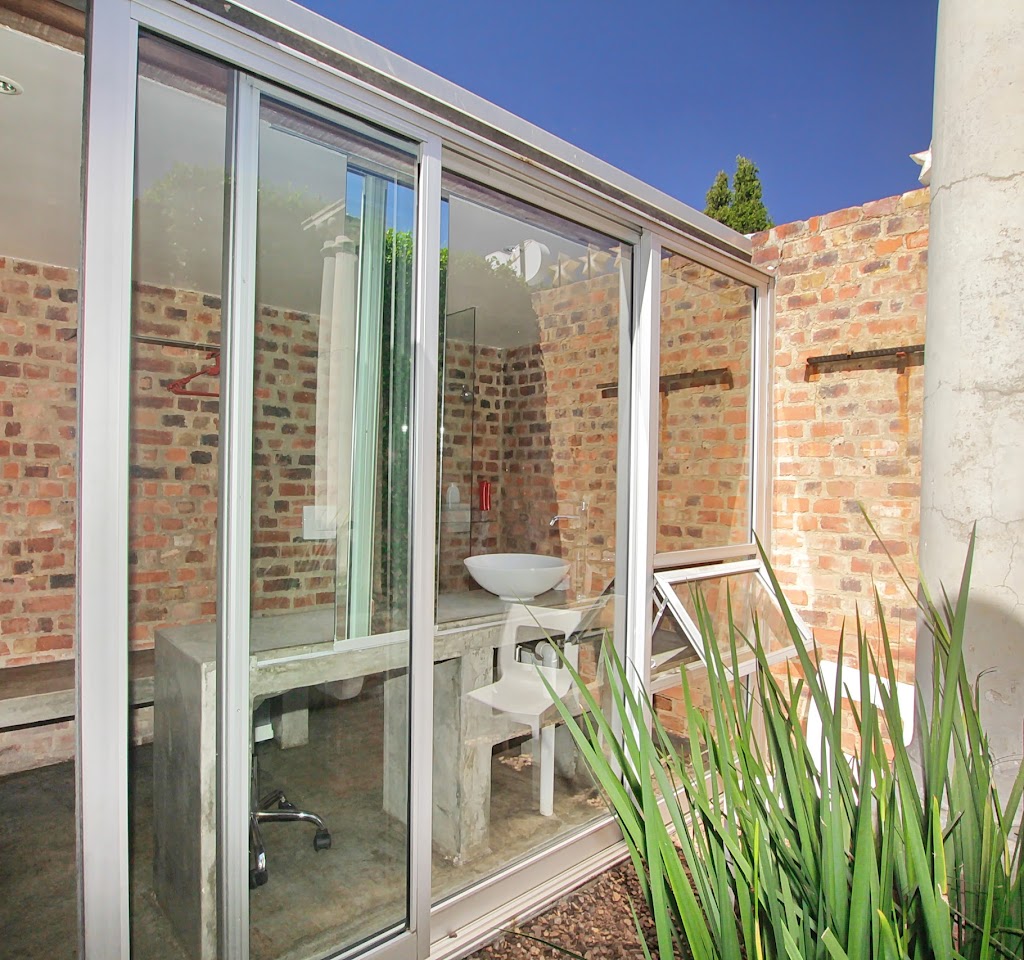
Accommodation options such as guest houses or smaller boutique hotels can offer a home-from-home feel, with hosts who are often delighted to tailor recommendations to your interests—whether you’re seeking a city-focused itinerary, a cultural deep dive, or a family-friendly pace. Budget-conscious travellers may find good value in well-appointed guest houses or guest-friendly lodges within secure, well‑connected areas. For a memorable stay, you might opt for a property that combines stylish interiors with thoughtful touches like locally sourced breakfast options or curated city guides prepared by the hosts.
Practical planning tips:
- Read guest reviews focusing on cleanliness, location, and the responsiveness of the host or management.
- Check the exact neighbourhood on a map to ensure proximity to the sights you plan to visit and to assess safety considerations for evenings.
- Look for clear cancellation policies and transparent house rules.
- Confirm what is included in the price (breakfast, parking, daily cleaning) and whether there are additional charges for extra guests.
- Verify accessibility details if you have mobility needs or require specific facilities.
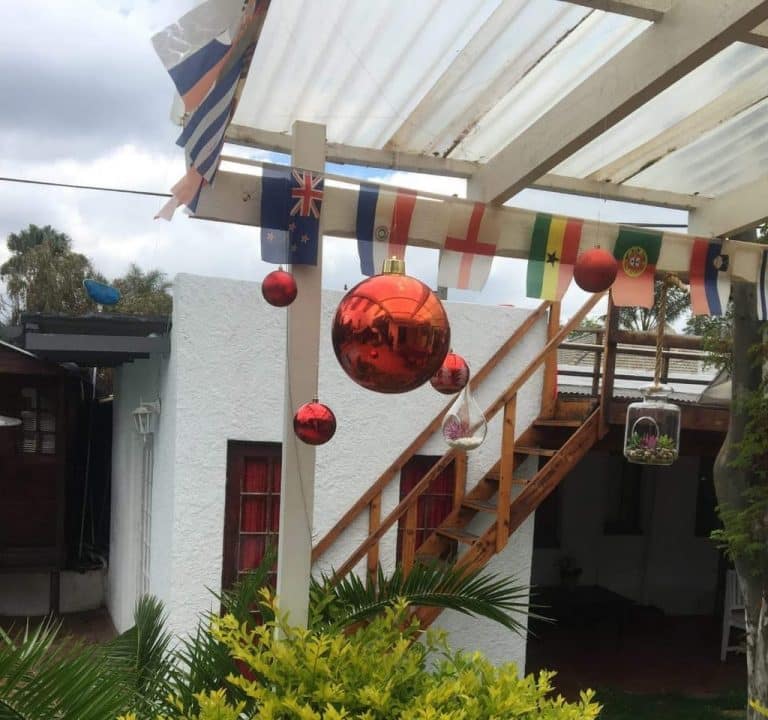
For a concrete example of local accommodation with an inviting guest-house experience, you can explore options such as Motel Mi Pi CHi, a guest house that offers a homely stay within Gauteng. Their official site provides insights into the property, location, and the kind of stay you might expect: Motel Mi Pi CHi. While planning, it’s useful to compare several properties in your target neighbourhoods, keeping in mind how each option aligns with your pace, interests and travel dates.
In short, Johannesburg rewards travellers who approach it with curiosity and practical planning. By choosing the right neighbourhood, confirming essential amenities, and pairing your stay with well-timed activities and dining, you can enjoy a comfortable, engaging and safe city break or business trip.
- Useful amenities to prioritise: reliable Wi‑Fi, secure parking, breakfast options, self-catering facilities, 24-hour reception or responsive host support