Accommodation and things to do in Johannesburg, Gauteng
Johannesburg, a vibrant gateway to Gauteng, offers a diverse range of places to stay and a wealth of experiences for curious travellers. When planning a stay, think about the neighbourhoods that best suit your interests, the amenities you value, and how you’ll get around the city. From cosy guesthouses to stylish boutique hotels and family‑friendly lodges, there are options to fit most budgets and itineraries.
Areas to consider for accommodation include central and northern districts, where easy transit links and a wide choice of dining, culture and nightlife are on your doorstep. The northern suburbs–such as Sandton and Rosebank–are known for modern hotels, shopping hubs and convenient access to the Gautrain for day trips. In the city centre and the neighbouring areas of Braamfontein and Maboneng, travellers often seek stylish, compact stays close to galleries, markets and vibrant street life. For a quieter stay with leafy streets and relaxed venues, a guesthouse or small lodge in suburbs a little further from the centre can be appealing. If you plan to explore nature or longer day trips, staying in or around colourful townships and historical sites can also add depth to your visit, with careful planning and guided experiences available through reputable operators.
When choosing a place to stay, look for a clear description of the rooms and facilities. Typical amenities to expect include en‑suite bathrooms, reliable hot water, air conditioning or fans, secure parking or convenient transport access, and complimentary Wi‑Fi. Some properties offer self‑ catering kitchens or shared kitchen spaces, which can be helpful for longer trips. Arobe or continental breakfast options, on‑site or nearby dining, and access to leisure spaces such as lounges or terraces can also influence the overall value of your stay. If you’re travelling with family or a group, check the room configuration (for example, family suites or interconnecting rooms) and whether there are child‑friendly amenities or safety features for street‑side locations.
Practical planning tips to help make your Johannesburg stay comfortable include how you’ll move around. The city has a reliable rail link known as the Gautrain, which connects Pretoria, Johannesburg and the airport with quick, efficient service. In the city, ridesharing apps, reputable taxi services and hotel shuttles are common transportation options. If you’re hiring a car, ensure your accommodation has secure parking and note street parking rules in different neighbourhoods. For those who prefer to walk, select areas with well‑lit streets, pedestrian pathways, and a sense of safety, and consider guided evening tours or curated experiences to enhance your evening hours.
Best time to visit Johannesburg varies with your plans. The city experiences a tropical‑subtropical climate with a distinct wet season in the summer. The drier winter months feel cooler but are typically sunnier and more comfortable for sightseeing and outdoor activities. If you enjoy outdoor markets, street art tours, and open museums, plan for daylight hours and consider indoor alternatives or late‑afternoon activities during hotter days. Rain showers can appear quickly, so having flexible plans and indoor options is wise.
What to do and see, in broad terms, ranges from museum and gallery visits to urban parks, markets and historic sites. In and around the city, you’ll find opportunities to learn about the country’s history, sample local cuisine, and discover contemporary art and design. When planning visits to attractions, book in advance where possible and confirm opening times, especially around holidays or weekends. Guided tours, cultural experiences and protected sites may require advance arrangements, though many city attractions offer informative self‑guided options as well.
Food and drink in Johannesburg showcase a mix of traditional influences and modern cuisines. You’ll find bustling markets, cafés, casual eateries and fine‑ dining options across different neighbourhoods. While specific restaurant names and prices should be checked at the time of booking, you can expect diverse menus, from hearty South African favourites to international dishes, with an emphasis on fresh produce and seasonal specials. For a comfortable and authentic stay, pairing an indoor lodging experience with easy access to neighbourhood eateries can be particularly convenient.
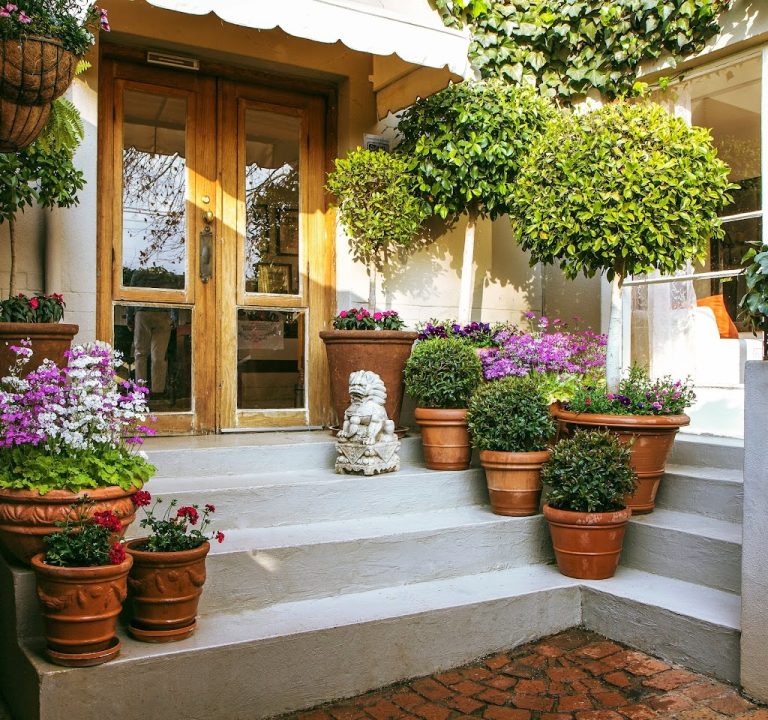
One example of indoor lodging in Johannesburg is Akuwaiseni Guest House, a cosy option that represents the city’s range of intimate stays. Such properties can offer personal atmosphere, useful local tips, and a convenient base from which to explore nearby attractions, markets and cafés. When considering any accommodation, think about the balance between location, comfort, and a sense of place, ensuring the stay supports your itinerary whether you’re reserving one night or a longer break.
- Prioritise locations with reliable transport access (rail links, airport proximity, and safe walking routes).
- Check room configurations for groups or families and understand what amenities are included in your rate.
- Plan with a mix of indoor and outdoor activities to stay flexible during varying weather.
- Book popular attractions and dining options in advance where possible to avoid disappointment.
Johannesburg is a city of contrasts, where a well‑chosen stay can unlock a rich array of experiences—from exploring museums and markets to enjoying contemporary eateries and vibrant neighbourhood life. With thoughtful planning about where to stay, how to move, and what to do, your Gauteng visit can be comfortable, enriching and memorable.