Planning a Stay in Johannesburg: Where to Stay, What to Expect, and How to Make the Most of Your Visit
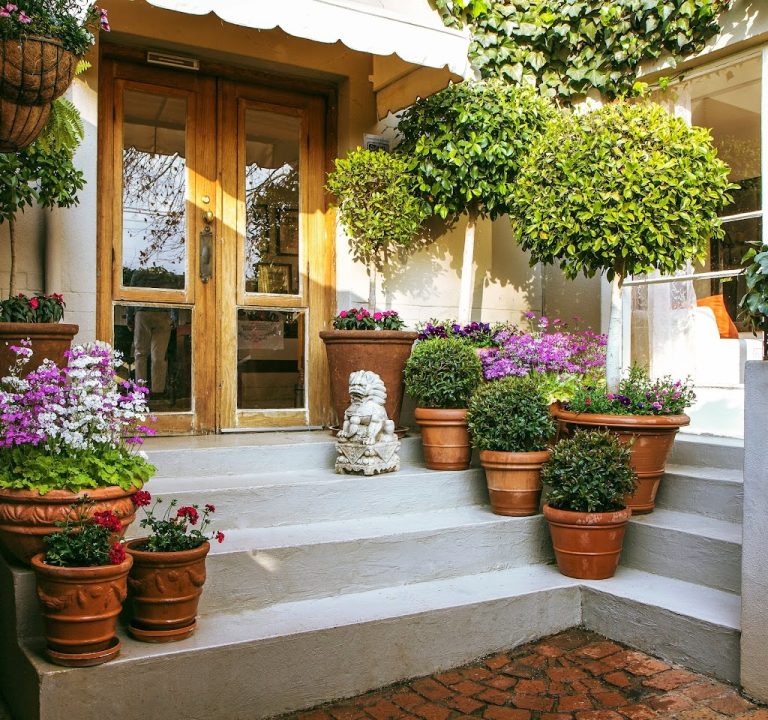
Johannesburg, or Jo’burg, is a sprawling metropolis that blends urban energy with rich history and diverse neighbourhoods. When choosing accommodation, visitors can select from boutique guest houses, modern hotels, and guest-friendly neighbourhoods that offer easy access to the city’s attractions, dining, and cultural experiences. Among the welcoming options is the House of Melville, a guest house that embodies thoughtful hospitality in a central setting, ideal for travellers seeking character and comfort.
Areas to consider for your stay. The city is large, and different districts offer distinct atmospheres and conveniences:
- Central business district (CBD) and the northern suburbs provide easy access to museums, markets, galleries, and a variety of dining options, often with shorter travel times to business hubs.
- Melville and Linden are popular for a bohemian, village-like feel with trendy cafés, casual eateries, and a lively evening scene, while still being within reasonable reach of downtown.
- Sandton and Rosebank are well suited to visitors seeking upscale stays, shopping, and well-developed transport links, including easy access to the Gautrain for day trips or connections to other parts of Gauteng.
- Neighbourhoods near parks and green spaces offer a calmer stay with green views, suitable for travellers looking to balance urban exploration with outdoor time.
What to look for when booking. In Johannesburg, practical factors often shape a comfortable stay as much as the building’s charm:
- Proximity to reliable transport links or major thoroughfares, especially if you plan to self-drive or rely on ride-hailing services.
- Safety features and secure parking options if you are renting a car, as well as accessible entrances and well-lit common areas.
- Guest-friendly amenities such as secure Wi‑Fi, a well-equipped kitchenette or breakfast service, on-site parking, and helpful staff who can share local tips and directions.
- An ambience that matches your plans—whether you want a tranquil base after long museum days or a lively spot close to nightlife and eateries.
- Flexibility in breakfast options and thoughtful extras like laundry facilities or courtyards for a relaxed afternoon.
Typical amenities you might expect. Johannesburg accommodations span a wide range, but several features come up frequently in guest houses and boutique hotels:
- Well-appointed rooms with private or en-suite bathrooms, quality bedding, and climate control.
- Common areas such as a lounge, dining room, or terrace where guests can mingle or relax.
- Secure parking or easy access to public transit; some properties may offer shuttle services by arrangement.
- Daily housekeeping, on-site staff, and clear, helpful information about local sights, transport options, and safety tips.
- Access to kitchen facilities, coffee/tea provisions, and sometimes a curated breakfast or light meals.
Transport and getting around. Johannesburg requires some planning to move efficiently between sights. The city has a mix of Uber/Lyft-style services, numerous taxi operators, and rail links that connect several suburbs. Relying on a combination of rideshares and pre-booked transfers is common for visitors. If you are staying near well-connected hubs, you can minimise travel times by using main roads and major arterials. For longer trips or day trips, consider guided experiences or organised transfers that provide local knowledge and safety considerations.
Best time to visit and planning considerations. The climate in Gauteng is generally mild, with hot summers and cooler winters. The dry season often brings clearer days for outdoor activities, but indoor experiences such as markets, galleries, and museums are appealing year-round. When planning a stay, consider aligning your visit with any major cultural events, markets, or exhibitions that may influence crowd levels and accommodation availability. Booking in advance for peak periods—such as school holidays and public holidays—can help ensure you find a stay that matches your preferences and budget.
What to do and where to eat, in general terms. Johannesburg offers a wealth of experiences beyond its urban skyline. For culture and history, look for museums and heritage sites that provide context to South Africa’s past and present. Markets and neighbourhood eateries offer a flavourful glimpse into daily life, and there are cafes and restaurants across the city that cater to a range of tastes, from traditional-style meals to contemporary cuisine. If you enjoy a lively dining scene, you’ll find plenty of venues that showcase local produce and international influences in a casual, friendly setting.
Practical tips to help you during your stay:
- Book accommodation with clear information about security, access, and parking. Ask about management contact details and any local safety tips relevant to your area.
- Check the proximity to your planned activities and consider a central base to minimise long travel times between sights.
- Pack adaptable clothing for varying weather and plan indoor activities for rainy days or cooler evenings.
- Stay aware of transport options, especially if travelling at night; plan routes and keep keys or important documents secure.
- Respect local customs and support small businesses by trying nearby cafés and neighbourhood eateries recommended by your host or property staff.
In summary, Johannesburg offers a range of accommodation choices that suit different budgets and travel styles, with areas that cater to both quiet retreat and easy access to the city’s vibrant life. Whether you opt for a characterful guest house such as the House of Melville or another well-located option, a well-planned stay that balances rest, exploration, and good dining can make your visit to Gauteng both convenient and memorable.