Johannesburg stay and exploring Gauteng: where to base your trip, what to see, and practical tips
Johannesburg, often simply called Jo’burg or Jozi, is a vibrant gateway to Gauteng’s diverse experiences. A stay here can mix stylish city living with insightful heritage sites, foodie neighbourhoods and convenient access to natural wonders. When planning where to stay, think about your daily plans, safety considerations and how you’ll move around the city. A well-chosen base can save time and enhance every day of your trip.
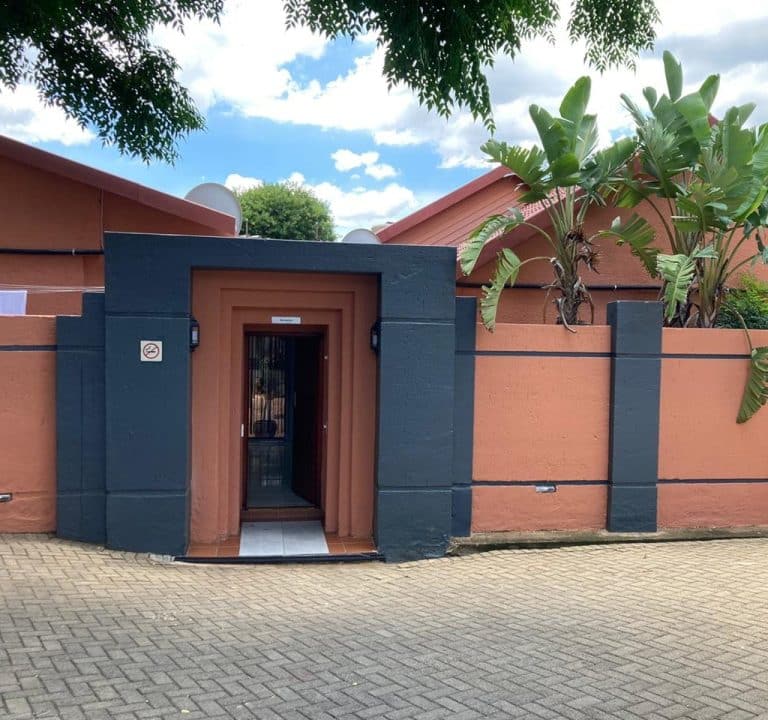
Accommodation in Johannesburg ranges from intimate guest houses and boutique BnBs to modern hotels and self‑catering apartments. A notable example is a guest house such as Ginnegaap, which typically emphasises personal service, a homely atmosphere and a central location within reach of several neighbourhoods. It’s worth prioritising options that blend comfort with easy access to public transport or reliable parking, especially if you plan to explore beyond the central sights.
Areas to consider include:
- Sandton: the financial hub with luxury hotels, upmarket dining and excellent transport links to the airport and central Jo’burg.
- Rosebank: a well‑connected, walkable area with shops, markets and easy access to the Gautrain station for quick trips to the city centre or Pretoria.
- Braamfontein and Newtown: lively, centrally located districts close to theatres, galleries and a range of dining options, ideal for those who want a foodie and culture‑driven stay.
- Maboneng Precinct: an artsy, rejuvenated district known for markets, street art and chic eateries, popular with visitors who enjoy a creative atmosphere.
- Soweto (south of the city): for those seeking a deeply rooted cultural experience and guided tours that highlight South Africa’s history and resilience.
When you book, look for practical features that matter on a Johannesburg stay. Ensure the listing clearly states security measures and neighbourhood safety, on‑site parking or secure alternatives, fast and reliable Wi‑Fi, and whether breakfast is included or available nearby. Check room configurations if you’re travelling with family or a group, and confirm accessibility needs if relevant. A well‑placed base should offer easy access to public transport options such as the Gautrain stations in Rosebank or Sandton, and convenient distances to the city centre, Parktown, and OR Tambo International Airport.
Transport and getting around are central planning considerations. Johannesburg is large, and travel times can vary with traffic. The Gautrain provides a quick link to Sandton, Rosebank and Pretoria, making day trips feasible. Uber, Bolt and traditional taxis are widely used, while some guest houses and hotels offer shuttle services or partnering hotel transport. If you prefer to explore at your own pace, pick a property with parking or easy access to commuter routes leading to key sights such as the city centre’s historic districts, museums, and theatre venues.
Typical amenities to expect include comfortable beds with quality linens, a private or en‑suite bathroom, a well‑equipped kitchenette or tea and coffee facilities, and air conditioning or heating, depending on the season. A guest house may emphasise a calmer, more personalised feel, with common spaces such as a sun terrace, a garden or a small lounge where you can mingle with other travellers. In winter, a cosy lounge and a warm breakfast service can be a real advantage; in summer, access to outdoor space and shade becomes more important.
When is the best time to visit? Johannesburg enjoys a mild, sunny winter (May to August) and a warm, sometimes thundery summer (October to March). The dry winter season often brings clearer skies, great for city sightseeing and outdoor markets. If you intend to combine historical tours with nature trips, plan a balance that matches the seasonal weather, as afternoon storms in the warmer months can affect outdoor itineraries.
Things to see and do, in broad terms, include a mix of museums, markets, and green spaces. You can expect significant heritage sites that tell the story of South Africa’s complex past, paired with modern galleries, live music venues and varied dining scenes. In addition, day trips to natural areas such as nearby reserves or geological or fossil sites can complement a city stay neatly. When planning activities, factor in travel times between districts, as some experiences maximise their impact when paired with related neighbourhood explorations.
Practical tips for a smooth stay:
- Book with a business‑oriented or guest‑house style property if you prefer personal service and included meals or curated local tips.
- Choose a neighbourhood that fits your daily plan—shorter commutes if you want to stay mostly in one area, or a central location if you plan to hop between museums, theatres and markets.
- Confirm transport options in advance and keep a printed map or offline navigation handy, as mobile signal can vary in some areas.
- Pack layered clothing for temperature shifts between morning and late afternoon, especially if visiting in shoulder seasons.
- Respect local safety guidance and be mindful of street‑level security, especially after dark in certain districts.
For planning inspiration and practical tips, official visitor resources offer overviews of neighbourhood highlights, dining districts and cultural experiences. A well‑chosen stay in Johannesburg can be the best launchpad for a broader Gauteng itinerary, making your moments in Jo’burg both comfortable and memorable.