Johannesburg: Where to stay, what to do and how to plan a memorable visit
Johannesburg, Gauteng, is a vibrant gateway to South Africa’s rich history, culture and natural landscapes. When planning a stay, choosing the right neighbourhood and accommodation can shape your experience as much as the attractions themselves. The city offers everything from intimate guest houses to stylish boutique hotels, many with easy access to major transport links and a robust dining scene.
Accommodation in Johannesburg ranges from tucked-away guest houses in leafy suburbs to contemporary hotels near business districts and cultural precincts. If you’re seeking a bed and breakfast atmosphere with personalised service, consider guest houses in well-connected areas such as Rosebank, Braamfontein and Sandton. For those who prefer a more urban, artsy vibe, spots in Maboneng Precinct or surrounding inner-city pockets can provide easy access to galleries, markets and trendy eateries. The key is to balance comfort, security and proximity to the activities you’re planning.
When evaluating options, look for the following typical amenities and services. Reliable Wi‑Fi, secure parking or easy access to safe transport, in-house or nearby dining options, and clear information about breakfast offerings. A few guest houses provide personalised tours or local insights, which can be invaluable for first-time visitors. If you’re travelling by car, verify parking arrangements and access times. For business trips, check workspace facilities and late check-in options. For families, enquire about child-friendly spaces, extra beds or cribs, and nearby parks or attractions.
Practical planning tips can smooth your stay. Consider how you’ll get around: Johannesburg has a public transport network that includes the Gautrain rapid rail link to Pretoria and the OR Tambo International Airport, as well as local buses and ride-hailing services. In the city, rideshares and reputable taxi services are common, but it’s wise to confirm the best option for your route and time of day. If you’re driving, map out safe, well-lit routes from your accommodation to major sights and avoid peak traffic periods. For longer visits, a car provides flexibility to explore beyond the city core, while shorter stays are often well served by walking or short rides to nearby neighbourhood attractions.
Best time to visit Johannesburg varies with the seasons. The city experiences a temperate climate with warm summers and cooler winters. If you’re aiming to combine outdoor activities with city sightseeing, consider spring or autumn when temperatures are comfortable and rainfall is moderate. Summer can be lively with outdoor events and blossoms, but occasional showers can occur. Winter brings cooler evenings, so pack a versatile wardrobe and layers. Keep in mind that many attractions operate year-round, with some seasonal performances, markets and food events depending on the time of year.
When it comes to local experiences, you’ll find a mix of history, culture, cuisine and nature within easy reach. You can explore reminders of South Africa’s past and its contemporary arts scene in museums, markets and galleries. Food in Johannesburg reflects a diverse city, with restaurants and eateries offering everything from classic South African dishes to modern fusion fare. Within safe, well-regarded precincts you’ll discover casual cafés, vibrant street-food corners, and fine dining venues. It’s practical to plan a few meals around your daily itinerary—perhaps a relaxed breakfast in a guest house courtyard, a mid‑day lunch in a busy market or a dinner that showcases local ingredients and innovative cooking styles. If you enjoy shopping or markets, look for neighbourhood spots that showcase crafts, clothing and design from local makers.
Some recommended areas and what they typically offer:
- Rosebank: well-connected by public transport, with shopping centres, markets and easy access to business and leisure activities.
- Sandton: a polished hub with upscale dining, shopping and business facilities; good for convenience and security.
- Braamfontein: a youthful, creative district known for its cafés, bars and galleries, with a lively night-time atmosphere.
- Maboneng Precinct: a mixed-use area famed for street art, independent eateries and a walkable urban feel.
- Johannesburg CBD: for those seeking historic architecture, markets and a glimpse of the city’s evolving urban landscape—best explored with a guided tour or curated itinerary.
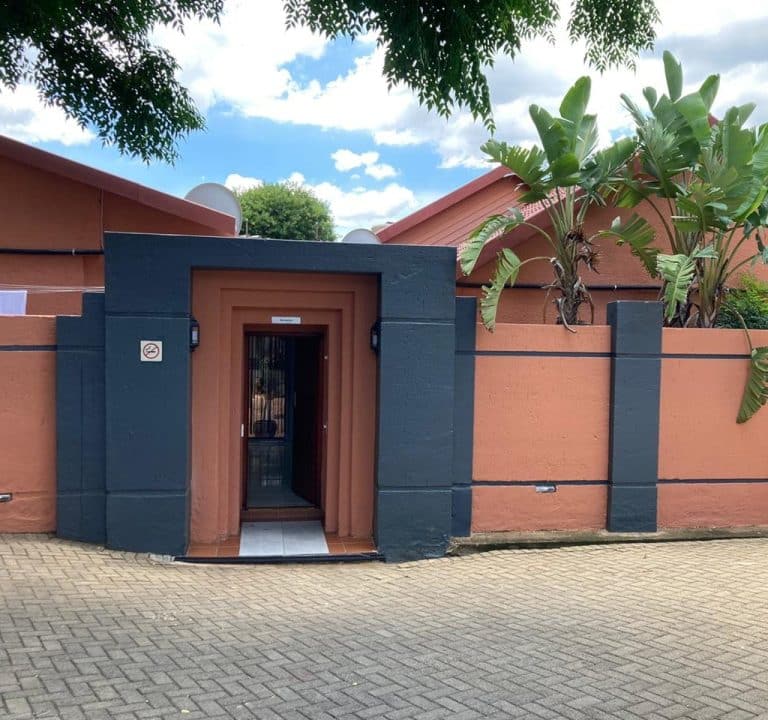
One notable accommodation option to consider is Makhaya Guest House, a guest house that combines a comfortable, intimate setting with convenient access to central Johannesburg amenities. Their website offers information on rooms, locations and nearby attractions, and provides a sense of traditional hospitality in a contemporary city context. For planning purposes, you can visit their website at the property’s official page.
Booking guidance:
- Read recent guest reviews for honest insights into cleanliness, safety and service consistency.
- Compare cancellation policies and whether breakfast, parking and airport transfers are included.
- Check accessibility and security features, especially if you’ll be returning late from evenings out.
- Look for properties with clear directions and staff who can assist with local recommendations and transport options.
Finally, practical tips for a comfortable stay include packing for variable weather, staying aware of your surroundings in busy areas, and keeping a backup plan for evenings when you’d rather dine near your accommodation. With thoughtful planning and a dash of urban curiosity, Johannesburg offers a dynamic mix of stays and experiences that can suit a wide range of tastes and budgets. Whether you’re here for business, culture, or a springboard to other Gauteng destinations, a well-chosen base plus a well-timed itinerary can make your visit smooth, enjoyable and memorable.