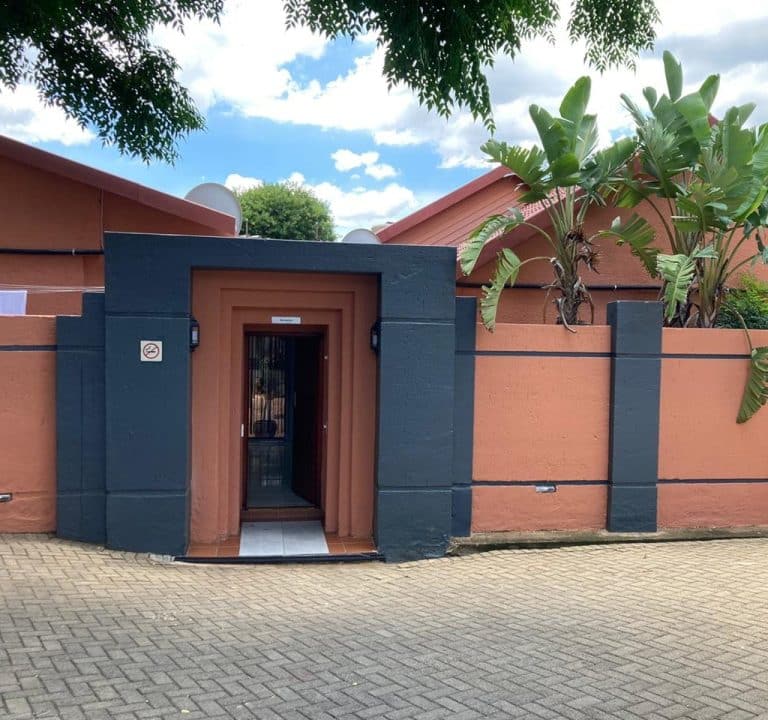
Johannesburg: Accommodation options, areas to consider, and essential planning tips
Johannesburg, the vibrant heart of Gauteng, offers a wide range of places to stay, from intimate guest houses to stylish hotels and family-friendly lodges. When planning a visit, think about which neighbourhood best suits your interests and the pace you want for your trip. Whether you’re arriving for business, culture, or city light adventures, a well-chosen base can unlock a richer Johannesburg experience.
Key areas to consider include central districts with easy access to business hubs and museums, up-and-coming neighbourhoods known for culture and dining, and leafy suburbs that feel more residential and relaxed. Braamfontein and Maboneng are popular for their arts scenes and convenient transport links. Rosebank offers a mix of shopping and markets, while Melville, Greenside, and Parkhurst provide a more bohemian vibe with cosy guest houses and boutique stays. Sandton and Fourways are convenient for business travellers and those wanting modern conveniences, parks, and malls. Soweto provides soulful heritage tours and captivating community life, often best explored with a guide or organised day trip.
When choosing accommodation, look for several practical factors. Security is important in Johannesburg, so check secure parking or 24-hour reception, and read recent guest feedback about safety and noise levels. Consider transport access: proximity to major roads, Gautrain stations, or bus routes can save time, especially if you’re planning day trips or business meetings. If you plan to explore on foot, look for a location with safe, walkable streets or reliable taxi and ride-hailing options. For a comfortable stay, you’ll often find guest houses and boutique hotels offering a friendly, personalised touch, with hosts who can share local tips on markets, eateries, and less-touristy corners of the city.
Typical amenities you might encounter include comfortable en-suite rooms, a hearty breakfast, and reliable Wi-Fi. Some properties offer on-site parking, secure access, and a small on-site lounge or garden. For families, look for family rooms or suites, with options for extra beds or cots. If you value self-catering, you’ll find apartments or guest houses with kitchen facilities. A pool or outdoor space can be a welcome retreat after a day of sightseeing, especially during Johannesburg’s warmer months. Accessibility is worth checking if you have specific needs, so confirm the availability of ground-floor rooms or lifts where required.
Planning your stay also means thinking about the time of year. Johannesburg’s winter (roughly May to August) tends to be dry and sunny, with cooler evenings. Summer (roughly November to February) can bring afternoon thunderstorms. If you’re aiming for pleasant conditions for outdoor activities or city strolls, spring and autumn are also very comfortable. The best time to visit in terms of light crowds and rates can vary; shoulder seasons can offer more availability and moderate prices, while school holidays may bring busier streets in popular areas.
Attractions and experiences in and around the city are varied and cater to many interests. Cultural and historical highlights offer perspectives on South Africa’s past and present, while contemporary districts showcase design, markets, and food scenes. For outdoor enthusiasts, nearby parks and viewpoints provide opportunities for walking, photography, and city panoramas. Food lovers can explore a range of dining options—from casual eateries to sophisticated venues—where the culinary scene reflects a fusion of flavours and local ingredients. Guided tours, including city walks, township experiences, and museum visits, can provide context and depth to your exploration, often with hosts who share practical tips on transport, safety, and day-trip planning.
Getting around Johannesburg is straightforward with several transport choices. In-town movements are well serviced by taxis and ride-hailing apps. The Gauteng commuter rail system and the Gautrain bring further convenience for day trips to nearby towns and the airport region, though schedules and routes may vary, so it’s wise to check current timetables in advance. If you plan a longer stay, renting a car can offer maximum flexibility to explore at your own pace, but you should remain mindful of peak-hour traffic and road rules. For a calmer start, you can base yourself near a Metro or bus hub and use curated tours to reach attractions beyond the immediate neighbourhood.
Practical tips to help you plan your trip smoothly:
- Read recent guest reviews focusing on safety, noise, and staff responsiveness rather than outdated promotional claims.
- Ask about breakfast options, early check-in or late check-out policies, and availability of secure parking.
- Check for accessibility features if needed, and confirm room configurations for any travelling companions who require extra space.
- Compare neighbourhoods in relation to your interests—food, culture, nightlife, or quiet mornings—and weigh transfer times from the airport or rail stations.
- Pack versatile clothing for city walks and potential weather changes, plus a universal adaptor for devices.
For a homey stay with a sense of place, a guest house in a well-chosen Johannesburg neighbourhood can offer a comfortable, personable experience alongside easy access to the city’s cultural heartbeat. Whether you’re seeking a stylish room, a warm breakfast, or a convenient base for exploring museums, markets, and restaurants, thoughtful planning will help you make the most of your visit. For more information on Johannesburg’s accommodation options and ideas for planning a stay, you can visit official tourism resources and reputable travel sites that provide current listings and practical travel guidance.