Johannesburg: Staying well and exploring Gauteng’s vibrant capital
Johannesburg, or Jo’burg, is a sprawling mosaic of neighbourhoods, modern galleries, lively markets and green parks. Planning a stay here means balancing convenient access to sights with the unique character of each area. For visitors seeking a genuine sense of the city, choosing the right base is as important as selecting the attractions to visit. Popular options range from boutique guesthouses and stylish hotels to apartment-style lodgings, many of which offer thoughtful amenities for travellers who value comfort and ease.
When selecting accommodation in Johannesburg, think about your itinerary and transport needs. Central districts like the business corridors and historic precincts are well connected by public transport and offer a compact base for day trips. Suburban pockets such as Melville, Rosebank, and neighbourhoods near Sandton provide a more relaxed pace, with an array of cafés, bars, and dining options within easy reach. If you prefer a quieter environment with a touch of leafy suburbia, look for lodges and guesthouses on tree-lined streets that still offer straightforward access to the city’s main attractions.
Typical amenities to look for include reliable Wi‑Fi, 24‑hour reception or clear check‑in procedures, secure parking if you are driving, and a well-equipped kitchenette or breakfast service. Many establishments in Johannesburg offer a complementary breakfast, which is handy for early departures to day trips or business meetings. Business travellers often value meeting spaces, charging facilities, and quiet workspaces, while leisure visitors may prioritise on-site dining, a comfortable lounge area, or easy access to public transport.
Transport is a key consideration. The Gauteng province has a dense network of roads, intercity trains, and local buses. In Johannesburg itself, ride-hailing services and car hire are common, and some areas are more pedestrian-friendly than others. If you are staying in or near a tourist-friendly hub, you can largely explore on foot during daylight and use a taxi or rideshare for evenings or longer hops. For those who plan to visit further afield, confirm parking availability or arrange a secure parking option in advance, and consider short trips by rail or organised tours that operate from central hubs.
Best time to visit Johannesburg is shaped by weather and events. The city experiences warm summers with afternoon thunderstorms, and cooler, dry winters. Shoulder seasons often bring pleasant temperatures for sightseeing and outdoor markets. If you enjoy markets, live music, or outdoor festivals, planning your stay around local calendars can enhance your experience. Pack layers, comfortable walking shoes, and a compact umbrella, as weather can be changeable, especially in spring and autumn.
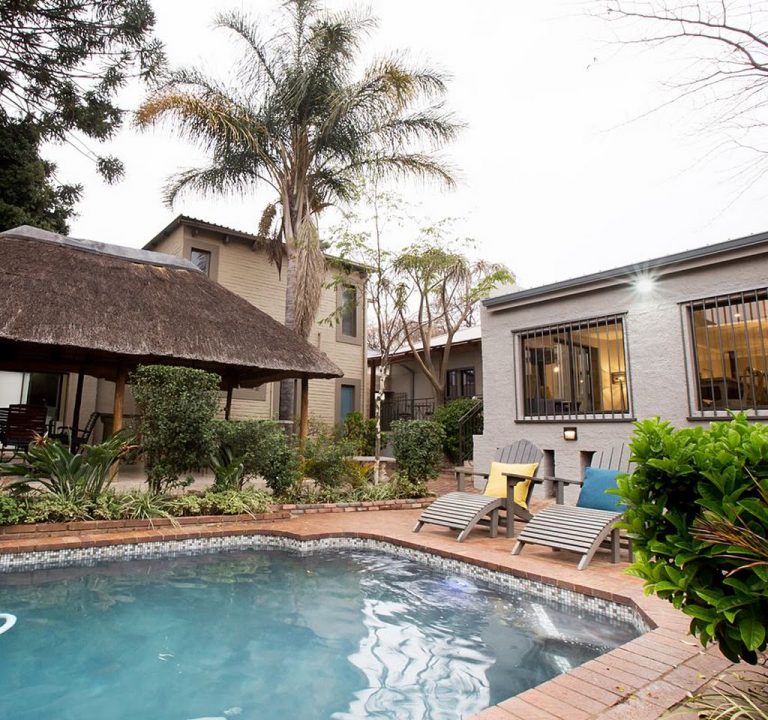
Accommodation in Johannesburg often blends comfort with a sense of place. Boutique guesthouses and guest-friendly hotels frequently feature stylish interiors, with thoughtfully designed rooms, en-suite facilities, and personalised service. Some properties offer curated experiences, such as guided neighbourhood walks, culinary tastings, or sunset viewpoints. It’s worth checking whether your chosen stay can arrange transfers, restaurant reservations, or insider tips for local attractions, markets, and offbeat communities.
In terms of neighbourhoods to consider, Melville offers a bohemian vibe with independent cafés and live music venues, making it a popular choice for visitors who want to combine rest with socialising. Rosebank is well linked to shopping, dining, and the Gautrain busier routes, offering convenient access to the northern suburbs and the airport corridor. Sandton, with its modern shopping centres and business facilities, suits travellers who prioritise a central point with plenty of dining options. For a more residential feel, areas near parks and leafy streets provide a quiet retreat after a day of exploration.
What to expect in terms of dining and experiences: Johannesburg’s dining scene ranges from casual eateries serving traditional South African dishes to contemporary restaurants with international influences. Many accommodation providers can recommend venues suitable for different occasions and budgets, from a quick bite before a show to a longer, more indulgent evening out. You can also explore markets and street food spots that highlight local flavours and handmade goods. If you plan to venture into the broader Gauteng region, consider day trips to nearby towns or nature reserves, paired with a guided or self-guided itinerary for a well-rounded experience.
Practical planning tips to make the most of a stay:
- Book in advance for peak periods and major events, especially in popular districts and around public holidays.
- Confirm parking arrangements if you are driving, and check access times for late arrivals or early departures.
- Ask your host or hotel for a personalised map or walking route that highlights safe routes, coffee stops, and scenic viewpoints.
- Request information about nearby supermarkets, pharmacies, and medical services so you have essentials on hand during your stay.
- When choosing a base, weigh access to rail links (such as the Gautrain network) against traffic patterns for your preferred routes.
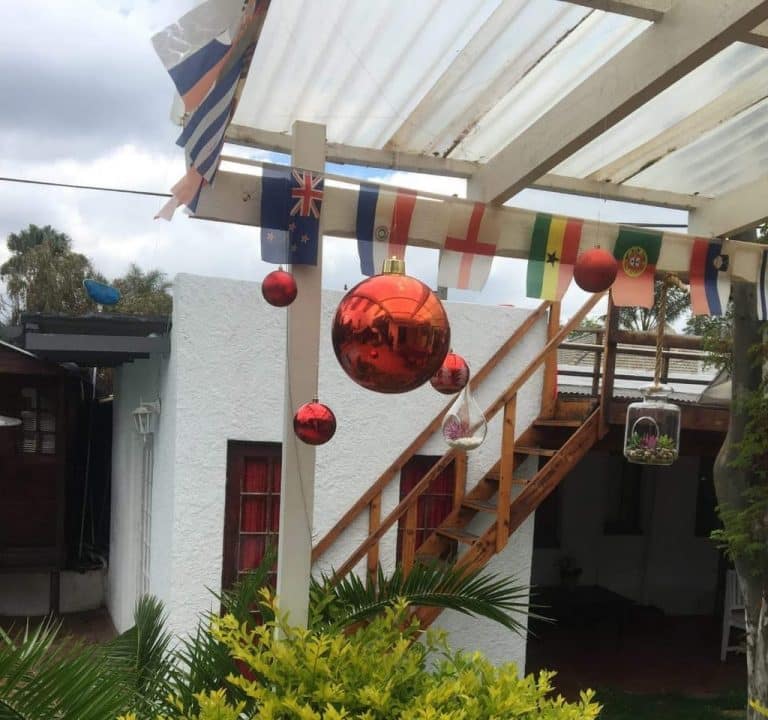
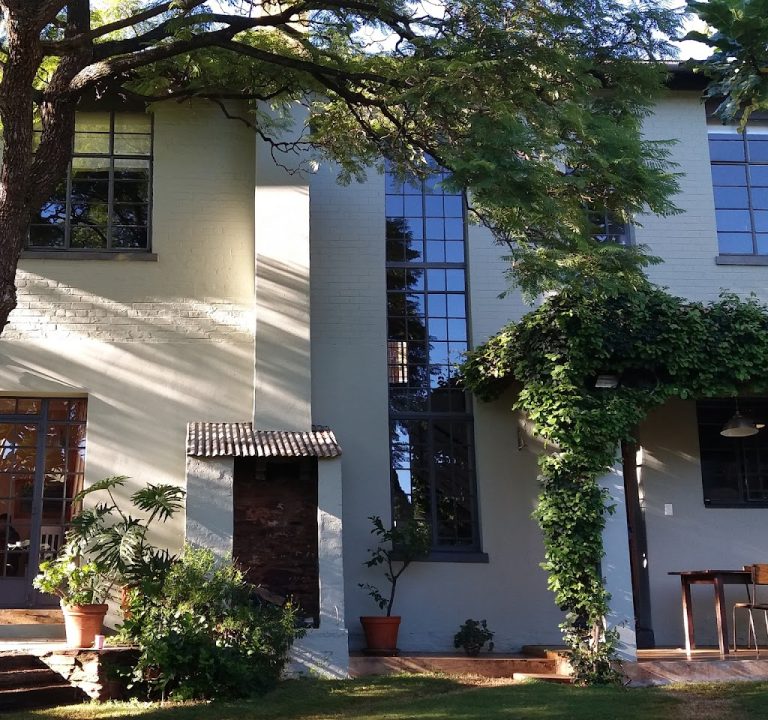
One example of accommodation with a dedicated online presence is a guest house that presents itself as a small, comfortable base for exploring the city. Its website provides an overview of facilities and location, and you can explore further details and booking options online at Melville Gap Guest House. While staying here or elsewhere, take the opportunity to observe Johannesburg’s energy by day and its vibrant, diverse neighbourhoods by night. With careful planning and a flexible itinerary, a visit to Johannesburg can reveal dynamic urban culture, generous hospitality, and a gateway to the broader Gauteng region.