Johannesburg: accommodation, attractions and planning your stay
Johannesburg, or Jo’burg, is a vibrant gateway to Gauteng with a mix of stylish guesthouses, modern hotels and budget-friendly B&Bs that suit a range of travel styles. When planning a stay, think about which neighbourhood will best match your aims—business meetings, culture, nightlife, or easy access to the city’s treasures. A well-chosen base can cut transit time and boost your overall experience.
Areas to consider include the urban heartlands where creative districts glow with cafés, galleries and eateries, and suburban splendour where comfortable rooms and serene streets provide a peaceful contrast to the city’s energy. Sandton is popular for business and shopping, Rosebank offers a mix of markets and dining along with convenient transport links, while Braamfontein and Melville are known for their youthful buzz, restaurants and easy access to the city centre. Maboneng Precinct, as a creative enclave, provides a walkable option with a concentration of boutique stays and urban experiences. When choosing a place to stay, weigh proximity to major highways, rail links such as the Gautrain or local bus routes, and the typical journey time to your planned activities.
Typical amenities in Jo’burg accommodation range from the practical to the comforting. Look for free Wi‑Fi, secure parking or easy access to public transport, a reliable hot shower, and clean, well-maintained spaces. A continental or cooked breakfast can be a welcome start to busy days, while on-site dining or nearby restaurants add flexibility for evenings out. If you’re exploring with family or a group, consider options with self-catering facilities, laundry services, and the possibility of flexible room configurations. A reception that is responsive and helpful for arranging airport transfers or local tours can also be a real time saver.
Public transport and getting around the city are facilitated by a well-developed network in parts of Johannesburg. The Gautrain offers fast rail connections to OR Tambo International Airport and to Sandton, making air travel and city trips straightforward. In more central areas, Uber or Bolt, as well as authorised taxi services, provide convenient door-to-door transport. If you plan to self-drive, check parking arrangements, access to security features such as gates or cameras, and whether your accommodation offers secure, on-site parking. Understanding the layout of the neighbourhood you’re staying in will help you decide how much you’ll rely on transit versus walking to nearby attractions and eateries.
The best time to visit Johannesburg tends to be during the drier, milder months from late autumn through early spring. Daytime temperatures are comfortable for outdoor sightseeing, but it can be cooler in the evenings. Rainfall is more common in summer, so pack a light rain jacket and an adaptable itinerary in case of showers. If your trip combines business with leisure, aim to balance meeting days with mornings or late afternoons for city strolls, galleries or markets. It’s worth noting that Johannesburg’s rhythm changes with weekends, when markets, street life and casual dining proliferate in many neighbourhoods.
Practical planning tips to make the most of your stay:
- Book accommodation with clear cancellation terms and transparent housekeeping policies, especially for longer visits.
- Verify the neighbourhood’s safety reputation and ask hosts about local tips, such as best dining streets, parking rules and where to catch public transport after dark.
- Check for noise levels, especially if staying in busy, nightlife-friendly areas. A quiet room can make a big difference for restful nights.
- Ask about currency exchange or nearby ATMs, and plan tasks like shopping or museum visits around opening hours.
- Consider a mix of day trips and in-city experiences—Johannesburg is a gateway to significant historical, cultural and culinary offerings.
Johannesburg offers a diverse array of experiences that suit varied interests. While staying in a guesthouse, boutique hotel or B&B, you may enjoy easy access to major museums and cultural centres, vibrant markets, and a burgeoning restaurant scene that celebrates everything from traditional flavours to contemporary cuisine. For a more relaxed pace, older suburbs provide leafy streets, coffee roasters and bakeries, while modern precincts showcase contemporary design and new eateries. A well-chosen base paired with thoughtful planning can help you experience both the city’s energy and its quieter, more intimate corners.
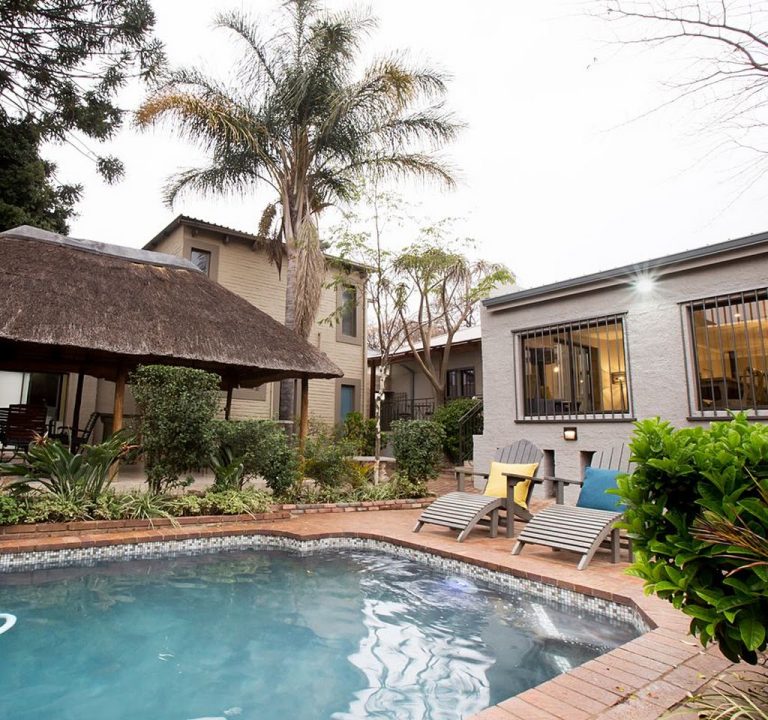
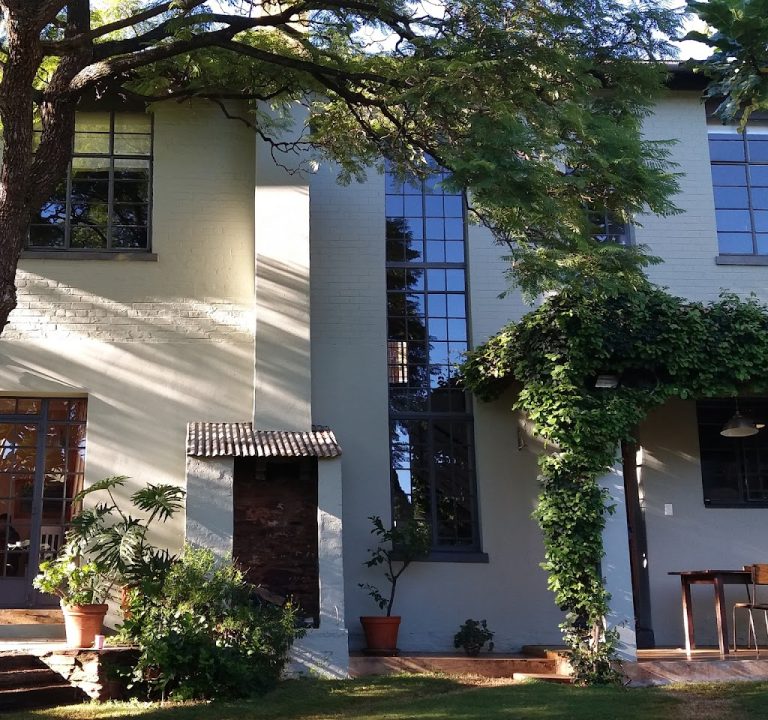
As for accommodation examples, boutique guesthouses such as QT Guesthouse Melville offer a homely atmosphere in a neighbourhood known for its character and local dining options. These kinds of properties often emphasise personalised service, comfortable rooms, and easy access to public transport and nearby attractions, making them a practical choice for travellers seeking a balance between convenience and charm. For more information about bookings or directions, you can visit the property’s website when available.