Exploring Johannesburg: where to stay, what to do, and how to get the most from your visit
Johannesburg, or Jo'burg as many visitors call it, offers a vibrant mix of cultural neighbourhoods, modern eateries, and a gateway to South Africa’s wider treasures. When planning a stay, consider choosing a base that matches your interests and pace—be it a leafy suburb near museums and cafés, a bustling urban hub close to nightlife, or a quieter retreat with easy access to the city’s southern and northern routes. A well-chosen neighbourhood can shape your days, from morning coffee runs to late-night strolls and eventual restful evenings.
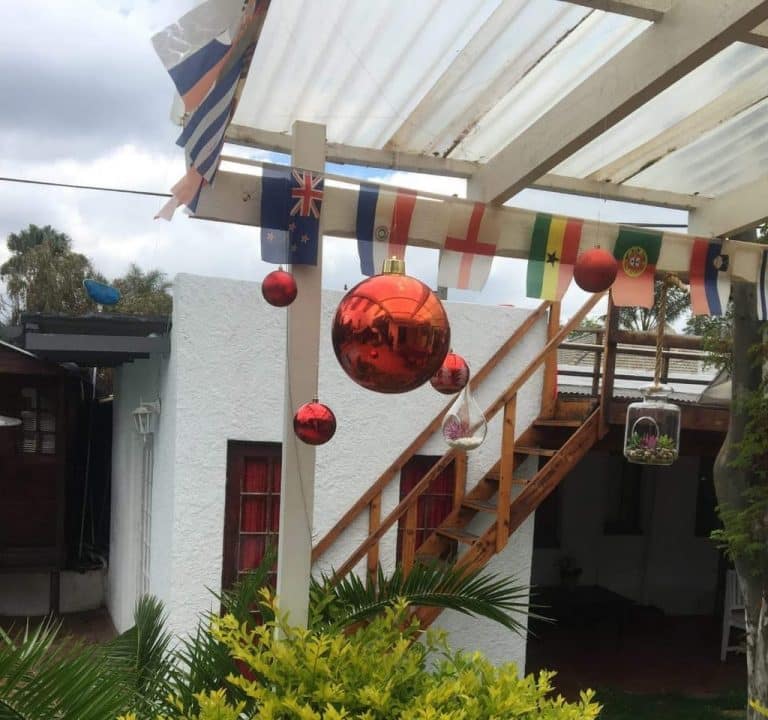
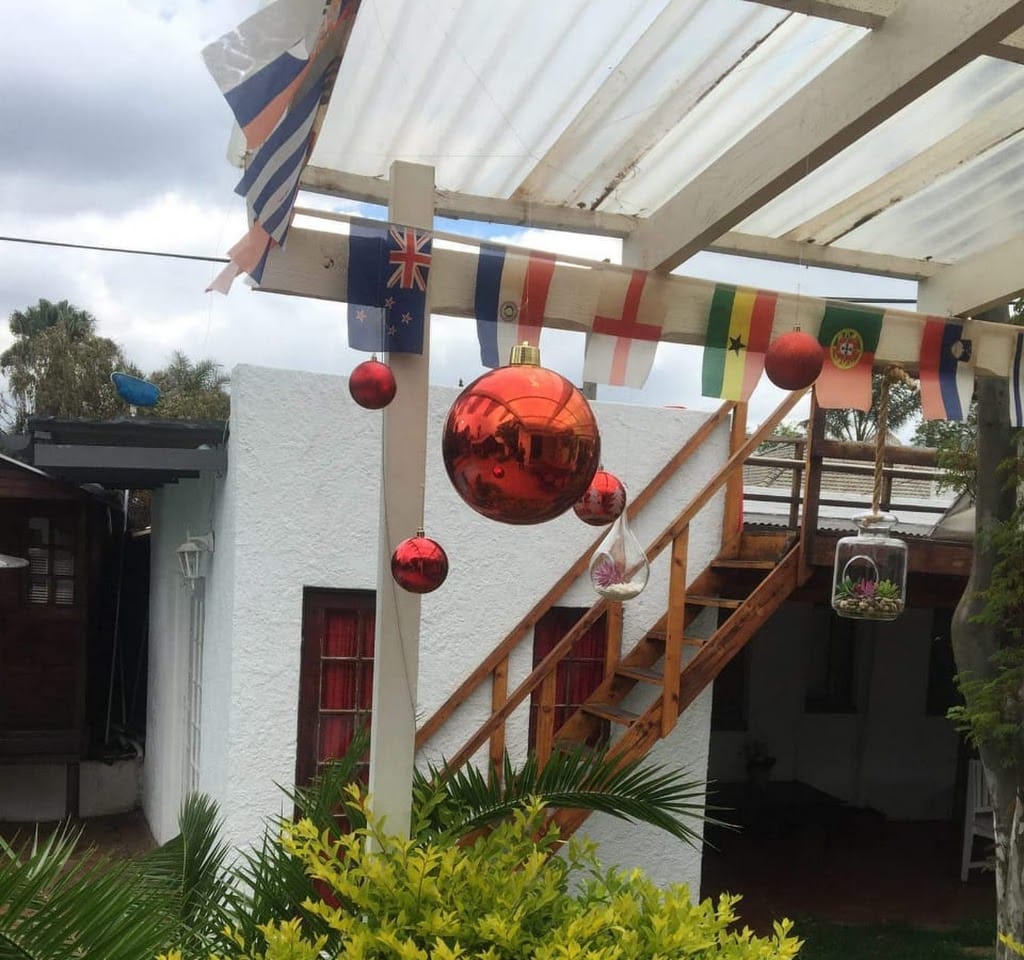
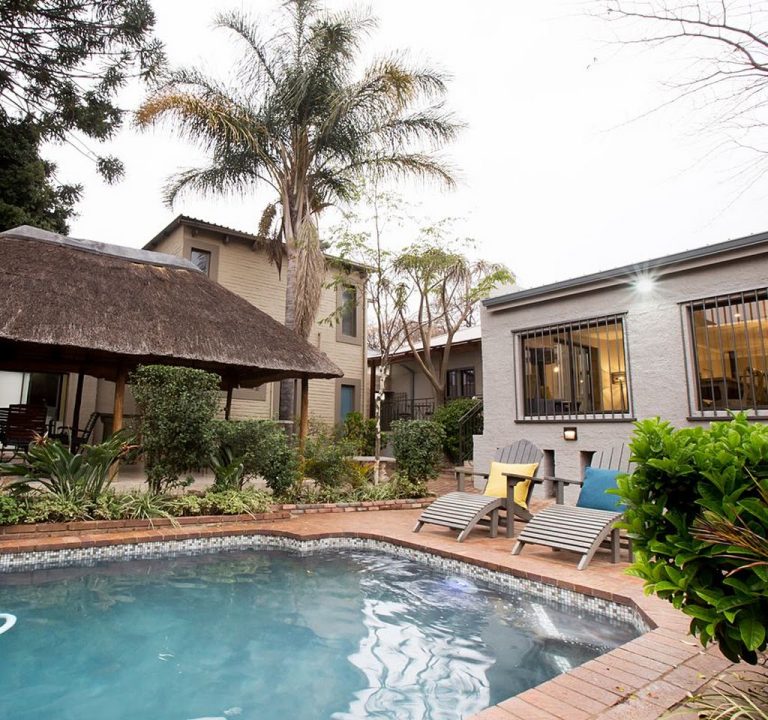
One option for a comfortable base with character is a holiday home or boutique retreat that blends homely amenities with personalised touches. For example, Melville House offers a practical example of South Africa’s guest-friendly stays: a property that combines space, style and convenience with access to nearby dining, bars and independent shops. Such accommodation types often feature self-catering facilities, secure parking, and a warm, domestic atmosphere that can be ideal for longer visits or family groups. When researching a property like this, look for clear house rules, thoughtful extras (such as a well-equipped kitchen or laundry facilities), and transparent booking information via the official site.
Areas to consider include:
- Melville and Westdene: known for a bohemian vibe, leafy streets, and easy access to buzzing cafés and quirky shops.
- Parktown and Rosebank: handy for business travellers as well as well‑appointed hotels and reliable public transport links.
- Johannesburg Central and Maboneng Precinct: an energetic urban scene with galleries, street food, and creative venues.
- Sandton and Fourways: more modern, with shopping, business facilities, and access to motorway routes.
- South of the city centre, including bustling market districts and green spaces—great for day trips and a different side of the city.
When booking, consider what matters most to you. Room layout and privacy are important for longer stays, while proximity to transit can save time on busy days. Check for reliable wifi, cooking facilities, and climate control, especially if you’re travelling during Johannesburg’s hotter months. If you will be driving, confirm secure parking and accessibility. For those relying on ride‑hailing or public transport, ask how best to reach key neighbourhoods and attractions from your chosen base.
Transport in Johannesburg is efficient when planned thoughtfully. The city’s layout means that drive times can vary with traffic, particularly during peak hours. Many visitors opt for a mix of car hire, rideshare services, and metro or bus options. For day trips to nearby natural landscapes or heritage sites, a rental car can be convenient, but guided tours or organised transfers may also be a comfortable choice if you prefer not to navigate unfamiliar roads. When staying in central or inner‑city districts, walking or short rides to cafés, markets, and galleries is often feasible and enjoyable.
Typical amenities you’ll encounter in well‑appointed Jo’burg stays include a private or shared living area, a fully equipped kitchen or kitchenette, reliable hot water, comfortable bedding, and air conditioning or good ventilation. Hosts and managers often provide insights into local dining recommendations and hidden gems, adding a personalised touch to your itinerary. A guest‑friendly approach—easy access to local eateries, convenience stores, and cultural sites—can enhance your experience far beyond a standard hotel stay.
Best time to visit Johannesburg depends on what you’re seeking. The city experiences a subtropical highland climate with warm summers and cooler winters. Spring and autumn (September–November and March–May) tend to offer comfortable temperatures for outdoor exploration, while the winter months (June–August) can be drier and crisp, ideal for museum hopping and city walks. If you’re aiming to combine city experiences with nature, consider including day trips to nearby nature reserves, parks, or the Cradle of Humankind, which make for rewarding excursions outside the urban core. Be mindful of potential rain in summer months and plan indoor activities as backup options during heavy storms.
Dining and experiences in Johannesburg range from classic bistros and modern eateries to markets and street‑food stalls. A stay that prioritises easy access to a mix of cuisines is strongly recommended, not only for meals but for late‑afternoon snacks and breakfast options. When selecting a restaurant or market, consider places with a relaxed vibe and a reputation for fresh, seasonal ingredients. If you’re seeking cultural immersion, look for venues hosting live music, art shows, or community events—these can offer memorable glimpses into the city’s dynamic spirit without requiring extensive planning.
Practical tips to make the most of your stay:
- Book a property with clear photos and a detailed description of spaces, plus up‑to‑date guest reviews.
- Check access details for check‑in times and whether a host or property manager is available for guest queries.
- Plan a realistic itinerary that balances city hours with downtime back at your accommodation.
- Use a trusted transport option for longer evenings out, especially if staying in central or high‑traffic areas.
- Bring a light jacket or layers for cooler evenings, particularly if you’ll be exploring outdoor markets or parks.
For those seeking a home‑away‑from‑home experience with the convenience of city access, Johannesburg offers a broad range of accommodation styles—from standalone holiday homes like Melville House to contemporary rooms in vibrant districts. The city’s attractions, eateries, and cultural scenes reward curious travellers who plan ahead yet stay flexible, allowing for spontaneous discoveries along the way. For more about Melville House and its surroundings, visit the official site at melvillehouse.co.za.