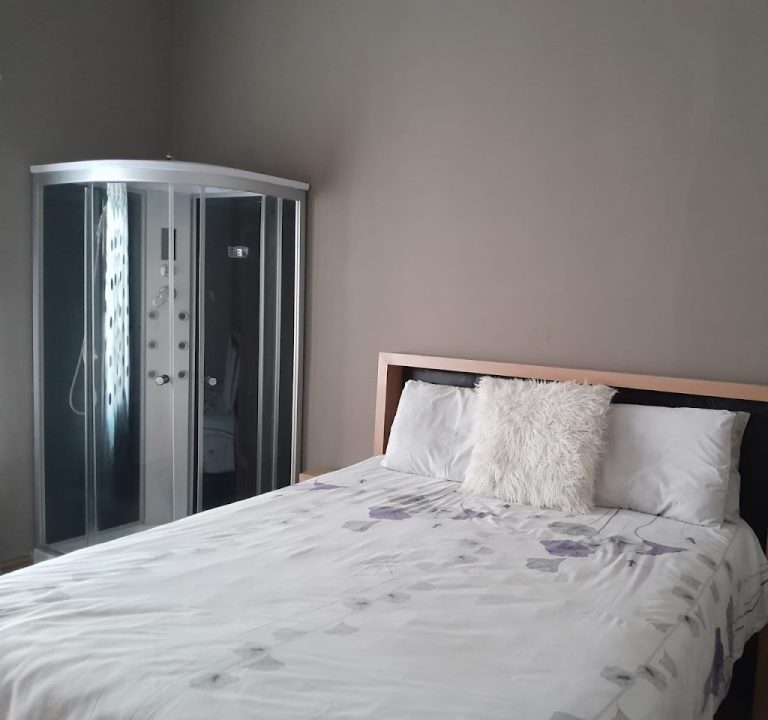
Discovering Johannesburg: accommodation and a practical guide for travellers
Johannesburg, Gauteng, is a vibrant gateway to South Africa’s urban culture, history and contemporary energy. When planning a stay, the choice of neighbourhood can shape your experience as much as the bed you sleep in. From leafy northern suburbs with stylish B&Bs to inner-city districts buzzing with street art and cafés, there are options to suit short breaks and extended visits alike. A well-chosen base will support easy exploration, comfortable rest and a sense of belonging in a dynamic city.
For visitors seeking a personalised stay, bed and breakfast properties such as Melvilla Guesthouse offer a homely atmosphere and a focus on hospitality. These types of accommodation typically provide a good balance of privacy and social interaction, often including breakfast and an approachable staff team that can offer local tips. If you prefer more independence, boutique hotels and guesthouses in central or northern neighbourhoods can deliver a similar level of comfort with stylish rooms and reliable service. When booking, check recent guest reviews for cleanliness, staff friendliness and consistency in amenities.
Areas to consider
- Sandton and surrounding suburbs: often favoured for shopping, business access and modern amenities, with numerous secure parking options and easy links to major routes.
- Rosebank and Melville: a mix of trendy dining, markets and easy access to parks, with a walkable feel and plenty of dining choices.
- Braamfontein and Newtown: a lively, artsy core with proximity to galleries, theatres and informal eateries; good for travellers who enjoy urban energy and easy transit into the centre.
- Maboneng and the inner city: a creative district offering galleries, street food, and boutique stays for visitors who want to be in the thick of it.
- Northern suburbs and beyond: quieter residential areas with green spaces and some guesthouses that prioritise a retreat-like atmosphere after busy days.
What to look for when booking
- Location and access: consider proximity to transport hubs, major attractions or the districts you plan to explore. A walkable base can reduce reliance on ridesharing.
- Security and parking: secure parking and well-lit surroundings are important in some areas; read recent guest feedback for reassurance.
- Comfort and amenities: ask about en-suite bathrooms, air conditioning, reliable wifi, and a guest area for relaxation. Breakfast options can be a plus in B&B settings.
- Transport options: inquire about shuttle services, access to Gautrain stations or taxi-friendly routes, and availability of guidance on local transit.
- Flexibility and policies: check cancellation terms, arrival times, and whether late check-in is possible if you anticipate arriving after business hours.
Typical amenities and practical tips
- Breakfast and dining: many B&Bs offer continental or cooked options, with additional recommendations for nearby cafés and eateries.
- Wi‑Fi and workspaces: for travellers who combine work and leisure, reliable internet and a comfortable working area can be important.
- Laundry facilities: some accommodations provide guest laundry services or self-service options, useful for longer stays.
- Early check-in or late check-out: these can be negotiable, especially in smaller properties with flexible housekeeping.
- Local guidance: hosts and managers often provide personalised tips on safe routes, markets, and lesser-known viewpoints.
Transport and getting around
- Public transport: Johannesburg has a growing rail network and bus routes, with ride-hailing services commonly used by visitors. If you plan frequent city centre visits, a base near a rail or bus hub can be convenient.
- Driving: if you are renting a car, verify on-site parking availability and security. Some areas offer easier access to main highways and business districts than others.
- Walking and cycling: certain areas are particularly walkable, with parks and tree-lined streets; however, long distances between districts may require motorised transport for convenience.
Best time to visit and practical planning
- Weather: Johannesburg enjoys a mild climate but can have significant diurnal variation; mornings and evenings can be cooler, even in summer. Pack layers and a light jacket.
- Seasons: the city experiences summer rainfall and dry winters. If you are visiting for outdoor markets and open-air experiences, late spring and early autumn are pleasant.
- Experience pacing: allocate time to rest between busy days, especially if you plan long sightseeing sessions or photography wanderings.
Attractions and dining in broad terms
- Cultural and historical stops: Johannesburg offers museums, galleries and public spaces that reflect South Africa’s past and present; plan a mix of indoor discoveries and outdoor strolls.
- Markets and street life: urban markets and vibrant precincts can provide an introduction to local crafts, fashion and food scenes.
- Dining: a broad range of restaurants and casual eateries can complement day trips, with options spanning modern South African cuisine to global flavours. In smaller, guest-focused areas you may find friendly family-run venues that offer warmth and good value.
Melvilla Guesthouse
For travellers seeking a comfortable, welcoming base that emphasises personal hospitality, Melvilla Guesthouse represents a well-regarded option within the bed and breakfast category. To learn more about facilities, room configurations and availability, visit the official site at http://www.melvilla.co.za/.
In summary, a well-chosen Johannesburg stay blends a convenient location with dependable comfort, thoughtful hosts and a flexible approach to transport. With a little planning—consider where you want to linger, how you’ll move between districts, and what kind of pace suits you—you can enjoy the city’s energy while enjoying rest and recovery in the evenings.