Johannesburg: Accommodation, neighbourhoods and what to do
Johannesburg, or Jo’burg as it is affectionately known, is a dynamic gateway to South Africa’s vast Gauteng province. The city blends modern business districts with historic neighbourhoods, and its accommodation choices reflect that mix. Whether you are visiting for business, culture, or a family break, you can find guest houses, boutique hotels and self-catering options that suit a broad range of budgets. For a character-filled stay, consider areas that balance ease of transport with local flavour, from vibrant city pockets to leafy residential streets.
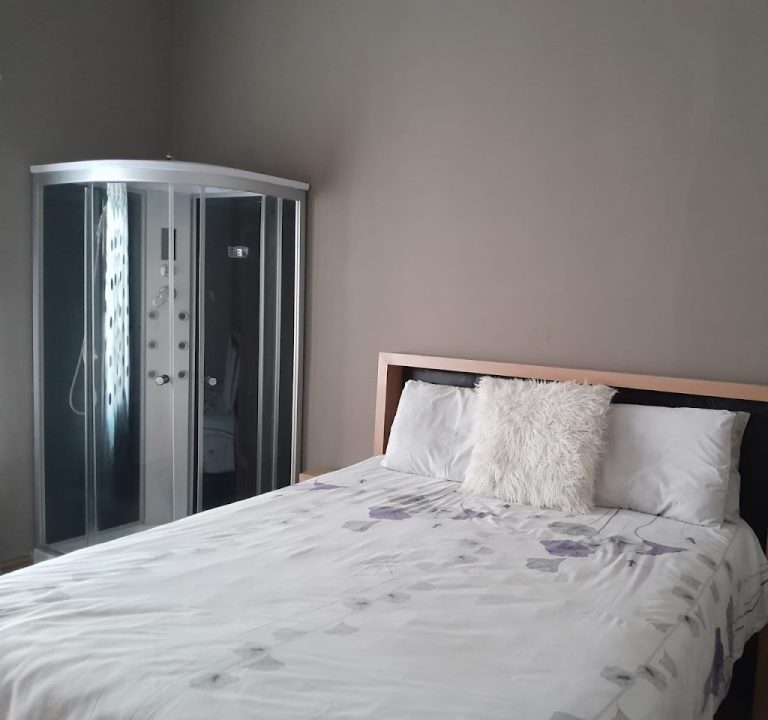
One reliable option for visitors seeking a welcoming atmosphere is a guest house like Itashinda House, which offers a central base with easy access to public transport and nearby amenities. Staying in a guest house can provide a more personalised experience, with hosts often offering tips on local markets, routes, and neighbourhood nuances. If you are planning a longer stay, look for guest houses that blend comfortable rooms with communal spaces where you can meet other travellers or unwind after a day of exploring.
Neighbourhoods to consider include Sandton, Rosebank, Braamfontein, Maboneng and Melville. Sandton is known for its business precincts and upscale shopping centres, while Rosebank offers a mix of markets and easy access to parks. Braamfontein and Maboneng are lively, fashioning a blend of galleries, cafés and street art, ideal if you want an immersion into the city’s creative energy. Melville, with its bohemian cafés and student-friendly vibe, can be more laid-back while still well connected to the central sights. To reach major attractions quickly, you’ll benefit from accommodation with good access to main roads and reliable public transport options.
What to look for when booking accommodation in Johannesburg:
- Proximity to reliable transport links, such as Gautrain stations or main bus routes, to reduce time navigating during peak hours.
- Availability of on-site facilities that fit your plan, such as Wi‑Fi, a self-catering option, or breakfast service.
- Secure parking or safe street access, particularly if you plan to rent a car for day trips beyond the city.
- Quiet rooms or soundproofing if you’ll be staying in lively districts with bars and nightlife nearby.
- Consistent housekeeping and guest services that can assist with local recommendations and day trips.
Typical amenities you might encounter include en-suite bathrooms, tea and coffee making facilities, secure entry, and flexible check-in times. A public lounge or garden area can be a welcome space to relax after a day of sightseeing. If you require accessibility features, check in advance for step-free access, elevator availability, and suitable room layouts. For families, look for larger suites, communal kitchens, and child-friendly spaces. Business travellers should verify desk space, power outlets and reliable Wi‑Fi in the room and lobby areas.
Transport in Johannesburg is straightforward but planning helps. The Gautrain provides fast connections between the city centre and suburbs such as Sandton and Pretoria, making day trips convenient without relying solely on road traffic. Rideshare services and licensed taxis are widely available, and many central locations are walkable for shorter stays. When you book, ask about the best local routes from your accommodation to places you intend to visit, and whether the host can arrange airport transfers or recommend trusted drivers.
The best time to visit Johannesburg is during the Southern Hemisphere winter and spring (May to September) when days are mild and dry. Summers (October to March) bring warmth and the possibility of afternoon thunderstorms, so packing a light rain jacket is sensible. Autumn can be particularly pleasant as the city parks and botanical gardens show seasonal colour. If you plan to combine your stay with shopping or markets, weekends are often ideal for exploring the city’s diverse retail scenes and street food offerings.
When planning an itinerary, balance must-see attractions with areas you can stroll, eat and relax in. Iconic cultural experiences sit alongside modern galleries and markets. Historical sites and museums recount South Africa’s complex past, while contemporary precincts showcase urban renewal and creative entrepreneurship. Alongside major museums, you’ll encounter public art and inviting cafés to enjoy a relaxed lunch or coffee break. For meals, Johannesburg offers a broad spectrum—from traditional South African braai-style meals to modern bistros serving international flavours. Where possible, choose venues that support local farmers and artisans, which can enhance your stay with fresh, seasonal offerings.
Practical tips for a smooth visit:
- Book in advance for peak periods, and confirm cancellation policies in writing.
- Request a room away from main throughways if you’re sensitive to street noise.
- Prepare for fast-changing weather with layered clothing and a compact umbrella.
- Carry a small local map or offline map on your phone; many areas value helpful signage and pedestrian routes.
- Respect local customs and etiquette in markets and smaller venues; a little courtesy goes a long way.
- Support local businesses by patronising neighbourhood cafés, markets and eateries.
Whether you choose a stylish guest house like Itashinda House or a boutique hotel in a buzzy district, Johannesburg offers a welcoming base from which to explore Gauteng’s energy and diversity. Coupled with easy access to attractions, parks, dining and a thriving arts scene, a well-planned stay can reveal the city’s warmth, resilience and multitude of experiences.