Finding the Right Accommodation and Enjoying Cape Town
Cape Town sits at the southern edge of Africa’s vast coastline, blending dramatic scenery with a diverse mix of neighbourhoods and cultural experiences. When planning a stay, choosing the right base matters just as much as the sights you wish to see. Whether you prefer a boutique B&B, a characterful guesthouse, or a modern hotel, you can tailor your choice to fit your rhythm, budget, and interests.
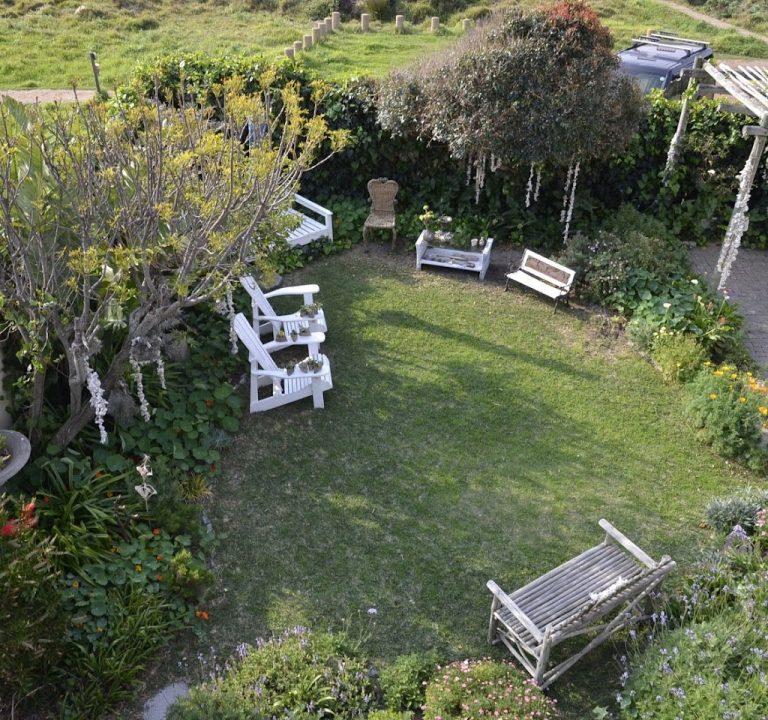
One notable option to consider is Guinea Fowl House B&B, a distinctive approach to staying in the city that often emphasises a personal welcome and a home-from-home feel. Local B&Bs and guesthouses frequently offer thoughtful touches such as homemade breakfasts, warm hospitality, and rooms that reflect the neighbourhood’s character. In contrast, larger hotels may provide more on-site facilities, significant professional service, and easy access to several key districts.
The range of areas in Cape Town is part of the fun. The City Bowl and the Central Business District offer proximity to museums, theatres, and iconic viewpoints, while the Atlantic Seaboard provides cliff-top scenery and stylish dining. Constantia valley is ideal for wine lovers seeking green, rolling hills and tranquille estates, and the Cape Peninsula offers dramatic coastal routes and nature at its most striking. When planning where to stay, think about travel times to places you want to visit, and whether you prefer a lively urban scene or a quieter, more residential feel.
What to look for when booking a stay in Cape Town goes beyond price. Consider the following factors to help you choose with confidence:
- Location relative to your planned activities, including access to reliable public transport or convenient car parking.
- Type of accommodation (guesthouse, B&B, boutique hotel, or larger hotel) and whether breakfast is included.
- Room configuration and privacy, especially if you are travelling with family or a group.
- Amenities that matter to you (free Wi‑Fi, air conditioning, self-catering facilities, on-site restaurant, pool, or garden access).
- Safety considerations and neighbourhood character, with easy access to dining and grocery options.
Typical amenities in Cape Town accommodation range from practical to indulgent. Expect well-equipped bathrooms, comfortable bedding, and reliable daily housekeeping in many mid-range options. Breakfast is common in B&Bs and guesthouses, with a growing number of properties offering light bites or café-style service throughout the day. In hotel-style properties, you may find on-site dining options, fitness facilities, and secure parking. For families or longer stays, some places provide self-catering kitchens, laundry facilities, and lounge areas.
Transport in Cape Town is part of the experience. The city is served by a road network that is straightforward for drivers, yet traffic and parking can be variable, especially in peak hours. If you plan to stay near the city centre or along the Atlantic Seaboard, consider a property with parking or good access to rideshare services. Public transport includes MyCiTi buses and commuter rail links, though many visitors find hiring a car or joining organised tours convenient for scenic drives to the Peninsula, Constantia, and the Cape Winelands. A well-located base will save you time and reduce stress when you are chasing viewpoints at sunrise or sunset, such as Table Mountain, the beaches at Clifton and Camps Bay, or the scenic Chapman’s Peak drive.
The best time to visit Cape Town depends on what you want from your trip. Summers (December to February) are warm and lively, with long daylight hours and plenty of seaside activities. Spring (September to November) brings mild weather and blooming gardens, while autumn offers cooler days and fewer crowds. Winter (June to August) is cooler and wetter, yet theatre productions, indoor dining, and whale watching along the coast can still be appealing. If your focus is outdoor adventures or coastal scenery, consider shoulder seasons to balance pleasant weather with calmer streets.
Planning practical details in advance can pay off. Check cancellation policies, especially for smaller properties that may be flexible but require advance notice. Look at how the property handles housekeeping, breakfast service, and special requests such as airport transfers or late check-ins. If you are cycling or walking to attractions, find out about secure storage for gear or easy access to pedestrian routes. For food lovers, Cape Town’s dining scene ranges from casual eats and market stalls to refined tasting menus; many hotels and guesthouses are located near trendy neighbourhoods where you can explore a variety of cuisines within walking distance.
When you are in the city, you can pair your stay with a few signature experiences or neighbourhood explorations. Tours and activities often recommended to visitors include short harbour trips, scenic coastal drives, and visits to nearby wine estates. For meals, you will find a broad spectrum of options—from casual cafés and vibrant markets to fine dining that celebrates local produce and coastal flavours. For planning resources and inspiration, trusted tourism sites offer practical itineraries and seasonal suggestions to help you map a balanced visit that fits your pace.
For more information about Cape Town and its accommodation landscape, you can visit official tourism pages or destination guides. Combining a well-chosen base with a flexible itinerary will help you make the most of the city’s contrasts: ocean views, mountain panoramas, historic streets, and a food scene that reflects Cape Town’s cosmopolitan charm. Whether you stay in a characterful B&B such as Guinea Fowl House or in a contemporary hotel, you’ll find Cape Town inviting, approachable, and endlessly photogenic.