Accommodation and experiences in Cape Town: planning a memorable stay
Cape Town combines dramatic scenery with a rich tapestry of neighbourhoods, making it essential to choose an area that suits your style and pace. Whether you crave beachfront access, city convenience, or a peaceful hillside retreat, the city offers a range of accommodation types from boutique hotels to guesthouses and self-catering apartments. Planning ahead helps you balance convenience, price and the kind of experiences you want to sip, stroll and explore.
Popular areas to consider include the coastline and Atlantic Seaboard for sun, sea and sunset views; the city centre and the foreshore for accessibility to museums and nightlife; and the lush Southern Suburbs for greenery, markets and a slower rhythm. Camps Bay and Clifton are famed for their sandy beaches and stylish eateries, while Green Point and De Waterkant offer a more energetic urban scene with easy access to the V&A Waterfront. For a more intimate, localfeel, consider areas such as Woodstock or Salt River, which have undergone a wave of design-led hospitality with easy tram or taxi routes to central sights.
When you book, look for practical amenities that match your itinerary. A comfortable bed with quality linens, reliable Wi‑Fi, secure parking or easy access to public transport, and a generous breakfast option are common markers of good-value stays. If you are visiting for outdoor adventures, you might prioritise properties with easy access to lift or trail points, a laundry service for active travellers, and a pool or sun deck for downtime after a day on the hills. For business trips or longer stays, a kitchenette or self‑catering facility, a desk in the room, and flexible check-in can be real advantages.
Transport in Cape Town is convenient but can be variable depending on the area and time of day. The MyCiTi bus network serves many central routes and suburban corridors, while rideshare services and rental car options provide flexibility for exploring beyond the immediate city limits. If you plan to venture out to the Cape Peninsula, including Cape Point, a car is typically the simplest option to manage your own schedule and make spontaneous stops along the coast. Consider staying near a taxi or ride-hailing hub if you prefer not to drive, as well as check-ins that offer late arrival options if your flights land late in the day.
Best time to visit Cape Town blends mild temperatures with a rainbow of seasonal activities. Spring (September to November) and autumn (March to May) are particularly pleasant for sightseeing and winery excursions, with fewer crowds than peak summer. Summer (December to February) brings longer days, lively beach scenes and outdoor dining, while winter (June to August) can be cooler and windier, but still offers whale-watching viewpoints and cultural events. Always pack layers, a light waterproof layer for Cape drizzle, and sun protection for bright days on the coast.
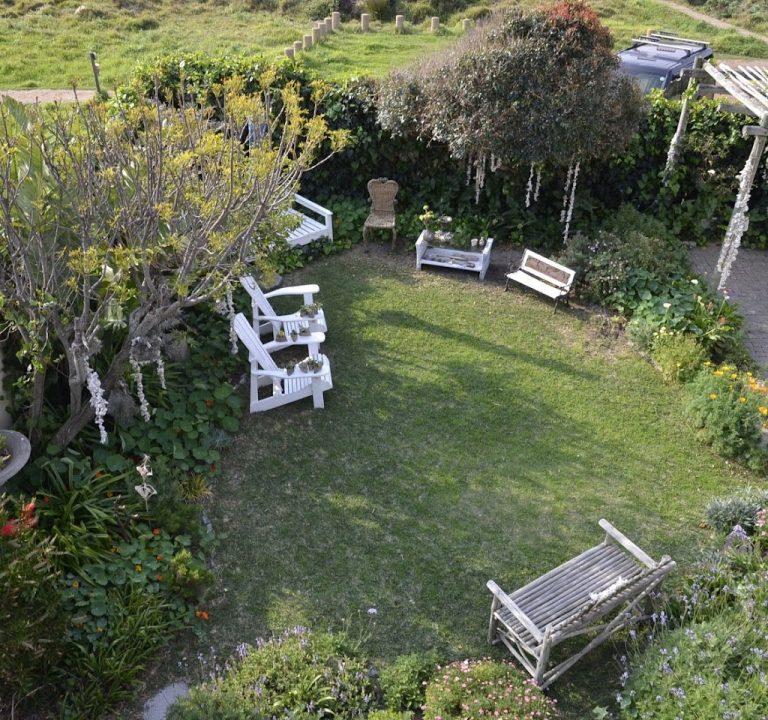
Accommodation itself ranges from stylish hotels to guesthouses and self-contained suites. If you are seeking a boutique escape, consider properties that emphasise design, personalised service and a sense of place. Some offers may feature coastal views, curated breakfasts, and curated local experiences such as guided walks, market visits, or wine tastings. A few boutique hotels in coastal neighbourhoods emphasise privacy and easy access to both beaches and city sights, providing a refined base for exploring the region. An example is a Cape Town hotel known for its coastal location and thoughtful amenities; you can explore its details at the venue’s official site: The Last Word Long Beach.
When planning activities, balance iconic attractions with time to simply wander, sip coffee on a sunny promenade, or explore neighbourhood markets. General highlights include the dramatic Table Mountain footprint, accessible via cable car or scenic hikes, as well as botanical splendours of Kirstenbosch National Botanical Garden. Coastal drives reveal rugged shores and viewpoints, while Robben Island offers a sobering glimpse into SA’s history. In the city, museums, galleries, and vibrant street life provide cultural depth, and the waterfront is a hub for shopping, sunsets, and casual dining with a maritime atmosphere.
Dining in Cape Town ranges from elegant fine dining to casual eateries with a focus on fresh seafood, local produce, and multicultural fusion. Rather than listing individual venues, it is useful to look for neighbourhoods that offer a mix of cafés, bistros, and family-run diners, often with sea vistas or mountain backdrops. Booking ahead for popular periods helps secure tables, particularly during festive weekends and holiday seasons. If you enjoy culinary discovery, ask your hosts or hotel front desk for recommendations on a day’s plan that combines market visits, a hillside walk, and a sit-down meal with a view.
- Pack light layers and a good pair of walking shoes for varied terrain.
- Book accommodation with easy access to reliable transport or parking options.
- Plan a mix of outdoor time and museum or cultural visits to balance pace.
- Check the area’s safety tips and local advisories for evenings out.
- Include at least one coastal drive or beach day and one mountain viewpoint in your itinerary.
In short, Cape Town rewards travellers who match accommodation to their pace—whether that means a serene base with sea views, a central apartment near markets and museums, or a stylish boutique hotel with thoughtful slip‑into-and-out‑of‑town ease. With careful selection of district, amenity balance, and a flexible approach to daily plans, a stay in the Western Cape’s crown jewel can be as relaxed or as adventurous as you wish.