Accommodation and Experiences in Cape Town: Planning a Memorable Stay
Cape Town, with its dramatic coastlines, iconic mountains and vibrant neighbourhoods, offers a wide range of places to stay and experiences to enjoy. When planning a trip, it helps to balance sleep arrangements with accessibility to attractions, dining and local culture. Self-catering options, guesthouses, boutique hotels and lodges sit alongside longer stays in charming neighbourhoods—each with its own character and convenient transport links.
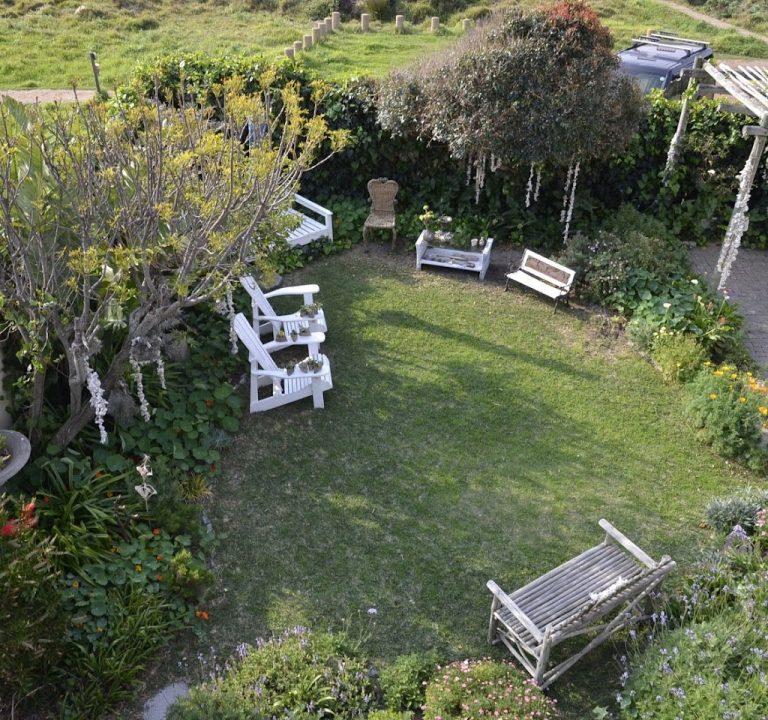
One notable example of self-catering accommodation is Arum House Kommetjie, a countryside-by-the-sea option that combines the comforts of home with the beauty of the Cape countryside. Whether you are seeking a peaceful coastal base or a gateway to the city’s heart, Kommetjie and similar villages offer a tranquil contrast to central Cape Town while still remaining accessible to main sights and routes. You can learn more about such properties via their official listing pages, which typically highlight privacy, kitchen facilities, and outdoor spaces as key selling points.
Areas to consider when booking
- City centre and the V&A Waterfront: convenient for urban sightseeing, museums, galleries and a wide range of restaurants, with easy access to public transport and guided tours.
- Atlantic Seaboard (Sea Point, Green Point, Camps Bay): renowned for beaches, promenade strolls, and a lively dining scene, often with ocean views and stylish rooms.
- Constantia and the southern suburbs: great for wine routes, family-friendly stays, and leafy streets, usually quieter and well suited for longer visits.
- Hout Bay and the Atlantic Ocean coast: ideal for seafood lovers, harbour vibes, and scenic drives along Chapman’s Peak road.
- Muizenberg and Kalk Bay: a more laid-back, bohemian feel with colourful architecture, surf culture and easy access to the False Bay coastline.
- Kommetjie and other Atlantic seaboard villages: offers a rural-meets-coastal experience, often with self-catering facilities and expansive sea views.
What to look for when booking
- Self-catering facilities: at-home conveniences such as a well-equipped kitchen, comfortable living spaces and outdoor areas can greatly enhance a longer stay.
- Privacy and security: consider gated or staffed properties, and check reviews for quiet hours and safety.
- Access and transport: proximity to major routes, MyCiTi bus stops, or rail links can make day trips easier, especially if you do not plan to hire a car.
- Outdoor and leisure spaces: balconies, terraces, gardens or courtyards can add significant value, especially in milder seasons.
- Local touches: hosts who provide practical information about neighbourhoods, markets and delayed check-ins create a smoother experience.
Typical amenities you might expect
- Comfortable bedrooms with clean linens, good storage and climate control.
- Fully equipped kitchens or kitchenettes with dining areas.
- Wi‑Fi, parking options, and reliable housekeeping schedules.
- Secure entry, daily living comforts such as laundry facilities or washing lines.
- Outdoor spaces for sun, sea air, or simply relaxing after a day of sightseeing.
Transport and getting around
South Africa’s cities can be navigated by a combination of car hire, ride‑hailing apps, and public transport. In Cape Town, owning a car provides the most flexibility for day trips to the Cape Peninsula, Boulders Beach penguin colony, or wine estates, but a well‑planned itinerary can also work well with guided tours and shuttle services. When staying in central areas, many attractions are within walking distance or short rides away. If you plan to explore beyond the city, consider a property with easy access to main roads and reliable parking options.
Best time to visit and practical planning tips
Cape Town’s seasons are reversed to those in the Northern Hemisphere. Summer (December to February) brings warm days and lively outdoor events, ideal for beaches and coastal walks, but it can be busy. Shoulder seasons (late spring and autumn) offer pleasant weather with fewer crowds, while winter (June to August) is cooler and damper, yet perfect for fewer crowds at vineyards and cultural sites. Plan for variable weather; packing layers, a light waterproof, and sun protection will serve you well year‑round.
Practical tips to enhance your stay
- Book accommodation with clear cancellation policies and flexible dates if possible, especially during peak travel periods.
- Arrange airport transfers or understand the local taxi and ride‑hailing options to avoid last‑minute stress.
- Check neighbourhood safety notes and courtesy guidelines from hosts, and respect local communities and traffic rules.
- Reserve dining and activity experiences in advance during busy seasons to avoid disappointment, particularly for popular restaurants and guided tours.
- Embrace local markets and coffee cultures; they offer insights into Cape Town’s diverse communities and culinary flavours.
As you plan your Cape Town stay, balance comfort with location to maximise your time for exploring attractions and enjoying world‑class cuisine. Whether you choose a city‑centre boutique hotel, a seaside guesthouse, or a cosy self‑catering retreat on the Atlantic coast, Cape Town rewards thoughtful preparation, with memorable landscapes, welcoming hospitality and abundant possibilities for discovery. For accommodation examples and availability, you can explore official listings and property pages that clearly outline amenities, location and booking terms, such as dedicated self‑catering options like Arum House Kommetjie, which highlight the practicalities and pleasures of a home‑from‑home stay. Visit the listed property page for more information and how to book a stay that fits your travel plans.