Accommodation and planning a stay in Cape Town, Western Cape
Cape Town offers a diverse range of places to rest your head after a day exploring its mountains, coastline and vibrant neighbourhoods. From stylish boutique guesthouses on the Atlantic Seaboard to family‑friendly hotels in the City Bowl and secluded villas in the winelands, there is something to suit every traveller. When planning a stay, consider not only price and style but also access to the sights you want to prioritise, as well as how you’ll move around the city and beyond.
Areas to consider include the Atlantic Seaboard, where hotels and self‑catering apartments overlook pristine beaches and sea views. Camps Bay and Sea Point offer a lively mix of dining and nightlife within walking distance of the shoreline. The City Centre (or City Bowl) is ideal for walkers who want easy access to museums, markets and the V&A Waterfront. Constantia and the Southern Suburbs provide leafy, relaxed stays with easy access to the winelands and leafy hiking trails. For a more secluded coastal experience, a night or two in Kommetjie or Kalk Bay can feel a world away from the city bustle, yet still be within a short drive of Cape Town’s best known sights.
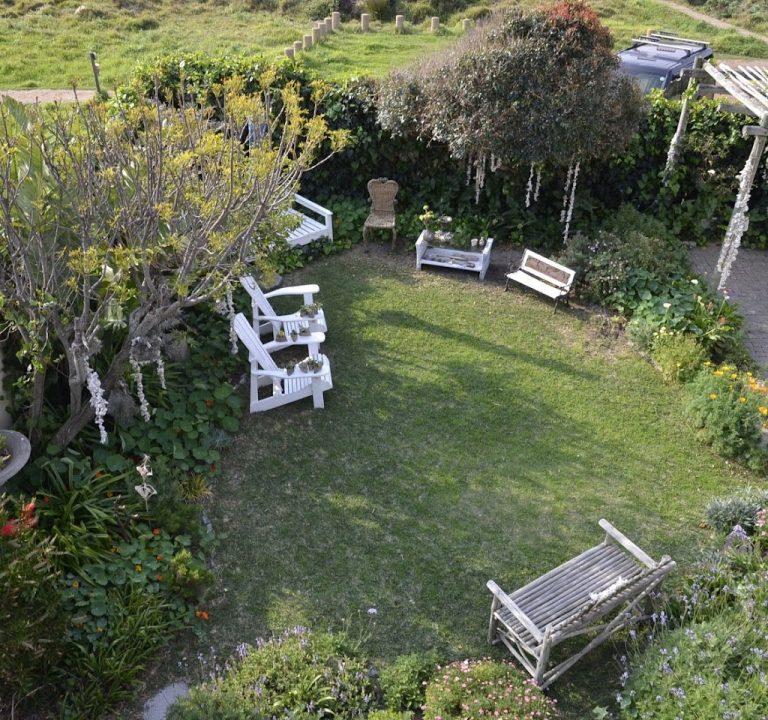
When you book, think about what matters most for your trip. If you plan long days outdoors, choose accommodation with a comfortable bed, reliable hot water, good heating or cooling, and a private outdoor space. If you’re visiting during peak season, a central location with easy access to reliable transport can save you time. Many properties in Cape Town offer a mix of on‑site amenities such as free Wi‑Fi, breakfast options, shuttle services, secure parking, and in some cases self‑catering facilities. A boutique coastal stay like Tristan’s Beach House in Kommetjie is an example of how a smaller, well‑appointed property can pair personalised service with close proximity to nature and waves.
Transport choices in Cape Town range from car hire to public options such as MyCiTi buses and the national rail network. In city centre locations, you’ll often be able to walk to major attractions and restaurants, with rideshare apps as a practical backup. If you plan day trips to the winelands, Cape Point, or the Cape Peninsula, a car gives you maximum freedom, though guided tours or private drivers can be convenient if you’d prefer not to drive on unfamiliar routes with changing road conditions.
The best time to visit Cape Town depends on what you want to do. Spring (September to November) and autumn (March to May) offer pleasant temperatures, blooming gardens and fewer crowds than peak summer. Summers are warm and ideal for beach days and coastal walks, but popular spots can become busy, so early starts and reservations are wise. Winter (June to August) is cooler and wetter, yet still clear in many days, with fewer visitors and lush, green landscapes after rain. Always check local advisories and plan for possible load‑shedding by ensuring your accommodation has backup power or a generator if available.
When choosing a place to stay, look for these typical amenities and features:
- Comfortable beds and climate control (heating/cooling) suitable for the season
- Reliable hot water, and if possible, a private outdoor space or balcony
- Access to breakfast or self‑catering facilities, and well‑equipped kitchens if you prefer to self‑cater
- Secure parking or easy access to public transport and taxi services
- Strong Wi‑Fi, especially if you’re balancing work with travel
- Safety features and a well‑lit neighbourhood with reasonable pedestrian access
- Clear cancellation policies and transparent pricing, particularly for peak periods
For dining and activities, Cape Town delivers a spectrum of experiences without needing to travel far from your base. In the city, expect diverse restaurants offering seafood, contemporary South African cuisine and international fare. Waterfront precincts, nearby markets and stylish cookery schools provide opportunities to sample local flavours and learn about regional agriculture. Beyond meals, you can arrange wine tastings in nearby provinces, scenic coastal drives, or guided walks up iconic viewpoints. In the surrounding suburbs and towns, you may find artisan cafés, craft markets and small museums that offer a relaxed pace after a day of sightseeing.
Practical tips to help you make the most of your stay:
- Book a location with convenient access to the attractions you want to visit most, whether that’s a cable car to a mountaintop, a harbour cruise, or a garden stroll.
- Check the check‑in times and whether late arrivals can be accommodated, especially if you’re travelling from abroad or embracing a flexible itinerary.
- Factor in travel time between neighbourhoods; Cape Town’s geography means that the fastest route can vary with traffic and weather conditions.
- Pack layers for a changeable climate, plus sun protection for outdoor days on the peninsula.
- Consider a combination of stays—one or two nights in the city centre, and a few nights closer to the coast or winelands—to experience different vibes and landscapes.
- Respect local safety guidance and keep valuables secure, especially in busy tourist areas.
Finally, plan ahead with trusted resources and booking platforms that provide clear descriptions, recent guest reviews and comprehensive details about the property’s location, amenities and policies. A well‑chosen stay can serve as a comfortable hub from which you explore Cape Town’s iconic landmarks, vibrant districts, and the surrounding Western Cape’s landscapes and flavours. For ideas and practical tips, you can explore official tourism sites and reputable travel guides that reflect current conditions and seasonal highlights across the region.