Accommodation, Attractions and Planning Your Stay in Cape Town
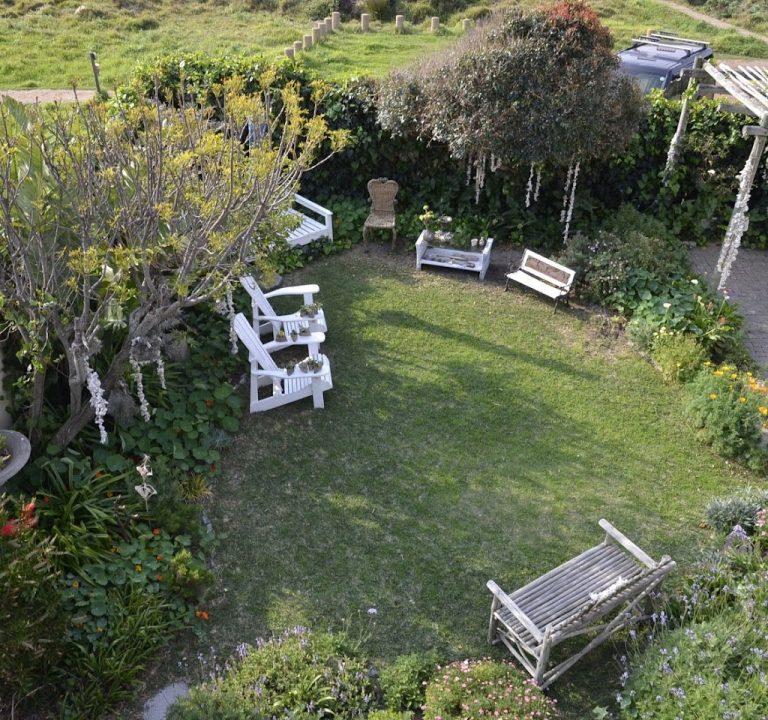
Cape Town offers a diverse range of places to lay your head, from intimate guest houses and boutique B&Bs to modern hotels within easy reach of iconic scenery. When choosing where to stay, consider your priorities: proximity to the coast, easy access to the city centre, or a quieter neighbourhood with leafy streets and a scenic backdrop. A good example within the city is Bellamar Guest House, known for its comfortable rooms and thoughtful hospitality, providing a convenient base for exploring the region.
Areas to consider include the bustling City Bowl and the historic streets near the centre, where you can wake to cafes, markets and museums within short walks. The Atlantic Seaboard, including neighbourhoods along the coast, offers dramatic ocean views, easy beach access and a more tranquil pace. For wine and scenic landscapes, Constantia and the surrounding Constantia Valley are ideal for day trips, while the nearby Cape Winelands provide vineyard experiences just a short drive away. If you’re seeking a lively atmosphere with nightlife and diverse dining options, the V&A Waterfront area combines entertainment, harbour views and convenient transport links.
When planning a stay, look for a property that suits your style and schedule. Important amenities often include reliable Wi‑Fi, private or secure parking, on-site restaurant or breakfast options, and in-room amenities such as air conditioning or fans depending on the season. Guest houses and boutique hotels typically offer personalised service, sometimes with curtilage spaces or balconies for outdoor lounging. Self-catering options may appeal if you prefer mornings at your own pace. Consider accessibility, as some properties are located on hills or narrow streets, which can affect mobility and luggage handling.
Transport connections make a big difference to convenience. The MyCiTi bus network offers affordable routes across the city, while Uber and other ride-hailing services are widely available. If you plan to venture to the suburbs or winelands, a rental car provides flexibility, though traffic and parking can be challenging in peak times. Walking and cycling are pleasant within compact areas such as the city centre and the harbour, where pedestrian-friendly routes let you discover cafés, markets and viewpoints at a relaxed pace.
The best time to visit Cape Town depends on what you want from your trip. Late summer and autumn (February to May) bring pleasant temperatures and fewer crowds, while spring (September to November) offers blooming landscapes and comfortable days. Winter (June to August) is milder in the city than inland areas and can be a good period for those seeking fewer tourists, though some attractions may have reduced hours or limited outdoor activities. For the coast and beaches, summer remains ideal, but be mindful of wind and sea conditions if you plan water activities. If you are visiting for outdoor adventures, plan ahead for coastal weather and seasonal closures that may affect some tours or excursions.
Attractions and experiences are plentiful and varied, with natural landmarks, scenic viewpoints and cultural stops across the region. You’ll find nature reserves and beaches offering spectacular photo opportunities, coastal viewpoints that showcase Table Mountain’s iconic silhouette, and museums that trace the city’s diverse history. When it comes to dining, Cape Town’s restaurant scene emphasises fresh, locally produced ingredients and multicultural influences. Rather than focusing on individual restaurant names or prices, look for seasonal menus, a welcoming atmosphere, and options that accommodate dietary preferences. Many eateries near central hubs provide a relaxed, walkable dining experience after a day of sightseeing.
Practical planning tips to help you make the most of your stay:
- Book accommodation with clear cancellation policies and flexible dates where possible.
- Check whether your chosen area offers easy access to your planned activities and sights.
- Consider the time of year and pack layers for changing coastal climates and breezy evenings.
- Verify if the property offers secure parking or convenient public transport access.
- Plan a balance between guided tours and independent exploration to discover hidden corners of the city.
Finally, tailor your itinerary to allow for both iconic experiences and slower, neighbourhood-led days. A well-chosen base in Cape Town can reduce travel time and enhance your enjoyment of the city’s remarkable scenery, vibrant dining scene and friendly hospitality. Whether you opt for a guest house with personal touches, a chic boutique hotel, or a comfortable apartment, the aim is to feel well-catered for and part of the local rhythm as you explore the Western Cape’s treasures.