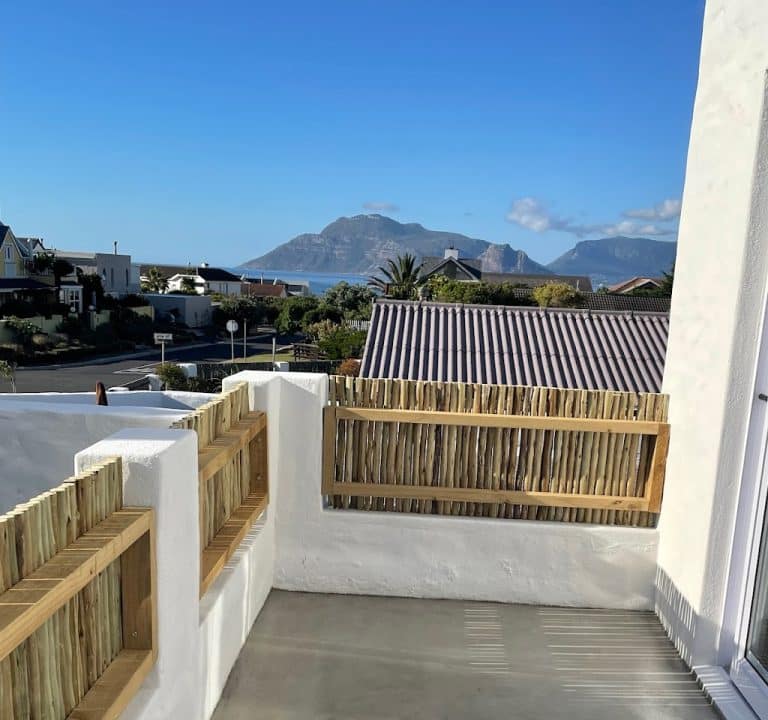
Storyhouse Kommetjie is a Bed & breakfast establishment in Cape Town, Western Cape, South Africa
Cape Town
Western Cape
7976
South Africa


Experiencing Cape Town: a guide to staying, eating and exploring
Cape Town sits at the southern tip of Africa, where ocean, mountain, and city blend to create a remarkably varied destination. When planning a stay, travellers can mix coastal calm with cosmopolitan excitement, choosing accommodation that reflects the rhythm of the day. From elegant bed and breakfasts in leafy neighbourhoods to stylish lodges perched above the Atlantic, there is a range of options to suit different budgets and preferences. Consider staying in a residential area to enjoy a local pace, or in a central hub to maximise time for sightseeing and dining. For a more specialised experience, look for properties that offer cultural or nature-inspired activities or partnerships with local guides.
The Western Cape’s accommodation landscape offers several recurring strengths. Expect comfortable beds, well-equipped en suite bathrooms, reliable Wi‑Fi, and thoughtful touches such as breakfast options that showcase regional flavours. Many properties emphasise a personalised welcome, with hosts who can tailor itineraries, recommend safe walking routes, and share insider tips on places to eat and less-travelled trails. If you are travelling with family or a group, look for family rooms or self-catering facilities; couples often appreciate intimate guesthouses with private lounges or courtyards. For sustainability-minded travellers, seek hosts who prioritise energy efficiency, recycling, and community engagement.
Choosing the right area makes a big difference to the stay. The City Bowl and Bloubergstrand offer convenient access to Table Mountain, the V&A Waterfront, and vibrant dining scenes, while Constantia and nearby valleys are ideal for wine lovers and those seeking a tranquil retreat in green surrounds. Camps Bay and Camps Bay’s glitzy strip provide chic seaside vibes, but can be busier in peak season. For a more relaxed, family-friendly atmosphere, neighbourhoods such as Green Point, Sea Point, and the Atlantic Seaboard provide a balance of short trips to beaches and easy access to city sights. Kommetjie, where Storyhouse Kommetjie sits, offers a slower, coastal pace with ocean-front scenery and nature trails, suited to guests who want a restorative break separate from the bustle of central Cape Town.
When booking, look for clear policies on cancellation, parking, and security, especially if you plan to drive or hire a car. Confirm what is included in the rate—breakfast arrangements, daily housekeeping, and any accessibility features. Ask about doors with secure access, well-lit pathways, and safe neighbourhoods for evening strolls. If you intend to explore widely, check how easy it is to reach major sights by public transport, taxi services, or car hire. Some properties arrange guided outings or provide maps and recommendations for self-guided days, which can save time and help you optimise your route between mountain, coast and city.
Typical amenities that travellers look for include flexible breakfast timing, comfortable communal spaces, and convenience features such as laundry facilities or self-catering corners. A good bed, extra blankets for cooler evenings, adequate heating or cooling, and reliable hot water are equally important. Some guests value verandahs, balconies or pool areas for outdoor relaxation, particularly in Cape Town’s warmer months. If you plan to stay in a more remote area, ensure there is a clear plan for transport, as public options can be limited outside the city centre. In coastal suburbs or rural towns, hosting properties may be smaller, so the personal touch—local tips, a cosy lounge, or a shared garden—often becomes a highlight of the stay.
Getting around Cape Town can be a small adventure in itself. Renting a car offers maximum flexibility for exploring Cape Town’s landscapes—from Table Mountain to beaches and wine routes. For those who prefer not to drive, many properties can arrange transfers or advise on reputable rideshare options. The MyCiTi bus network and other public transport routes cover key routes, but timetable changes and peak-time crowds can affect comfort, so plan accordingly. Walking or cycling can be delightful in parts of the city with pedestrian-friendly streets and scenic viewpoints; however, some areas require careful planning at night, especially after dark. Parking availability is worth checking ahead of time if you are staying in central hubs or during peak periods.
The best time to visit Cape Town depends on your priorities. Summer (December to February) brings long days, beaches, and lively outdoor events, but it is peak season in terms of crowds. Spring (September and October) and autumn (March and April) offer mild weather, fewer visitors, and good opportunities for hiking and wine tasting. Winter (June to August) can be cooler and wetter, yet some days are perfect for city culture, museums, and indoor experiences. If you are chasing specific natural spectacles—such as flowering season or whale watching—plan around local schedules and seasonal forecasts. Always book well in advance if you are visiting during school holidays or major events, and consider flexible rates where possible.
To help you plan a balanced stay, here are practical considerations and tips:
- Prioritise accommodation with easy access to your must-see areas, whether it’s a short drive to Table Mountain, a stroll to the beachfront, or quick routes to the city centre.
- Check the host’s recommendations for reputable local dining, markets, and safe evening walks; many hosts curate lists of trusted venues that suit various palettes and budgets.
- Consider staying in a B&B or guesthouse that offers breakfast and a communal lounge, which can be a convenient base for meeting other travellers and exchanging tips.
- Pack adaptable clothing for variable weather and a light layer for cooler coastal evenings. Sunscreen and a hat are essential for sunny days on the Atlantic coast.
- Respect local customs and safety guidelines, especially when exploring informal markets or taking short walks in quieter suburbs after dark.
- Look for properties that provide clear information online about accessibility, parking, and transport connections to major sights.
- Bookmark a few flexible day plans: a nature hike or a cable-car or funicular option to reach high viewpoints, a waterfront stroll with possible animal-spotting, and a few dining experiences that reflect Cape Town’s culinary diversity.
One example of accommodation that embodies the guesthouse ethos is Storyhouse Kommetjie, a bed and breakfast in a serene coastal setting. It illustrates how a smaller property can offer warmth, a personalised welcome, and proximity to scenic trails while remaining close enough to Cape Town’s central sights via a straightforward drive. For more information, visit the property’s website at Storyhouse Kommetjie.
Sorry, no records were found. Please adjust your search criteria and try again.
Sorry, unable to load the Maps API.
Why Claim Your Listing?
Claiming your listing on the B&B Finder directory website is a valuable opportunity for business owners. Here are five reasons why you should consider claiming your listings:
Control Over Business Information: By claiming their listing, business owners can ensure that all the information presented is accurate and up-to-date. This includes details such as contact information, address, pricing, and available services or amenities. Accurate information helps prevent customer confusion and improves overall satisfaction.
Enhance the Listing: Once a listing is claimed, owners can enhance it by adding more comprehensive information and rich media, like high-quality photos and videos. These additions can make the listing more attractive and engaging to potential customers, thereby increasing the likelihood of bookings.
Marketing Opportunities: Claiming a listing can also open up additional marketing opportunities. Owners may be able to participate in promotional campaigns, special offers, and other marketing activities organized by the directory. This can increase visibility and attract more customers to the business.