Where to stay and what to do in Cape Town: accommodation guidance and highlights
Cape Town offers a rich mix of accommodation styles to suit different budgets and travel preferences, from intimate boutique guesthouses to spacious self‑catering lodges and modern hotels by the sea. When planning a stay, think about the kind of experience you want as well as practical factors such as transport links, access to attractions, and whether you prefer a coastal setting or a city fringe with quick access to the mountains.
The city is best divided into distinct neighbourhoods, each with its own character. The City Bowl and the central Foreshore offer easy access to museums, markets and dining, paired with stylish, compact hotels and guesthouses. The Atlantic Seaboard areas, including camps bay and the harbour precinct, are prized for dramatic ocean views, cliffside eateries and walkable promenades. Constantia and the southern suburbs are ideal for vineyard escapes and leafy tranquillity, while the Cape Peninsula and False Bay provide scenic drives, penguin‑watching at the coast, and family‑friendly resorts. Consider what you want to be within walking distance of, and how you will get around if you plan day trips.
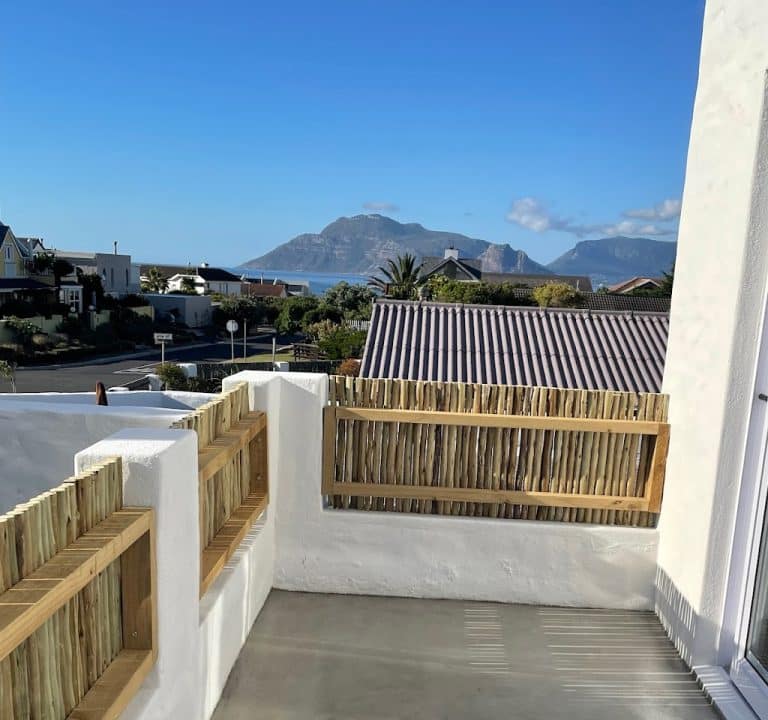
When choosing a property, several typical amenities are worth prioritising. Consistent Wi‑Fi is essential for some travellers, while a well‑equipped kitchen or breakfast service can save time in the mornings. A comfortable bed, good natural light, reliable heating or cooling, and clean, well‑maintained bathrooms make a stay much more pleasant. For a seaside stay, look for sea views or easy access to beaches and coastal paths. If you are exploring wine country or nearby nature reserves, a guesthouse with on‑site parking, a pool, and quiet corners to unwind after a day of sightseeing is particularly appealing. For longer stays, consider properties that offer self‑catering facilities or flexible room layouts.
Transport plays a crucial role in Cape Town. The city benefits from a reliable urban bus network in some areas and a number of hop‑on, hop‑off services aimed at visitors. MyCiTi buses and the railway can connect you with many attractions, while car hire remains the most convenient option for exploring the Cape Winelands, the Cape Peninsula, and the Cape Point area at your own pace. If you prefer not to drive, seek accommodation with easy access to reputable transfer options and nearby eateries. Proximity to safe, well‑lit walking routes and clear signage can make evenings out more enjoyable.
The best time to visit Cape Town depends on your priorities. The dry season from late spring to early autumn (roughly October to April) tends to offer the clearest skies, excellent visibility for Table Mountain cable car trips and optimal beach conditions. Summer days are long and bright, with pleasant evenings. If you enjoy cooler temperatures and dramatic Atlantic seas, winter brings brisk winds and a different energy to the coastline. Regardless of when you go, it’s wise to book well in advance for peak periods, particularly for popular seaside locations and vineyard stays.
Planning a balanced itinerary helps prevent fatigue. Start with a couple of anchor days in a central base, then plan circular drives or scenic routes that cover multiple sights. Include a morning hike up or around Table Mountain if the weather is favourable, followed by a visit to a cultural or historical site, a stroll through a market, and a seafood or Cape cuisine meal at a reputable restaurant. For wine lovers, a day trip to the Constantia or Stellenbosch wine routes can be a memorable complement to the city’s urban charm.
Practical tips for a smooth stay include:
- Choose a base by area that minimises daily travel time to your priorities, whether that is beaches, city sights, or wine country.
- Confirm transport options and parking arrangements in advance, especially if you plan day trips outside the city.
- Check for practical amenities such as laundry facilities, secure storage for luggage, and a flexible cancellation policy.
- Pack layers for weather that can change quickly, and include sunscreen and a hat for outdoor days.
- Respect local safety guidance, particularly around coastal areas and at sea‑level viewpoints with steep drops.
Cape Town is also a destination for food lovers, offering a range of experiences from casual bistro dining to refined seafood and farm‑to‑table menus. Rather than chasing specific restaurant names, look for places that highlight fresh ingredients, seasonal dishes, and localisation of flavours. Many areas feature lively markets and food courts where you can sample a variety of dishes in informal settings. It is worth reserving popular spots in advance during peak seasons, while exploring lesser‑known eateries on quieter weeknights can be equally rewarding.
For a well‑rounded stay, pair your accommodation choice with accessible local experiences. Alongside the famous natural landmarks, consider gentle walks on coastal paths, harbour views from waterfront promenades, and cultural centres that offer insights into the city’s history and contemporary arts. With thoughtful planning, Cape Town can deliver a layered itinerary that balances relaxation, nature, and memorable dining, all within a convenient travel radius.
In sum, a successful visit to Cape Town blends the right home base with a flexible plan for exploration. Seek accommodation that aligns with your preferred pace and scenery—sea views and urban accessibility, vineyard calm or mountain vistas—and couple this with a mix of iconic sights, scenic drives, and culinary experiences. By prioritising comfort, transport convenience, and the timing of your trip, you can craft a stay that feels both effortless and richly rewarding.