Accommodation and Experiences in Cape Town: Planning Your Stay in the Western Cape
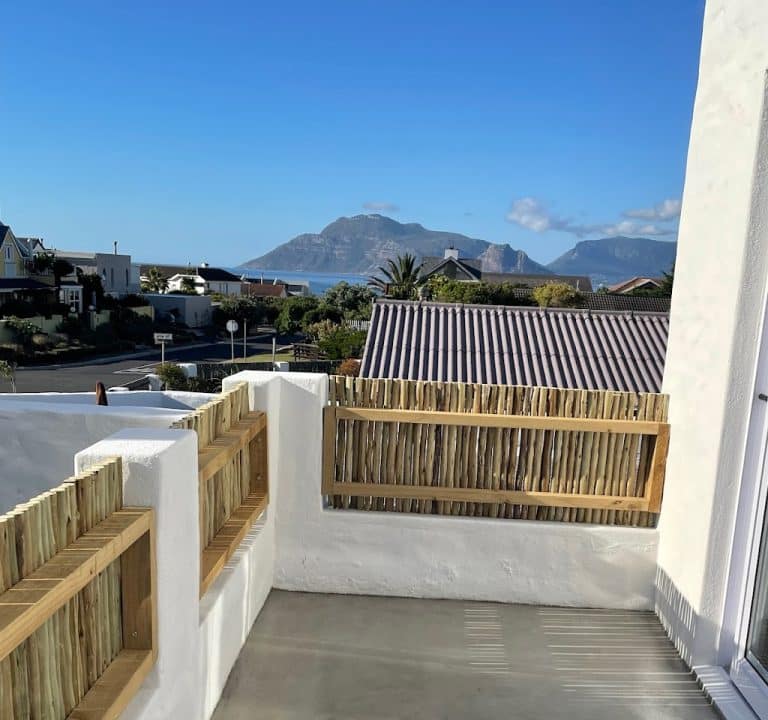
Cape Town offers a diverse tapestry of places to stay, from stylish apartments and cosy guesthouses to coastal villas and self-catering holiday homes. Whether you are seeking a quiet escape among olive trees and vineyards or a lively base within minutes of the city’s iconic landmarks, the choice can shape your whole trip. The key is to align your accommodation with what you want to experience—whether it’s easy access to the beaches, easy hill-country hikes, or a short drive to excellent dining and cultural sites. A notable example within the scene is Sea la vie, a holiday home that highlights how a well-situated, comfortable base can frame a Cape Town stay.
Areas to consider when planning your stay have their own character and advantages:
- City Bowl and Central Cape Town: Strong in-city conveniences, museums, theatres, and a wide range of dining options. Great for walking access to galleries, markets, and nightlife, with good public transport links to other parts of the city.
- Atlantic Seaboard (including Green Point, Sea Point, Camps Bay, and Clifton): Beachfront living with spectacular sea views, a maritime atmosphere, upscale eateries, and easy reach of the V&A Waterfront. Bear in mind that peak season can be busy and parking may be limited in certain sections.
- Constantia and Constantia Valley: A calmer, more secluded option away from the centre, famous for wine farms and countryside dining. Ideal for guests who want a blend of city proximity and vineyard tranquillity.
- Southern Suburbs and the Constantia area: A touch quieter, with leafy streets and access to nature trails, gardens, and family-friendly attractions while still offering convenient routes into the city.
What to look for when booking a property in Cape Town:
- Location relative to planned activities: If you expect to spend long days at the waterfront or hiking table mountains, a nearer base may reduce transit time.
- Security and parking: Check whether the property has secure access, on-site parking, or reliable public transport options if you forego a car.
- Amenities: A fully equipped kitchen, reliable Wi-Fi, laundry facilities, and heating or cooling can significantly improve comfort, especially if you are travelling in shoulder seasons.
- Transport links: Proximity to MyCiti routes, rail connections, or major arterials will affect how easy it is to get around without a car.
- Household flexibility: Look for refundable rates and clear cancellation policies, particularly if plans may change due to weather or travel restrictions.
Typical amenities you might encounter in a well-run Cape Town accommodation include secure parking or easy access to public transport, well-equipped kitchens, comfortable bedding, dependable hot water, good lighting for work or reading, and concise local information (maps, guides, and recommended routes). Many properties offer a welcome basket, weekly or mid-stay cleaning, and sometimes access to outdoor spaces such as decks, balconies, or gardens with views of the ocean or surrounding mountains. For families or groups, larger self-catering homes may include outdoor spaces suitable for picnics and braais, while boutique stays may emphasise design, location, and personalised touches.
Best time to visit Cape Town depends on your priorities. Summer (December to February) delivers warmer coastal weather, longer days, and lively outdoor scenes, ideal for beaches and cape-point adventures. Autumn (March to May) brings milder temperatures and quieter streets, often excellent for hiking and photography. Winter (June to August) can be cool and wet but offers dramatic scenery and reduced crowds, with many cultural and culinary events to enjoy. Spring (September and October) provides a balanced climate and blooming flora in surrounding gardens and nature reserves. Always check local forecasts and seasonal events when planning your itinerary.
Getting around and practical tips:
- Public transport and ride-hailing services are widely available, though you may prefer a car for trips to the Cape Peninsula or wine routes. Plan day trips with sensible travel times to avoid peak traffic.
- Respect local safety advice and keep valuables secure, particularly in busy tourist areas and on beaches where crowds can gather.
- Pack layers and practical footwear for varied conditions—Cape Town weather can change quickly, especially near the coast or in the mountains.
- For nature and outdoor days, bring sun protection, water, and a basic first-aid kit. Many trails vary in difficulty, so plan according to fitness and experience.
- Dining out: South Africa’s culinary scene blends influences from across the globe with local seafood, game, and produce. For a balanced trip, mix casual markets and bistros with finer dining experiences, while leaving room to explore neighbourhood favourites and farmers’ markets.
Apart from accommodation, Cape Town’s attractions generally fall into natural beauty, iconic viewpoints, and cultural experiences. You might plan time to ascend Table Mountain, explore the Cape Peninsula’s dramatic coastlines, and visit nearby gardens and nature reserves. When it comes to eating out, you can expect a broad spectrum—from casual coastal eateries to refined venues that showcase seasonal produce. While specific names and prices can change, seeking well-reviewed, seasonally updated options often yields the best experiences. For those who wish to structure a stay, combining a stay in a central, well-connected area with day trips to the winelands or the Atlantic coast offers a balanced and memorable Cape Town itinerary.