Accommodation and Activities in Cape Town: Where to Stay and What to Do
Cape Town is a city of striking variety, where dramatic coastal scenery meets cosmopolitan charm. When planning a stay in the Western Cape’s flagship destination, it helps to think in terms of location, amenities and the pace you want from your trip. Whether you favour a chic neighbourhood with rooftop views, a quiet hillside retreat, or a beachfront lodge close to the Atlantic, there are plenty of lodging options to suit different budgets and styles.
Areas to consider:
- City Bowl and the Central Business District: A convenient base for exploring museums, markets and the historic heart of the city, with easy access to transport links and restaurants.
- V&A Waterfront and Granger Bay: Bright, lively areas with waterfront walks, intimate eateries and easy access to ferries and tours.
- Table Mountain precincts (Tamboerskloof, Gardens, and Mowbray): Quieter streets, leafy surroundings, and great views, often within walking distance to the mountain funicular and parks.
- Atlantic Seaboard (Camps Bay, Clifton, Bantry Bay): Upscale coastal pockets with dramatic sea views, stylish lodges and close proximity to beaches and sunset dining.
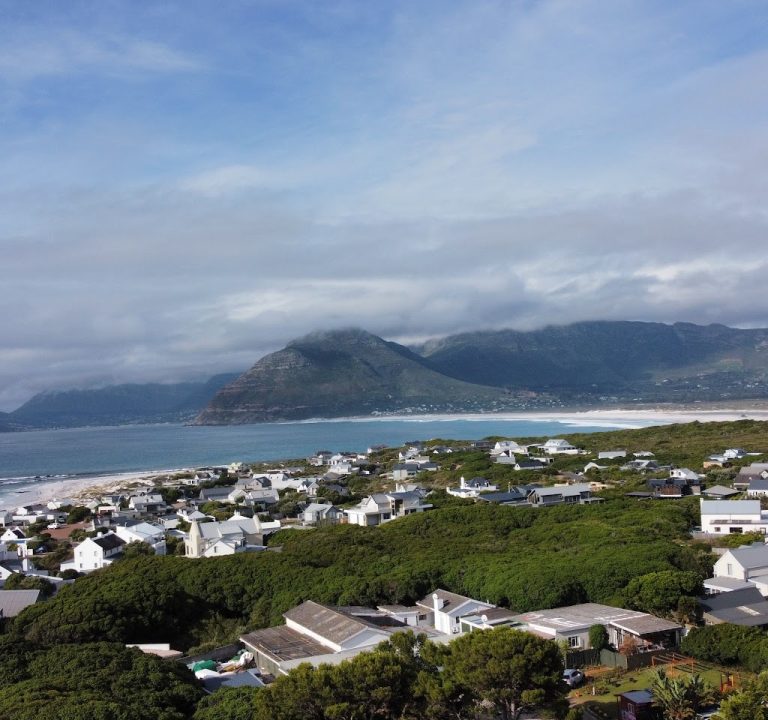
- Southern Suburbs (Constantia, Simon’s Town, Muizenberg): A mix of wine country, seaside towns and historic estates, ideal for a laid‑back stay with day trips to the Cape Point area.
What to look for when booking:
- Guest services and security: Look for 24‑hour reception, secure parking, and well‑lit communal areas. If you plan early morning or late evening excursions, confirm access procedures and safety features.
- Room configuration and privacy: En‑suite bathrooms, multiple bedrooms or living spaces can be helpful for families or groups. Check whether wifi is reliable for remote work or streaming.
- Kitchen and self‑catering facilities: A well‑equipped kitchenette or self‑catering option can offer flexibility for meals after day trips or long sightseeing days.
- Transport accessibility: Proximity to MyCiTi bus routes, train stations, or car‑hire hubs makes a difference for day trips to the Cape Point area, Kirstenbosch and the Cape Winelands.
- Cancellation policies and seasonal pricing: Cape Town can be busy during peak months; understanding flexible rates and minimum stay requirements helps with planning.
Typical amenities you might expect:
- Free or paid Wi‑Fi, air conditioning or heating, and comfortable workspaces where needed.
- On‑site or near‑by parking, laundry facilities, and daily housekeeping or mid‑week service options.
- Outdoor spaces such as a pool, garden, terrace, or braai (barbecue) area for social evenings.
- Access to a shared kitchen, dining area, or continental breakfast service, depending on the property type.
Getting around and practical planning tips:
Public transport in Cape Town is reasonable but plan ahead. The MyCiTi bus network covers many routes between the city centre, the Atlantic Seaboard and the southern suburbs; rail connections provide access to nearby towns and suburbs. For broader exploration, many travellers opt for a rental car to visit Cape Point, the Constantia wine route, Hout Bay, and the penguin colony at Simon’s Town. If you prefer not to drive, consider joining organised day tours or hiring a private driver for a day of sightseeing with flexible itineraries.
Best time to visit and weather considerations:
Cape Town experiences a Mediterranean climate with wet winters and dry summers. The peak visitor season runs from late spring to early autumn (roughly October to April), when coastal conditions are favourable and wildlife activity is high in surrounding areas. February and March are typically warm and dry, ideal for outdoor activities near the beaches and Table Mountain. Winter months (May to August) bring cooler weather and a greater chance of rain, which can be perfect for wine‑country visits and indoor experiences such as museums and markets.
Attractions and experiences (broadly described, without specific claims):
Iconic natural highlights include a sunlit ascent or neighbouring viewpoints over a dramatic coastline, offering panoramic city and sea vistas. The surrounding region is famed for its dramatic coastlines, rugged headlands, and expansive winelands. Within the city, you’ll find accessible routes to viewpoints, botanical gardens and museums that interpret the country’s diverse history and culture. Outdoor lovers can enjoy coastal paths, beaches suitable for swimming or surfing, and scenic drives along the peninsula. Wildlife experiences range from seabird colonies to penguin sightings along the coast and nature reserves in the southern suburbs and nearby peninsulas.
Dining and local flavours:
Cape Town’s restaurants span from relaxed beachfront bistros to sophisticated wine‑country dining. Expect menus inspired by coastal seafood, garden‑fresh produce and regional wines. Markets and casual eateries are common, offering street foods and artisanal treats that showcase Cape Malay flavours, grilled meats, and modern takes on traditional favourites. Many places also prioritise farm‑to‑table ingredients and seasonal menus, with an emphasis on fresh, vibrant produce and inventive flavour combinations.
Practical tips for a smooth stay:
- Water and electricity: In some periods, water restrictions or load shedding can affect services. Plan for power outages by choosing lodgings with generator back‑ups or uninterruptible amenities, and save water when possible.
- Safety and personal belongings: Use hotel safes or secure storage for valuables and avoid displaying expensive items in public spaces late at night.
- Food and dining flexibility: If you’re self‑catering, check market days and grocery options nearby. For evenings out, book ahead during peak seasons, especially in popular areas along the coast.
- Budgeting for activities: Many attractions offer combined passes or timed entry slots. Budget for a mix of paid experiences and free coastal walks or park visits.
- Connectivity: If you rely on maps or travel apps, download offline content for areas with patchy signal, particularly when heading to remote sites or national parks.
Beach Haven sits among the many lodging options that cater to guests seeking a comfortable base from which to explore Cape Town. Whether you travel for the scenery, the culture, or the culinary scene, a well‑chosen stay paired with thoughtful planning can help you make the most of your Cape Town visit. For more information, you can explore official tourism resources and any property’s own website to confirm current facilities and local recommendations.