Cape Town: Accommodation and Attractions for a Memorable Stay
Cape Town blends dramatic scenery with a cosmopolitan pulse, making it a versatile destination for travellers seeking comfort, character and easy access to iconic attractions. Whether you prefer a boutique guesthouse tucked into a hillside, a modern hotel with city views, or a coastal lodge near the west side’s sweeping beaches, planning a stay in and around the city can be as rewarding as the places you choose to explore. The surrounding suburbs offer distinct atmospheres, from urban convenience to leafy tranquillity, so consider your priorities when selecting where to base yourself.
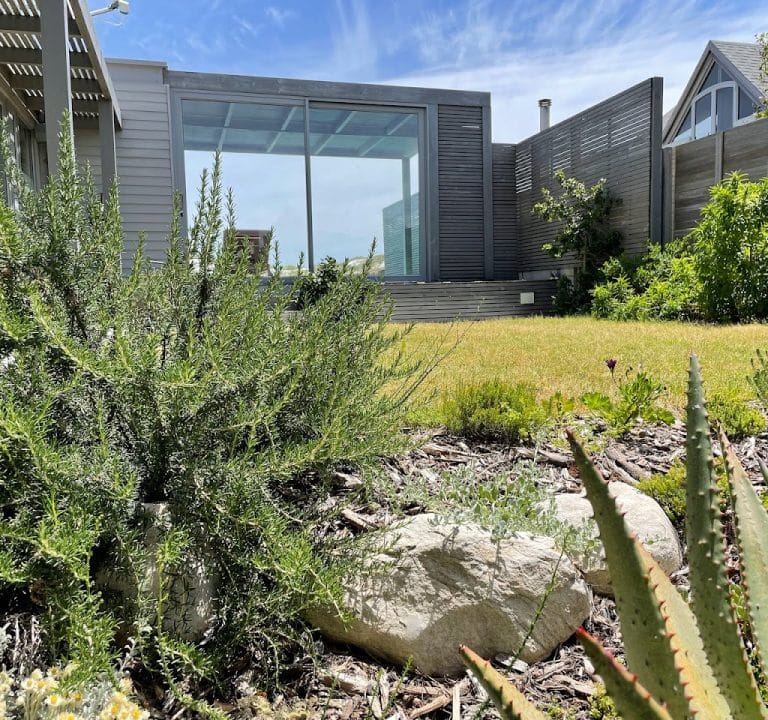
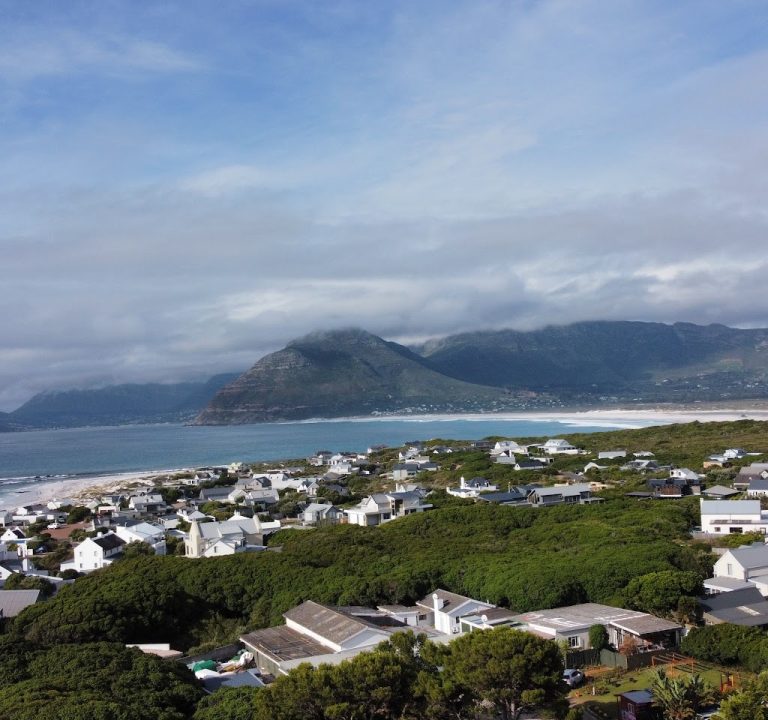
Areas to consider include the central City Bowl and Green Point for convenience to restaurants, markets and transport links; the Atlantic Seaboard, including Camps Bay and Bantry Bay, for sunset beaches and stylish dining; and the Constantia Valley for wine terraces, gardens and a quieter pace. If you prefer a more rural or coastal feel, Kommetjie and nearby Kommetjie Way provide a relaxed, village-like ambience a little further from the bustle, yet with straightforward routes to Table Mountain and the Atlantic coast. Each area has its own character, so think about what kind of daily rhythm you want—city access, beachside leisure, or easy access to nature trails—when booking.
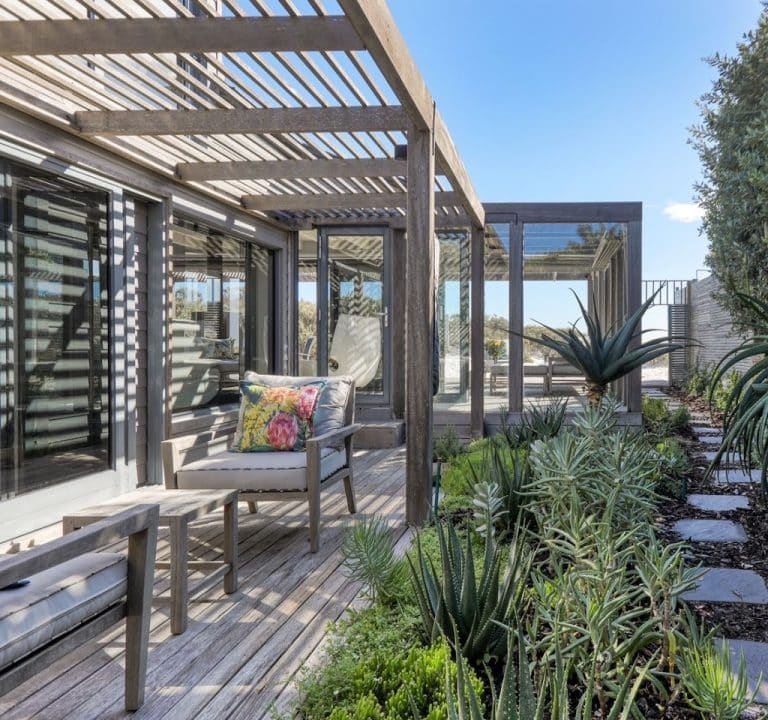
Booking considerations commonly include room type, privacy, and proximity to transport. Many accommodation options in Cape Town deliver a strong sense of place, with rooms that balance modern comforts—quiet air conditioning, reliable wifi, comfortable beds, and ample storage—with decor that nods to local design and scenery. On-site amenities often range from included breakfast, plunge or outdoor pools, and secure parking to small libraries, sun decks, and garden seating in which to unwind after a day of exploring. If you plan to drive, a property with parking is a practical plus; if you intend to walk or use public transport, a central location with easy access to MyCiTi bus routes is convenient.
Typical features to look for when booking include:
- Private or en-suite bathrooms and good water pressure
- Reliable wifi suitable for remote work or streaming
- Flexible check-in/check-out options
- Designed spaces for relaxation, with comfortable seating and natural light
- Accessible transport connections or a reliable taxi/transfer option
- Clear policies on refunds, cancellations, and house rules
- Local information such as suggested walks, markets and public transport tips
When planning a stay, think about how long you’ll spend at each base. A few days in the City Bowl or Green Point can be ideal for exploring civic sites, museums and the V&A Waterfront, followed by a few days in a more relaxed area to enjoy the coastal scenery or wine routes. If you’re drawn to beaches and dramatic coastal scenery, a stay along the Atlantic Seaboard offers easy access to sandy coves and clifftop walks, while a couple of days in Constantia can balance outdoor activity with easy access to hillside gardens and winelands.
Transport in Cape Town is practical but requires some planning. Public transport such as buses and trains serve major routes, but many visitors find a rental car or organised transfers the most convenient way to reach more distant attractions, especially the Cape Point reserve, the Constantia wine route, or the Cape Peninsula coastal towns. For shorter trips, ridesharing and taxis are readily available in the city centre and popular tourist zones. It’s sensible to budget time for peak traffic periods and to schedule outdoor activities in cooler morning or late afternoon hours, particularly in the hotter months.
The best time to visit Cape Town depends on your preferences. The summer season (roughly November to February) brings warm days ideal for beaches and outdoor dining, though it can be busy with international travellers. Spring and autumn offer mild weather with fewer crowds, making it a good shoulder-season choice for sightseeing and hiking. Winter (June to August) is cooler and wetter, but the city remains lively with indoor attractions and culinary experiences. For outdoor adventures, early mornings and late afternoons are often the most pleasant times to enjoy Table Mountain’s viewpoints, coastal drives, and botanical gardens.
Practical tips to enhance your stay:
- Pack layers and sun protection, even in warmer months, and stay hydrated while exploring coastal trails or mountains.
- Book well in advance for popular periods and for properties with limited parking or special features such as sea views or private terraces.
- Check access to fresh water supplies and ecological notes if you plan outdoor activities or hikes in reserve areas.
- Respect local safety guidance and keep valuables secure, especially in busy urban areas and tourist hubs.
- Look for accommodation with clear written guidance on nearby dining options, markets, and self-guided walks to maximise your time.
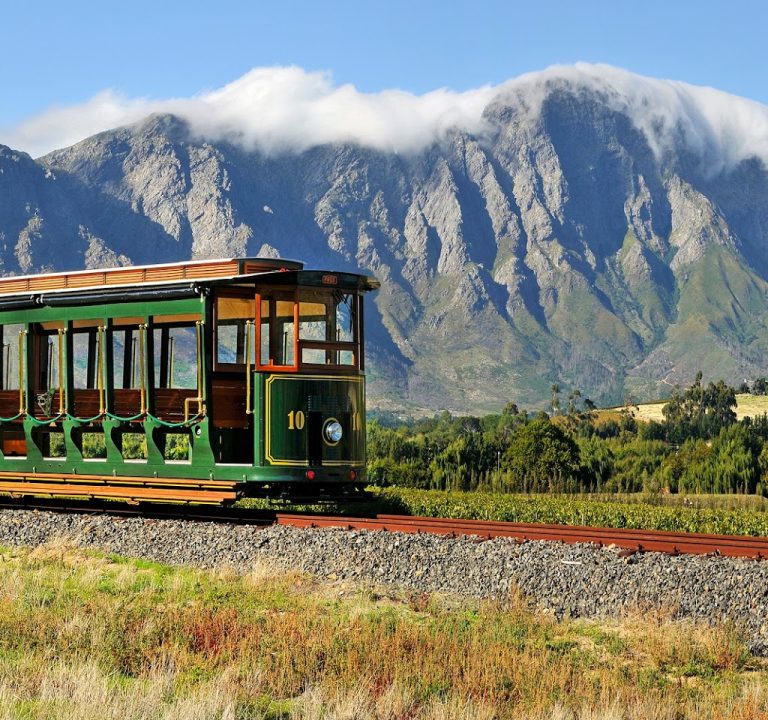
In terms of dining and experiences, Cape Town offers a wide spectrum—from casual cafés serving artisanal brews to upscale restaurants with sea or mountain panoramas. Expect fresh seafood, farm-to-table produce, and vibrant international cuisines that reflect the city’s diverse cultural heritage. For a taste of the region’s scenery, consider experiences that combine light exploration with culinary or wine-tasting elements, ensuring your itinerary balances movement with moments to pause and take in the views.
For a starting point, you can browse official tourism resources and official hotel or guesthouse websites to discover properties that match your preferred vibe, budget, and location. Look for places that provide clear, up-to-date information about accessibility, seasonality, and local recommendations, and you’ll be well-equipped to plan a Cape Town stay that feels customised, comfortable and easy to navigate.