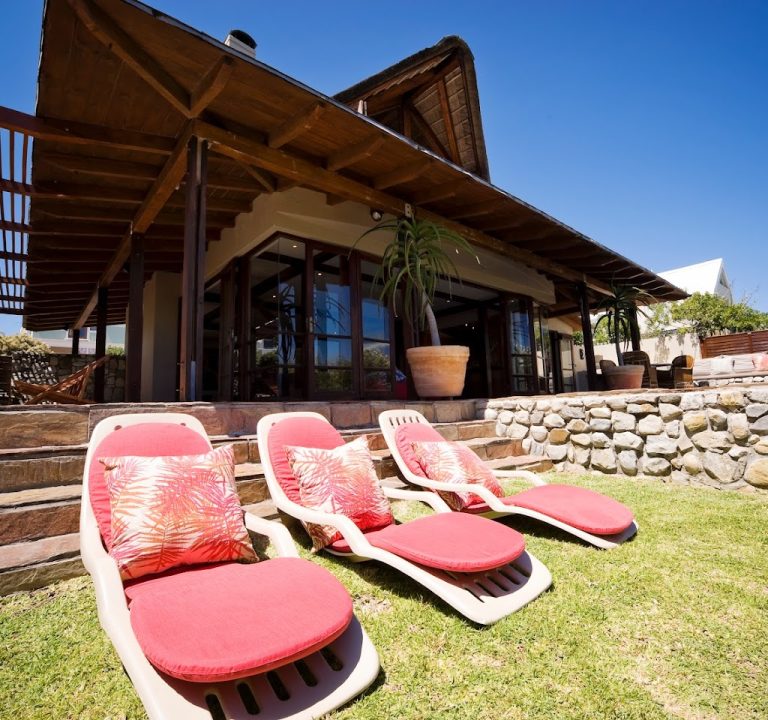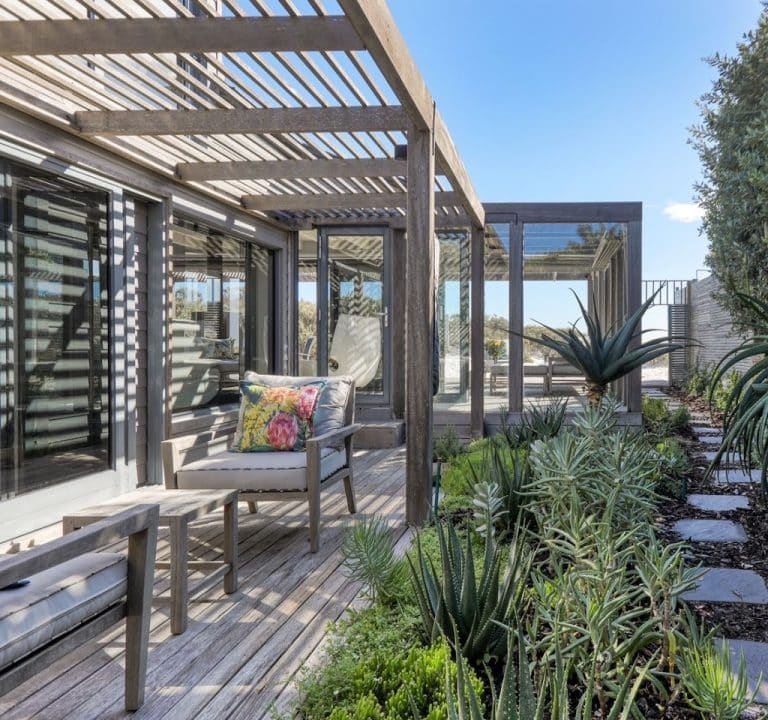
Kommetjie Beach Front Accommodation (Self Catering) is a Self-catering accommodation establishment in Cape Town, Western Cape, South Africa
About Kommetjie Beach Front Accommodation (Self Catering)
Kommetjie Beach Front Accommodation (Self Catering) sits along the edge of one of Cape Town’s most prized coastal enclaves. While the official site currently presents a 404 message and does not display the full range of details that travellers might expect, the property is presented as a self‑catering option that frames its appeal around direct access to the Atlantic shore and a relaxed, independent stay. The emphasis for visitors is on autonomy and comfort within a setting that keeps the sea and natural surroundings front and centre.
Situated in Kommetjie, a village renowned for its rugged coastline, rolling dunes, and protracted sunsets, the accommodation offering is positioned to appeal to travellers who value a straightforward, home‑like base for exploring the Western Cape. The self‑catering format suggests guests can tailor their days to personal rhythm—cooking meals in a private kitchen or kitchenette, taking advantage of indoor space when the weather turns, and stepping outside to the sounds of the ocean with minimal dependency on external dining arrangements. This approach often resonates with families, groups of friends, and couples seeking a quieter coastal escape without the constraints of a hotel or guesthouse service routine.
Because the exact room types, layouts, and on‑site facilities are not clearly stated in the available information, prospective guests are advised to consider the property as a practical, coastal‑minded option that prioritises ease of stay over a fixed, all‑inclusive package. Where details are lacking online, the core idea remains straightforward: self‑catering accommodation with a beachfront location, designed to support independent living during a Cape Town visit.
The surrounding area provides a sense of place that extends beyond the confines of the accommodation itself. Kommetjie’s shoreline invites long walks along sandy stretches and dramatic coastal scenery, while the broader Western Cape region offers a wealth of outdoor experiences. Visitors may find it convenient to pair days on the beach with short drives to popular local routes, nature reserves, and viewpoints that showcase the area’s rugged beauty and maritime atmosphere. The combination of sea access and natural landscapes makes the destination appealing for those who relish outdoor activities, fresh sea air, and a slower pace that is well suited to longer stays.
Potential guests are encouraged to consider the practicalities of a self‑catering stay when planning a visit. A private kitchen or cooking area enables preparing meals on site, while a self‑contained setup affords flexibility in daily routines. This can be particularly attractive for travellers who prefer to balance days spent on the coast with evenings in a peaceful, private living space. If precision about bedding configurations, bathroom arrangements, or exact amenities is required, it remains sensible to verify these details via the property’s official booking pages or alternative listings, noting that the current primary source presents limited information.
For travellers seeking a destination that pairs a beachfront location with the independence of self‑catering accommodation, Kommetjie Beach Front Accommodation offers a concept that aligns with those priorities. The arrangement supports a straightforward, low‑friction stay where guests can set their own schedule, enjoy the maritime atmosphere, and navigate nearby attractions at their own pace. The experience emphasises place, pace, and practicality over formal hotel services, catering to those who value space, flexibility, and direct access to the coast.
Booking and travel tips for prospective visitors include considering timing and weather patterns typical of the Western Cape coast. The area experiences a maritime climate with variable winds and temperatures that influence beach accessibility and outdoor activities. Checking the latest local conditions can help optimise plans for coastal walks, surf, or scenic drives along the neighbouring routes. Since the primary source provides limited on‑site specifics, it is prudent to review any official booking channels for up‑to‑date information on availability, rates, and any house rules that might apply to a self‑catering stay by the sea. Visitors may also explore nearby towns and attractions within a reasonable drive, allowing for day trips to iconic viewpoints, acclaimed coastal scenery, and regional culinary offerings while maintaining a comfortable home base.
- Consider a flexible itinerary to accommodate possible changes in weather or coastal conditions.
- Verify self‑catering facilities in advance to ensure they meet culinary needs and preferences.
- Plan for early mornings or late evenings by the sea, when the area tends to be tranquil and less crowded.
- Explore nearby coastal routes and nature viewpoints to maximise the Cape Town‑Peninsula experience.
- Check official travel pages for the latest booking information and any site‑specific policies.
Cape Town
Western Cape
Klein Slangkop, Cape Town
South Africa


Cape Town: A Guide to Accommodation, Local Experiences and Practical Planning
Cape Town sits at the edge of Africa’s southern tip, where dramatic coastal scenery meets vibrant city life. When planning a stay, think about the kind of setting that will tailor your experience: the buzz of the city in the City Bowl, the sea-sprayed views of the Atlantic Seaboard, the leafy tranquillity of Constantia, or the more relaxed surf-and-sand charm of the southern peninsula. Each area offers its own rhythm, transport links and access to key attractions, so choosing your base is a major part of the enjoyment.
Self-catering options and guesthouses are plentiful, ranging from intimate suites to larger apartments with fully equipped kitchens. For families or groups, a self-contained unit can be especially convenient, giving you the flexibility to plan days around the kids’ routines or a leisurely breakfast at home before heading out to explore. When selecting a property, consider what you want to savour most from your stay: panoramic sea views, proximity to beaches, easy access to the city centre, or a short drive to wine estates and nature reserves.
Accommodation in Cape Town often features practical amenities that make a difference. A well-equipped kitchen or kitchenette, reliable Wi-Fi, a washer-dryer, and on-site parking can streamline travel, especially if you’re renting a car to explore beyond the city. Look for properties with clear arrival instructions, friendly local hosts, and a clean, well-maintained environment. If you’re booking close to the water, check for secure access to the property, soundproofed rooms for restful nights, and outdoor spaces such as balconies or patios to enjoy the coast air.
Transport is a key planning element. The MyCiTi bus network serves popular routes within the city and along the Atlantic Seaboard, while Uber and local taxi services offer flexible options for evenings out. If you’re staying in coastal suburbs or deep into the peninsula, a car provides autonomy to visit beaches, viewpoints, and lesser-known coves at your own pace. Some accommodations include parking, which can be a practical benefit in busy areas.
The best time to visit Cape Town spans from late spring to early autumn in the Southern Hemisphere. November to March brings longer days, warm sea temperatures and lively outdoor scenes. Autumn (March to May) and spring (September to November) offer milder weather and lighter crowds, great for those who want a slower pace and a more intimate experience at attractions and restaurants. If you plan a trip around peak season, book well ahead for key weekends and important events, and be flexible about which neighbourhood you choose as a base.
Across the city, top attractions sit in a spectrum from natural wonders to cultural staples. Iconic viewpoints and hiking routes around Table Mountain reward those who take a cable car or a scenic trek up the bluff. The V&A Waterfront provides a mix of shopping, dining and waterfront ambience, while nearby parks and botanical gardens offer quieter respites. A day trip to the Cape Peninsula brings dramatic coastal scenery, penguin viewing at one of the penguin colonies, and charming seaside towns. For wine lovers, the Constantia and nearby Stellenbosch regions deliver acclaimed estates and cellar doors within an easy drive of the city.
When it comes to eating out, Cape Town’s dining scene covers casual eateries, eclectic bistros and refined venues with sweeping views. Many properties can point guests to neighbourhood favourites, from casual cafés serving hearty breakfasts to seafood-focused restaurants and modern South African cuisines. If you prefer a personalised plan, ask hosts or guesthouse staff for recommendations that match your tastes and the day’s weather. If you’re staying in a self-catering unit, a visit to a local market or harbour-side fish shop can be a delightful start to a day of exploration.
For travellers seeking specific places to stay, Kommetjie Beach Front Accommodation (Self Catering) is an example of a coastal option that emphasises self-contained living with sea access and village character. Such properties typically offer kitchen facilities, private spaces and easy routes to beach walks, nature reserves and country lanes that lead to hillside views. You can explore the property’s page for practical details, nearby beaches and suggested day-trip ideas, while keeping in mind general tips for coastal self-catering stays.
To help you plan and compare options, consider the following when booking your Cape Town stay:
- Location relative to activities you want to do (Table Mountain, beaches, wine regions, city sights).
- Availability of parking and public transport options.
- Kitchen facilities and laundry access for longer stays.
- Clear host communication, check-in procedures and proximity to supermarkets or markets.
- Safety features and secure access, particularly in busy neighbourhoods or beachside areas.
Finally, practical tips for a smooth trip: pack layers for varied coastal weather, bring reliable sun protection for days on the water or hiking, and plan a flexible itinerary that allows for spontaneous discoveries—an artisan cafe, a scenic lookout, or a quiet garden at sunset. Cape Town rewards curiosity with memorable landscapes, approachable hospitality and experiences that can be as relaxed or as adventurous as you wish. For further information about specific properties, many accommodation providers maintain websites with detailed descriptions, photos and booking policies—use those resources to tailor your stay to your own pace and preferences.
Sorry, no records were found. Please adjust your search criteria and try again.
Sorry, unable to load the Maps API.
Why Claim Your Listing?
Claiming your listing on the B&B Finder directory website is a valuable opportunity for business owners. Here are five reasons why you should consider claiming your listings:
Control Over Business Information: By claiming their listing, business owners can ensure that all the information presented is accurate and up-to-date. This includes details such as contact information, address, pricing, and available services or amenities. Accurate information helps prevent customer confusion and improves overall satisfaction.
Enhance the Listing: Once a listing is claimed, owners can enhance it by adding more comprehensive information and rich media, like high-quality photos and videos. These additions can make the listing more attractive and engaging to potential customers, thereby increasing the likelihood of bookings.
Marketing Opportunities: Claiming a listing can also open up additional marketing opportunities. Owners may be able to participate in promotional campaigns, special offers, and other marketing activities organized by the directory. This can increase visibility and attract more customers to the business.