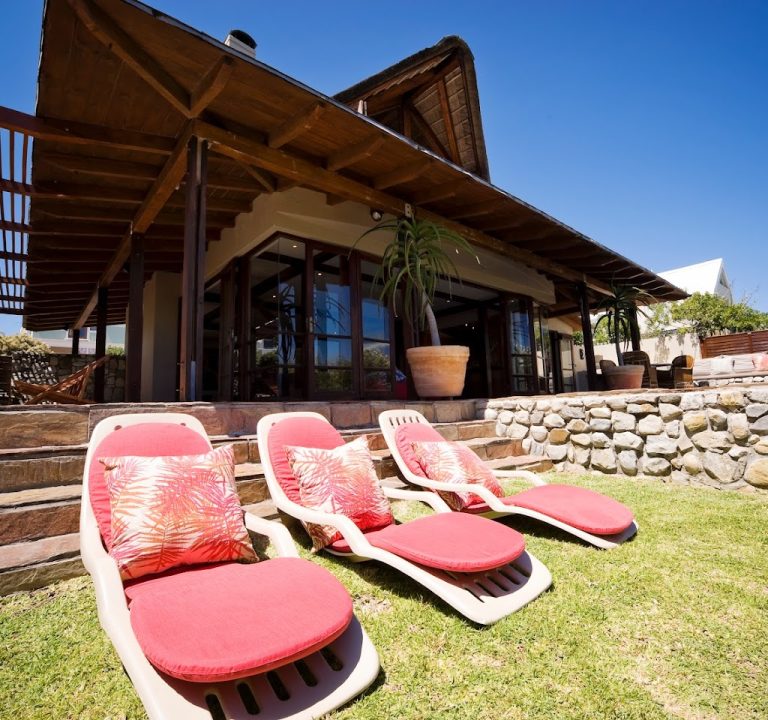
Accommodation and Essential Planning for a Stay in Cape Town, Western Cape
Cape Town offers a diverse tapestry of places to stay, from stylish city-centre apartments and family-friendly guesthouses to boutique inns tucked along the Atlantic coast. When planning a visit, think about what you want from your base: proximity to sights, easy access to transport, a view or a quieter neighbourhood, and the kind of atmosphere that suits your trip. The city’s neighbourhoods each have their own character, so choosing a district that aligns with your interests will streamline days of sightseeing and dining.
Popular areas to consider include the City Bowl for convenience and a cosmopolitan buzz, the Atlantic Seaboard for beaches and dramatic ocean scenery, and Constantia for wine-tasting and leafy tranquillity. Camps Bay and Clifton offer beachfront appeal, while Woodstock and the suburb of Green Point are excellent for accessibility to museums, cafés, and the waterfront. Hout Bay provides a more relaxed, harbour-framed vibe with close access to scenic drives and nature. For families or longer stays, Constantia’s guesthouses and self-catering options can feel like a village retreat, while the City Bowl hub is ideal for travellers who want to be within walking distance of galleries, markets, and nightlife.
When booking, consider the following practical points. Location matters more than it might at first appear: a short stroll to a MyCiTi bus stop or a nearby railway station can save time and reduce reliance on taxis. Look for properties with clear information about parking if you plan to hire a car, and check access details for stairs or lifts if you are travelling with luggage or mobility needs. For self‑catering stays, it helps to know whether a property provides a well-equipped kitchen, laundry facilities, and reliable Wi‑Fi, which can be essential for longer trips or remote work breaks.
Typical amenities to look for include comfortable beds with quality linens, secure access (for peace of mind), climate control or fans in hot summers, and dependable hot water. Fresh, inclusive toiletries, a good storage solution for clothing, and a well-stocked information directory about local transport, restaurants, and sights can elevate a stay. If you prioritise experience over conventions, some lodgings offer curated touches such as in-house recyclables, locally sourced toiletries, or guides to nearby markets, hikes, and viewpoints. For family trips or longer stays, a generously equipped kitchen or kitchenette, a living area, and a balcony or terrace with a view can be deciding factors.
Transport in Cape Town is costeffective and straightforward, though variable in peak periods. The city’s public transport network, including the MyCiTi bus service, connects major districts and the central business area with the Atlantic Seaboard and southern suburbs. Taxis and rideshare services are widely available, making day trips to attractions outside the centre feasible. If you plan to explore beyond the city, a rental car offers maximum freedom to visit beaches, wine routes, coastal paths, and nature reserves at your own pace.
Food, drink, and culture are integral to any Cape Town stay. The restaurant scene ranges from casual cafés with excellent coffee and wholesome breakfasts to seafood shacks along the harbour and fine dining with mountain views. Expect farm-to-table influences, a strong emphasis on seasonal ingredients, and a mix of cuisines reflecting the city’s accessibility to international travellers. To sample local flavour without over-planning, you might base a few meals around markets or neighbourhood spots recommended by your hosts or property guides. Remember that peak visiting hours can affect wait times, so it can be wise to reserve for popular venues or explore off-peak times to make the most of your stay.
Best time to visit Cape Town varies with weather and your plans. The spring months (September to November) and autumn (February to April) bring mild temperatures and fewer crowds, ideal for hikers and outdoor enthusiasts. Summer (December to February) offers longer days and beach weather, while winter (June to August) brings cooler, rainier days but a different, calmer atmosphere in many districts. Pack layers to cope with rapid changes in weather, a sunscreen for sunny days, and comfortable walking shoes for long strolls up Table Mountain, along the harbour, or through the city’s historic streets.
For a sampled itinerary, consider a base near a flat-ended embarkation point to the peninsula, with day trips to coastal towns and nature reserves. A balanced plan could mix a morning museum or gallery visit with an afternoon coastal walk, a sunset viewpoint, and a relaxed dinner at a neighbourhood bistro. If you are seeking a more immersive stay, look for accommodation that offers local recommendations, walking routes, or half-day experiences such as market tours, harbour cruises, or short nature excursions. Blue Whale Surf Shack, as an example of indoor lodging, can illustrate how a thoughtfully designed, comfortable space may work as a retreat after days of exploration, especially if it emphasises easy access to transport and a calm, well-equipped environment.
In short, Cape Town rewards guests who plan with flexibility and curiosity. Prioritise location and practical facilities, weigh the benefits of self‑catering versus full-service accommodation, and tailor your plans to the seasons and terrain you most want to enjoy. With its scenic drives, world-class dining, and a wealth of outdoor adventures, a well-chosen stay can become an integral part of your Cape Town experience. For ongoing inspiration and official planning resources, you can explore regional travel pages and visitor information online.