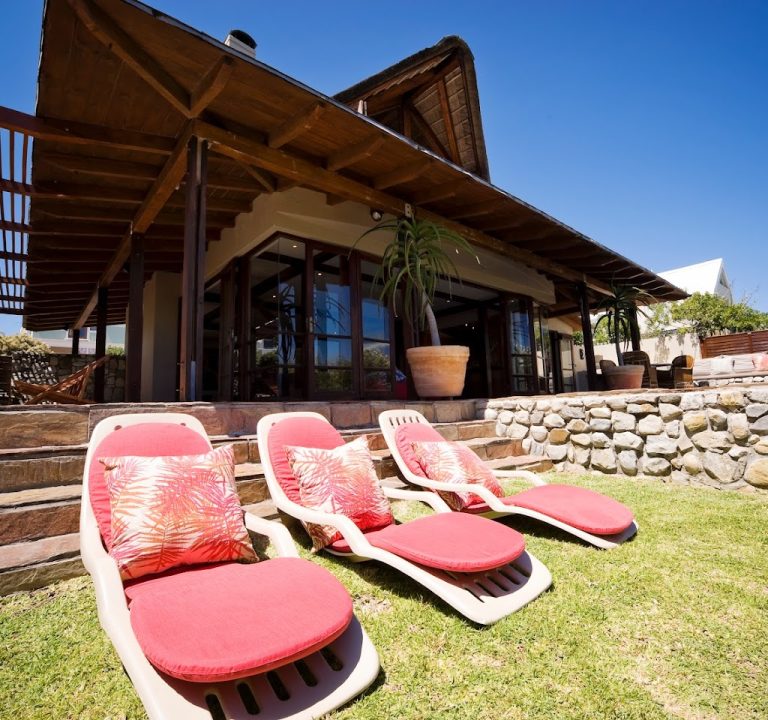
Blue Whale Lodge is a Self-catering accommodation establishment in Cape Town, Western Cape, South Africa
Blue Whale Lodge: A beachfront retreat on the Atlantic in Cape Town
Nestled along the edge of the Atlantic, Blue Whale Lodge presents itself as a serene beachfront holiday home in Cape Town, Western Cape. The setting is deliberately unspoilt, with the property bordered by a Nature Reserve and direct access to Long Beach. This combination of salty air, wide skies and natural spellfire creates a sense of escape from the bustle of city life, while remaining within easy reach of urban and coastal attractions.
The location offers a distinct coastline experience where guests can step from the door onto the sand and gaze out towards the ships circling the Cape of Good Hope. The backdrop features the iconic Chapman’s Peak, a dramatic coastal ridge that frames days spent watching the ocean’s moods. It is a place where sea life and expansive views coalesce, inviting visitors to slow the pace and simply absorb the maritime ambience.
A key draw for wildlife and water lovers is the opportunity to watch whales as they play close to the shore. The immediate beach environment is complemented by activities that celebrate the outdoors, from beach horse-riding to the thrill of power kiting and surfing. This is a destination where days can be planned around the rhythms of the sea and the wind, with coastlines offering chances to learn, observe, and participate in a variety of coastal pursuits.
Dining and living arrangements at Blue Whale Lodge are framed by the natural scenery rather than a reliance on manicured hotel facilities. Free WiFi is available, allowing guests to stay connected while enjoying the uninterrupted sea sounds and panoramic views. The property’s character is built on a sense of space, privacy and the soothing cadence of the ocean, making it an appealing option for travellers seeking a peaceful beachfront stay in a remarkable setting.
For those with an appetite for exploration beyond the shore, the lodge is conveniently positioned for access to Cape Town’s wider array of attractions. A scenic forty-minute drive can bring explorers to famed highlights such as The Waterfront, the Winelands, and Cape Point, ensuring that day trips can be woven into a relaxed beach-based itinerary. The surrounding region rewards visitors with a mix of natural beauty, historic towns, and well-established wine routes, all within reach for a day of discovery.
Water-based and coastal activities lie at the heart of the Blue Whale Lodge experience. In addition to opportunities on the water, the area is renowned for walking trails that let guests trace the coastline, exposing hidden coves and vantage points that reveal new perspectives of the Atlantic coastline. Golf enthusiasts will find nearby courses that offer the chance to combine sport with spectacular sea views, enriching a stay with varied outdoor pursuits that complement the beachside setting.
An intriguing facet of the lodge’s offering is its role in regattas and nautical adventures. A 40-foot cruiser/racer is available to take part in regattas and outings as guests, or for charter. This additional opportunity elevates the property beyond a simple accommodation, inviting visitors to engage with the maritime culture of the area in a hands-on, memorable way.
The lodge is best suited to travellers who seek a tranquil, nature-forward escape with strong ties to the coast. Couples and small groups looking for a private, unpretentious base from which to soak up sea views and the South African coastline will likely find Blue Whale Lodge a compelling option. It is equally appealing to those who value easy access to outdoor adventures—whether it is riding along the beach, gliding over the water, or exploring nearby landscapes and towns by car.
Nearby highlights extend beyond the beach and water activities. Cape Town’s major attractions are within reach for day trips, while the immediate coastline provides a wealth of natural scenery that invites slow exploration. Whether the aim is to observe marine life, enjoy coastal walks, or simply unwind with the sound of waves in the background, the lodge offers a gateway to a range of experiences that showcase the region’s natural beauty and maritime spirit.
Practical travel tips for prospective guests include planning around weather and sea conditions, which can influence the choice of activities. The lodge’s coastal position means that days can be shaped by seasonal wildlife and wind patterns, offering different kinds of enjoyment throughout the year. For those seeking connection to Cape Town’s broader offer without sacrificing a peaceful base, the property presents a balanced option: relax on the doorstep, with the option to venture to urban and rural attractions within a scenic drive.
For more information and to explore availability, curious travellers can visit the Blue Whale Lodge website. The site provides essential context for the rental experience, including location, surroundings, and the unique coastal opportunities that define this Cape Town retreat.
Cape Town
Western Cape
7976
South Africa


Cape Town: Accommodation, attractions and planning your stay
Cape Town offers a compelling mix of coastal scenery, mountain vistas and vibrant city life. When planning a stay, consider the different neighbourhoods and what they offer, from surf-friendly Atlantic shores to leafy galleries and coastal restaurants. A self-catering option such as Blue Whale Lodge can provide a relaxed base with room to move and a true sense of home, while still being within reach of the city’s top sights and activities.
Areas to consider include the Atlantic Seaboard for dramatic oceanfront views and easy access to beaches and promenades; the city bowl for walkable access to cultural attractions, markets and nightlife; and the Constantia Valley or Stellenbosch for wine regions and a more relaxed, rural ambience a short drive from the city. Each area has its own character, transport links and pace, so think about what kind of stay you want—beachfront convenience, a city-centre buzz, or a quieter countryside feel with quick routes to the Winelands and nature reserves.
Typical accommodations in Cape Town range from self-catering apartments and coastal cottages to boutique guesthouses and modern lodges. When booking, look for clean, well-equipped kitchens or cooking facilities, reliable Wi‑Fi, and flexible check-in options. If you plan to cook, ensure that the kitchen has essential appliances and basics. If you prefer hotel-style service, you can choose properties that offer daily cleaning, reception support, and on-site amenities like pools or lounges. For families or groups, look for multiple bedrooms and open-plan living spaces, or private villas with secure parking.
Transport is a practical consideration. Cape Town’s MyCiTi bus network and Uber/ride-hailing options cover most tourist routes, but a car is often the most convenient way to explore at your own pace, especially for day trips to the Winelands, Cape Point, Hout Bay or nearby coastal villages. If you stay near the Big City Centre or the Atlantic Seaboard, you’ll likely walk to cafes, markets and scenic viewpoints. For longer trips, check whether your accommodation offers parking or easy access to public transport.
The best time to visit Cape Town depends on what you want from your trip. Summer (November to February) brings longer days, beaches and outdoor events, but it can be busy. Autumn (March to May) offers milder weather and calmer crowds, ideal for light sightseeing and wine routes. Winter (June to August) is cooler and often wetter, yet still a good time for fewer tourists and dramatic ocean scenery. Spring (September to November) delivers fresh landscapes, bloom-filled parks and a lively culinary scene. Pack layers to adapt to changing conditions, and always check the forecast for wind and sea conditions if you’re planning beach days or coastal walks.
Practical planning tips include booking early for popular areas and ensuring flexible cancellation policies in case plans shift. Read guest reviews carefully to confirm the level of housekeeping, security, and fresh supplies. If you intend to dine out, Cape Town’s restaurant scene spans casual seafood shacks to fine dining, with options to suit various budgets and tastes. Many places emphasise local ingredients and seasonal menus, and some areas offer market mornings where you can sample regional produce and crafts.
When you’re researching a stay, it’s helpful to have a rough itinerary that balances accommodation-based downtime with key experiences. A sample day might begin with a stroll along a shore or promenade, followed by a morning visit to a museum, market or historic site. After a light lunch, a scenic drive or a wine-tasting excursion can fill the afternoon, with a harbour-side dinner or a sunset viewpoint as a fitting finale. If you’re staying in a self-catering property, you can tailor meals around a day’s exploration, cooking fresh fish, seafood or local produce with a bottle from a nearby winery.
Accommodation such as Blue Whale Lodge delivers a beachfront option for travellers seeking direct access to the Atlantic coast and nearby nature reserves, with the opportunity to observe marine life and coastal wildlife from the doorstep. It represents one of several self-catering or semi-self-catering choices that can suit families, couples or groups looking for a homely base near major sights. For more information on specific features, you can visit the property’s website: Blue Whale Lodge.
Finally, plan with sustainability in mind. Choose properties that manage energy usage, support local businesses, and minimise single-use plastics. Respect local regulations at beaches and nature reserves, and always follow guidance from hosts regarding tides, wildlife, and safety. With thoughtful planning, you can enjoy Cape Town’s stunning coastline, mountain backdrop and diverse neighbourhoods while staying comfortable, well-catered for, and connected to the best experiences the region has to offer.
Sorry, no records were found. Please adjust your search criteria and try again.
Sorry, unable to load the Maps API.
Why Claim Your Listing?
Claiming your listing on the B&B Finder directory website is a valuable opportunity for business owners. Here are five reasons why you should consider claiming your listings:
Control Over Business Information: By claiming their listing, business owners can ensure that all the information presented is accurate and up-to-date. This includes details such as contact information, address, pricing, and available services or amenities. Accurate information helps prevent customer confusion and improves overall satisfaction.
Enhance the Listing: Once a listing is claimed, owners can enhance it by adding more comprehensive information and rich media, like high-quality photos and videos. These additions can make the listing more attractive and engaging to potential customers, thereby increasing the likelihood of bookings.
Marketing Opportunities: Claiming a listing can also open up additional marketing opportunities. Owners may be able to participate in promotional campaigns, special offers, and other marketing activities organized by the directory. This can increase visibility and attract more customers to the business.