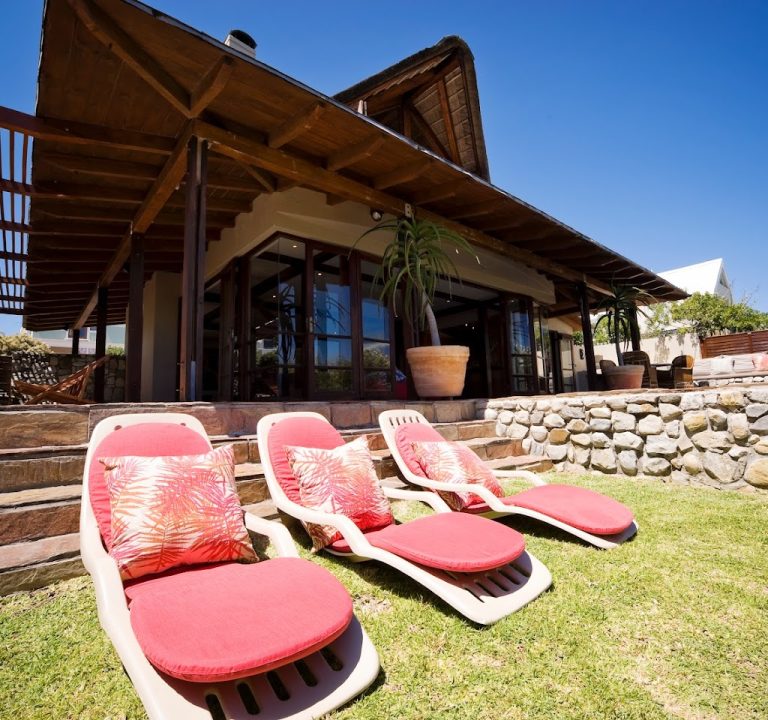
Accommodation and Experiences in Cape Town, Western Cape
Cape Town blends iconic scenery with a friendly, traveller‑oriented pace. When planning a stay, guests can choose from a range of accommodation styles, from intimate guest houses to boutique hotels and self‑catering apartments. In the Western Cape, the convenience of central districts sits alongside coastal hotspots, vine‑strewn valleys and mountain‑backed splendour. A well‑balanced itinerary often combines a comfortable base with day trips to nearby attractions and experiences that capture the city’s diversity.
One notable option across the region is the guest house, which often prioritises personalised service, stylish interiors, and a homely atmosphere. A guest house such as Sandegon, for example, may offer a warm base with thoughtfully presented rooms, light breakfast options and helpful local knowledge. When choosing similar stays, look for a property that aligns with how you like to travel—whether you prefer a quiet neighbourhood with easy access to scenic walks, or a lively area close to dining and nightlife. The surrounding area can shape your experience almost as much as the room itself.
Areas to consider when booking include:
- City Centre and the City Bowl for easy access to museums, theatres, and urban eateries.
- Atlantic Seaboard (including Camps Bay and Clifton) for beaches and views, with a selection of chic restaurants and bars nearby.
- Green Point and V&A Waterfront for a seaside ambiance and handy transport links.
- Bushmanskloof and the Constantia Valley for wine country close to nature and quiet streets.
- Observatory and the Southern Suburbs for a relaxed, authentic neighbourhood feel with easy access to Table Mountain hikes.
When you book, consider practicalities that affect daily life. Check parking arrangements (secure parking can be a premium in busy areas), whether breakfast is included or on a self‑caff option is available, and if there are convenient transport links—such as proximity to rail stations or bus routes. Many guest houses and boutique stays provide helpful guides on local routes, safety tips, and favourite family‑run eateries, which can be invaluable for first‑time visitors.
Typical amenities to look for include reliable Wi‑Fi, air conditioning or good heating, ample lighting, in‑room safes, and a thoughtful approach to guest comfort. A well‑appointed room often features quality bedding, adequate power outlets, and a private bathroom with essential toiletries. On the communal side, guests appreciate a comfortable lounge or veranda, a well‑equipped kitchen for self‑catering, and secure access to the property. Parking, sometimes with charger facilities for electric vehicles, is another practical perk near popular tourist hubs.
Transport in Cape Town is versatile. The MyCiTi bus network offers routes across many suburbs, while rail links connect the city with the surrounding Cape Town Metro and areas further afield. If you plan to explore wine routes, coastal towns, or beaches beyond the immediate city, a rental car can be the most liberating choice. Many properties assist with such arrangements or can point you to reliable private transfer options. In busy seasons, planning a rough daily outline with flexible timings helps avoid peak traffic and crowds at top spots.
Best time to visit Cape Town depends on preferences. Spring (September to November) brings colourful landscapes and milder conditions, ideal for hiking or outdoor meals. Summer (December to February) delivers longer days and beachside energy, great for coastal activities and sunset dining. Autumn (March to May) offers cooler, comfortable weather with fewer crowds, while winter (June to August) is quieter and good for indoor attractions, with the chance of scenic sea‑fog days and dramatic sunsets. If you’re seeking the best light for photography, late afternoons and early mornings around Table Mountain and the Atlantic coast are particularly rewarding year‑round.
Attractions and experiences span nature, culture, and cuisine. Natural highlights include panoramic viewpoints, scenic coastal walks, and easy hikes that showcase Table Mountain, the peninsula’s shoreline, and surrounding nature reserves. Cultural highlights range from markets and galleries to historic neighbourhoods with colourful architecture and storyteller‑led tours. Dining options provide a spectrum from casual coastal eateries to refined restaurant experiences. Many areas also offer contemporary cafés, tapas bars, and versatile wine‑tasting rooms, especially in the Constantia and nearby Stellenbosch winelands region. For a balanced day, pair a gentle morning walk with a lunch that features fresh seafood or seasonal produce, followed by a sunset stroll along the beachfront or a harbour promenade.
Practical tips for a smooth stay:
- Pack layers to adapt to Cape Town’s microclimates—coastal winds can be cooler than inland warmth, even in summer.
- Bring a universal adaptor for South Africa’s two‑pin plugs if your devices need charging in rooms with limited outlets.
- Budget for a mix of paid activities and free experiences, such as scenic walks and beaches, to balance the trip.
- Respect local safety guidelines and keep valuables secure when exploring markets or crowded routes.
- Check cancellation policies and resilience measures (cleaning, individual sanitisation, and flexible dates) when booking.
Whether you base your stay in a boutique guest house like Sandegon or in a centrally located boutique hotel, Cape Town offers a richly layered canvas for travellers. With careful selection of the neighbourhood, thoughtful packing and room choices, and a flexible, well‑paced itinerary, visitors can enjoy a memorable blend of coastline, nature, culture and cuisine—crafted to suit a range of tastes and budgets. For more inspiration, consult local guides and the property’s own recommendations to tailor a stay that truly embodies the spirit of the Mother City.