Cape Town: Accommodation, Attractions, and Practical Planning for a Memorable Stay
Cape Town sits between sea and mountains, offering a wide range of stays from stylish city apartments to sun-drenched beach villas and cosy guesthouses nestled in leafy neighbourhoods. When planning a visit, think about the kind of experience you want: vibrant urban buzz, scenic coastal views, or tranquil winelands landscapes a short drive away. Your choice of area will shape your daily rhythms, dining options, and travel times, so it pays to prioritise the vibe you crave as well as easy access to the attractions you most want to see.
The City Bowl and central contemporary districts are ideal for visitors who want doorstep dining, museums, and nightlife within walkable reach. If you crave dramatic coastline and beach days, look towards the Atlantic Seaboard, with its scenic drives and sunset views. For easy access to world-class wine estates and nature, the Constantia Valley and nearby Stellenbosch or Franschhoek offer country-house charm just beyond the city limits. For a more laid-back, family-friendly base, neighbourhoods inland from the southern suburbs can provide good value and quick routes to Table Mountain’s gondola, Kirstenbosch, and coastal nature reserves.
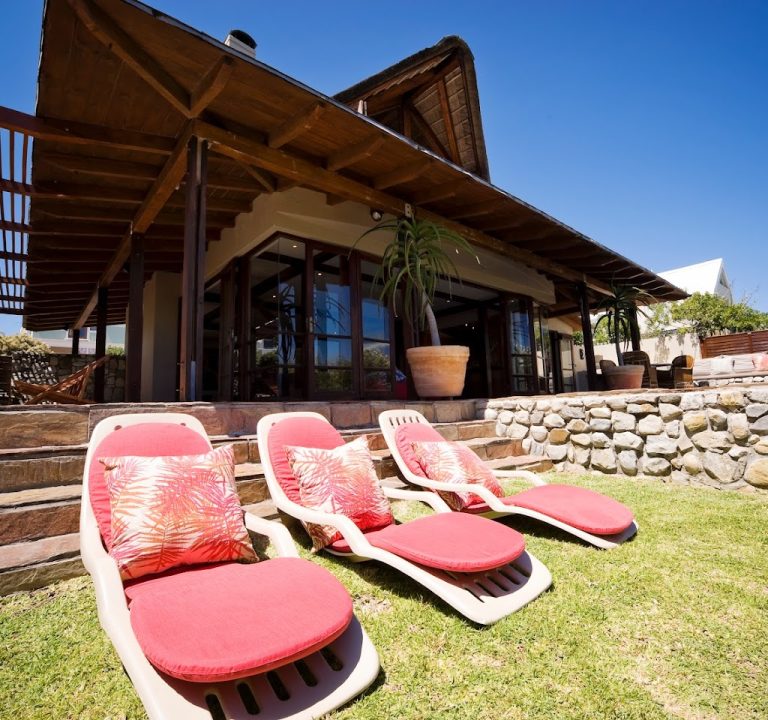
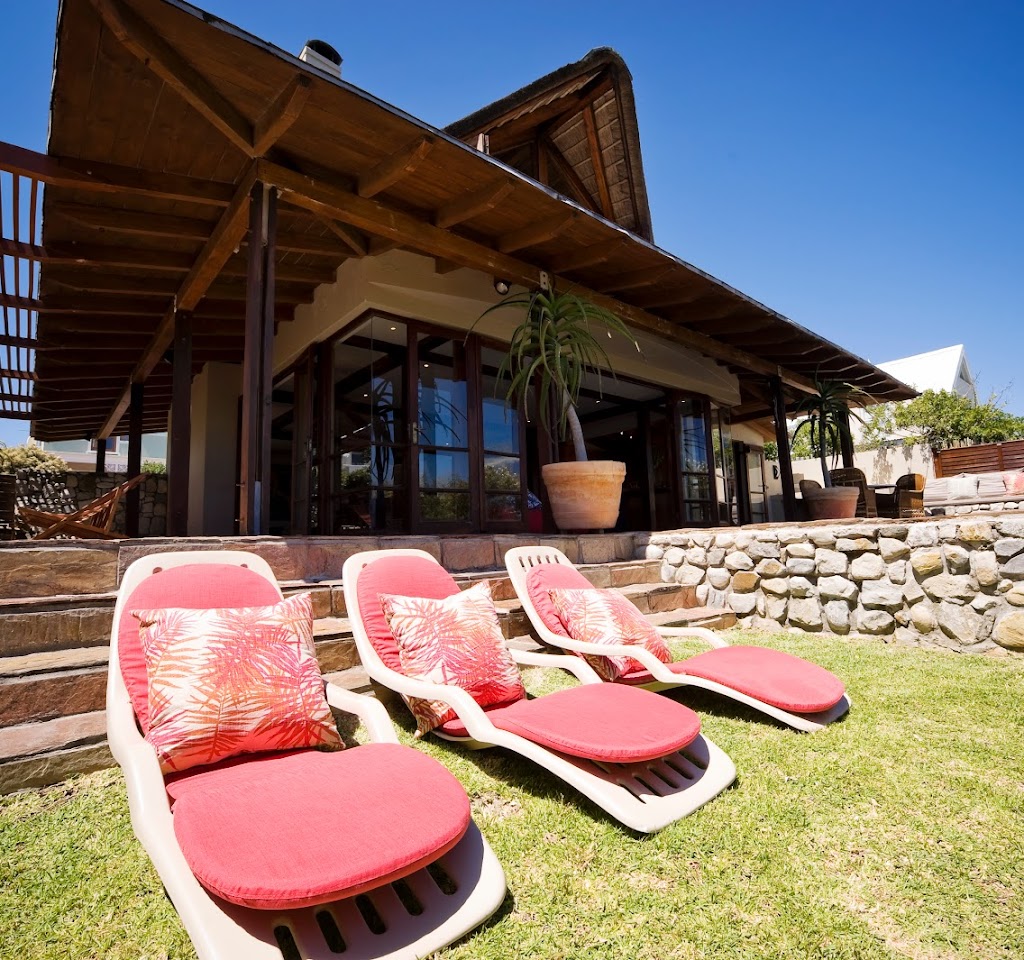
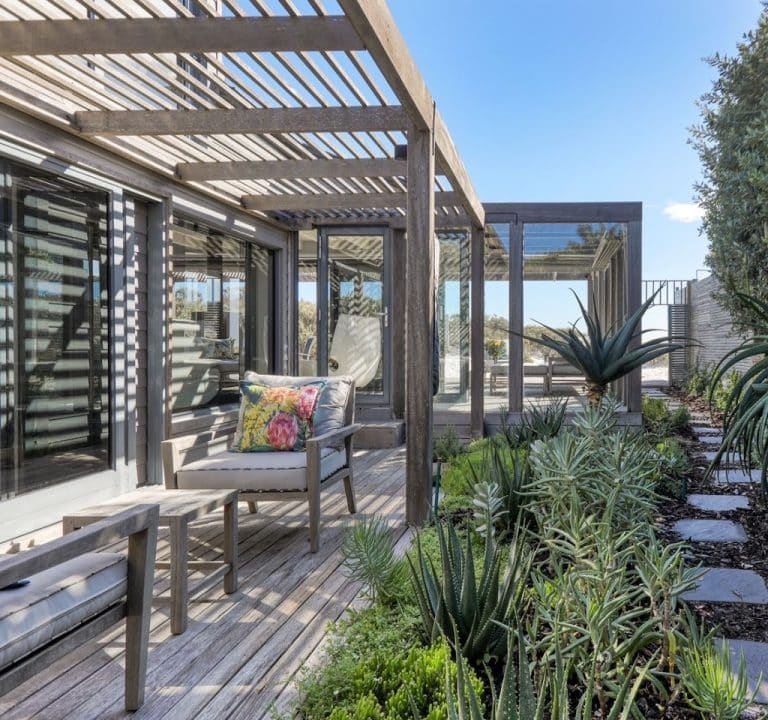
Typical accommodation in Cape Town ranges from boutique hotels and stylish B&Bs to self-catering apartments and holiday homes. Look for features that suit your needs: a fully equipped kitchen for flexibility, a comfortable living area for downtime after sightseeing, reliable Wi‑Fi for planning days or remote work, air conditioning or heating for unpredictable mid-year temperatures, and sufficient parking or easy access to public transport. For beach stays, a good view and a balcony or terrace often enhance the daily experience; for urban stays, a quiet bedroom and a convenient location near cafés, markets, and transit can be equally valuable.
When you are choosing where to stay, consider access to transport. Cape Town’s MyCiTi bus network is expanding coverage and can be a straightforward option for many routes. Taxis and ride-hailing services are widely available, and many hotels and guesthouses provide shuttle services or can arrange private transfers. If you plan to venture to the Cape Winelands or the Cape Peninsula via self-drive, a car can be convenient, though some guesthouses in city areas can be easily explored on foot or by ride-share.
The best time to visit Cape Town depends on what you want from the trip. Late spring and autumn generally offer mild temperatures, vibrant city life, and relatively calm seas. Summer brings longer days and warm conditions ideal for beach time, while winter can be quieter but equally rewarding for exploring museums, markets, and the famous scenery without the peak-season crowds. A flexible itinerary helps, as weather can be changeable in some seasons. If you plan outdoor adventures such as hiking or coastal walks, bring layers for the marine breeze and be prepared for sudden showers in transitional months.
Practical tips to maximise comfort and safety during your stay:
- Book accommodation with clear cancellation policies and written confirmation of all inclusions (housekeeping schedules, parking arrangements, self-catering details, and any limited access times).
- Check the property’s proximity to your planned activities and the availability of nearby shops, eateries, and medical facilities.
- Read recent guest reviews for notes on noise levels, privacy, and host responsiveness.
- Verify kitchen facilities if you intend to self-cater, including cookware, utensils, and fridge space.
- Confirm access to reliable Wi‑Fi and, if needed, a dedicated workspace or quiet room for work or study.
For planning ideas, you might consider a mix of experiences that showcase Cape Town’s celebrated geography and culture. Across the city, you’ll find vantage points with sweeping harbour or mountain views, historical districts with colourful architecture, and markets offering crafts and street foods. On the dining front, expect a spectrum from casual family eateries and casual cafés to refined restaurants that focus on fresh, seasonal ingredients. Where you dine, aim to sample a few casual neighbourhood spots alongside a couple of more distinctive venues to balance convenience with memorable flavours.
If you want a broader taste of the region, a day trip to the Cape Peninsula offers dramatic scenery, with coastal drives, sheltered coves, and viewpoints that reward a little walking with unforgettable panoramas. A short hop to the Constantia Valley or nearby winelands can weave in wine-tasting experiences and country-style hospitality, often paired with meals that highlight local produce. In the inner city, museums and galleries, vibrant markets, and street art provide a cultural thread that complements time spent outdoors.
For ongoing inspiration and practical arrangements, check official visitor resources and accommodation directories online. These sources can provide current listings, seasonal advisories, and suggested itineraries that suit a range of budgets and trip lengths. When you arrive, take a moment to acclimate to your neighbourhood, note the quickest routes to your must-see sites, and leave space in your plan for leisurely discoveries—Cape Town rewards unhurried days and spontaneous detours as much as structured itineraries.