Accommodation and Experiences in Cape Town: Where to Stay and What to Do
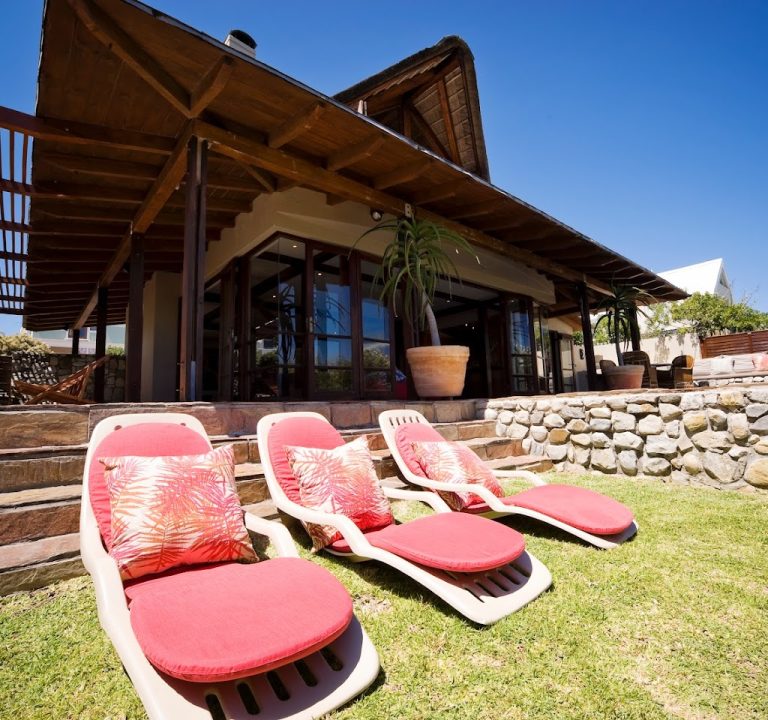
Cape Town offers a diverse tapestry of places to stay, from stylish boutique hotels near the waterfront to sunny guesthouses tucked into leafy neighbourhoods. When planning a stay, it helps to think about what you want from your visit: scenery, easy access to sights, or a vibrant urban scene. Baleen Beach House serves as a good example of a coastal, guest-friendly property choice, illustrating how many hotels and guesthouses in the area combine comfort with a sense of place close to the Atlantic seaboard.
Choosing the right area can shape your entire experience. The City Bowl and central suburbs provide easy access to museums, markets, dining, and nightlife, with a walkable urban vibe. The Atlantic Seaboard offers sandy beaches, dramatic scenery, and many contemporary accommodations with sea views. Constantia and the southern suburbs are ideal for wine routes, gardens, and a more tranquil atmosphere, often with larger rooms and quieter streets. If you want a waterfront mood, stay near the V&A Waterfront or along the harbour precincts, where hotels often place guests within reach of boat trips and ferries. For a family-friendly or retreat-style stay, look toward harbour-facing lodges or self‑catering properties in the southern suburbs or near Constantia.
When booking, look for a few practical qualities that can make a difference to your trip. A reliable front desk, helpful guest services, and a clear cancellation policy are valuable. A strong Wi-Fi connection is important if you plan to work remotely or stream evenings after a day of sightseeing. Safety features such as secure entrances, well‑lit surroundings, and in‑room amenities like a safe or adequate lighting can contribute to peace of mind. Consider whether you prefer en-suite bathrooms, a private balcony, or a kitchen/kitchenette for flexibility. A good breakfast option can save time in the mornings; alternatively, look for self‑catering facilities if you want to tailor meals to your plans.
Typical amenities you might encounter include air conditioning or efficient ventilation for Cape Town’s warm days, complimentary tea and coffee, minibars, daily housekeeping, and on-site parking. Some larger hotels offer fitness centres, spa facilities, and business lounges, while smaller guesthouses may focus on personalised service, bookable tours, and local insights. If you’re visiting during peak seasons, early booking is wise, and it helps to confirm whether the rate includes taxes or service charges and what the policy is around refunds or changes.
Transport is a practical consideration for getting around. In the city, ridesharing apps are widely used, and there are bus services connecting major districts. If you plan day trips beyond the city, check whether your accommodation offers airport transfers or can arrange tours to Cape Point, the Cape Winelands, or nature reserves. Some properties pair with trusted local operators for guided experiences, which can simplify logistics while still offering authentic, traveller-friendly options. If you prefer public transport, the MyCiTi bus network serves key routes, but services can be less frequent in the outskirts, so plan accordingly.
The best time to visit Cape Town depends on what you want from your trip. Spring (September to November) brings colourful gardens and mild weather, while autumn (March to May) offers pleasant temperatures and thinner crowds. Summer (December to February) is ideal for beach days and outdoor activities, though it can be busy with holidaymakers. Winter (June to August) is cooler and sometimes windy, but it can be a good time to enjoy cultural events and indoor attractions, often with fewer visitors. Pack layers for coastal breezes and sun protection for outdoor days on the Peninsula or at the beaches.
tractions and experiences to consider include the iconic Table Mountain and surrounding nature trails, a ride or cruise along the coast, and visits to viewpoints with sweeping city vistas. Cultural highlights extend to historic districts with colourful houses and markets where you can sample regional foods and crafts. For a more relaxed pace, explore Kirstenbosch National Botanical Garden, the Constantia wine route, and the Cape Peninsula's scenic drives along the费用 coastline.
- Do not overpack luggage: many areas have stairs, uneven pavements, or limited elevator access in older buildings.
- Book experiences with flexible cancellation when possible in case of weather or changing plans.
- Consider a mix of accommodation types (one night near the city, a couple of nights near the coast) to experience different neighbourhoods.
Restaurants range from casual cafés serving breakfast and light lunches to refined dining rooms that focus on seasonal ingredients. In general terms, Cape Town’s culinary scene emphasises fresh seafood, farm-to-table produce, and multicultural influences. Look for lighter meals during the day and plan more substantial dinners for when you have time to enjoy a slower pace. If you’re exploring the city’s neighbourhoods, you’ll find markets and street-food stalls that offer quick bites as well as sit‑down options with ocean views or garden settings.
In summary, Cape Town offers a broad spectrum of accommodation styles to match varied itineraries, from beachfront stays with sea breezes to central bases ideal for exploring museums and nightlife. Planning around the best areas, practical booking considerations, dependable transport, and flexible experiences can help you maximise your time in this remarkable destination. Whether you’re drawn by dramatic coastlines, wine country adventures, or city culture, a well-chosen base can enhance every day of your stay. For more inspiration and current listings, explore trusted travel sites and official tourism resources that reflect current offerings and practical tips for visitors.