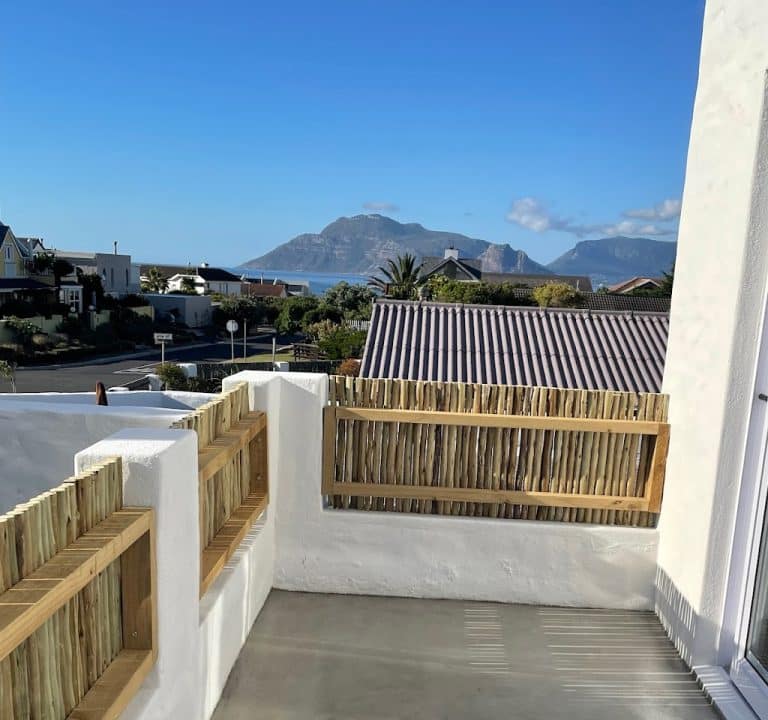
Where to stay and what to do in Cape Town: accommodation, dining and experiences
Cape Town is a city of contrasts, where mountainous scenery meets vibrant city life and pristine beaches. When planning a stay in the Western Cape’s most visited destination, it helps to think about the area you want to base yourself in, what amenities you value, and how you’ll get around. From stylish boutique hotels and self‑catering apartments to family‑friendly guesthouses and seaside lodges, there is a wide range of options to suit different budgets and travel styles.
Key areas to consider include the City Bowl for easy access to central sights and restaurants; the Atlantic Seaboard, including Camps Bay and Sea Point, for dramatic coastline and stylish dining; and the Southern Suburbs and Constantia for a more relaxed, leafy backdrop with excellent vineyard and nature access. The Green Point and De Waterkant neighbourhoods offer a mix of modern apartments and guesthouse stays with convenient access to the V&A Waterfront and the Cape Town Stadium. If you are seeking quieter pockets with spectacular views, short drives to the Constantia Valley or the Kirstenbosch area can reward you with tranquillity while still keeping you close to city amenities.
When booking, look for a few practical details to avoid surprises. Ensure your accommodation has reliable heating or air‑conditioning for the seasons, excellent Wi‑Fi if you need to work or plan days online, and clear information about access and security. For families, ask about unit layouts, child‑friendly facilities, and nearby parks or beaches. For couples or solo travellers seeking boutique charm, consider properties with personalised service, generous common spaces, and proximity to dining options. If you prefer self‑catering, verify kitchen facilities, supermarket proximity, and parking arrangements. And for those with mobility considerations, check elevator access and transport links from the door to the places you want to visit.
Typical amenities you can expect include hot drinks facilities, clean linen and daily or weekly housekeeping, well‑appointed kitchens or kitchenettes, and in some cases balconies with views. Many properties in Cape Town also offer secure parking, access to swimming pools, and garden or terrace spaces. In coastal areas, you may find sun decks and outdoor lounges. Accessibility varies by property, so it is worth confirming step‑free access, elevator availability, and nearby routes to major sights if required.
Transport in Cape Town is straightforward but can require a bit of planning. The MyCiTi bus system serves several popular corridors, including routes linking the city centre with the Atlantic coast and southern suburbs. Taxis and ride‑hailing apps provide flexible door‑to‑door travel, while a car can be a good option if you plan to explore beyond the immediate city centre, visit wine farms, or take day trips along the coast. Keep in mind that parking can be limited in busy areas, and some hotels or guesthouses provide on‑site parking or arranges secure parking nearby. For longer trips, consider a day‑tour operator or a guided outing to give you more time to enjoy scenic stops and viewpoints without the logistics of driving yourself.
The best time to visit Cape Town depends on what you want from your stay. Summer (December to February) brings warm, sunny weather ideal for beaches and outdoor activities. Autumn (March to May) offers mild temperatures and calmer crowds, with excellent conditions for hiking and vineyard tours. Winter (June to August) is cooler and can be windy, though it is a good time for those seeking fewer crowds and the chance to see cities with a less hurried pace. Spring (September to November) blooms with colour in parks and gardens, making it a pleasant time for road trips and city strolls. If you plan to visit Table Mountain, be aware that visibility can be best on clear days, and some activities may be subject to weather conditions.
Attractions play a central role in any Cape Town stay. Iconic viewpoints and natural landmarks offer memorable photo opportunities, while museums and cultural centres deepen your understanding of the city’s history and people. Coastal promenades, markets, and harbourfront areas provide a mix of shopping, street food, and waterfront ambience. For dining, Cape Town’s restaurant scene ranges from casual bistros with regional flavours to refined eateries that highlight seasonal produce and seafood. In general terms, you can expect menus that feature fresh South African ingredients, alongside cosmopolitan influences and international options. Many visitors enjoy trying local wine country experiences in nearby valleys, which can combine tastings with scenic drives and cellar tours.
Practical tips for a comfortable stay include packing appropriately for the climate, bringing adaptable clothing for both warm days and cooler evenings, and planning days to mix outdoor activities with time for relaxation. If you have specific dietary needs or accessibility requirements, contact your accommodation in advance to confirm suitability. It is also wise to book popular experiences and restaurant reservations ahead of time during peak seasons. For a balanced itinerary, aim to allocate days near the coast for beach and sunset experiences, and other days for urban culture, markets, and gardens. And if you are exploring beyond central Cape Town, map out distances and typical travel times to avoid rushing between sights.
As a reference point for stays with character in this region, you might encounter properties in varied settings—from stylish urban apartments to cosy guesthouses in residential streets, and hotels that blend contemporary comforts with local charm. For more inspiration, visit Cape Town’s official tourism pages and long‑standing travel portals that map accommodation by neighbourhood, price range, and style. These resources can help you compare options, read practical tips from other travellers, and plan a well‑rounded visit that balances rest with discovery.
- City centre and Gardens for easy sightseeing and food culture
- Atlantic Seaboard for dramatic scenery and near‑beach stays
- Southern Suburbs and Constantia for tranquillity and vineyard access