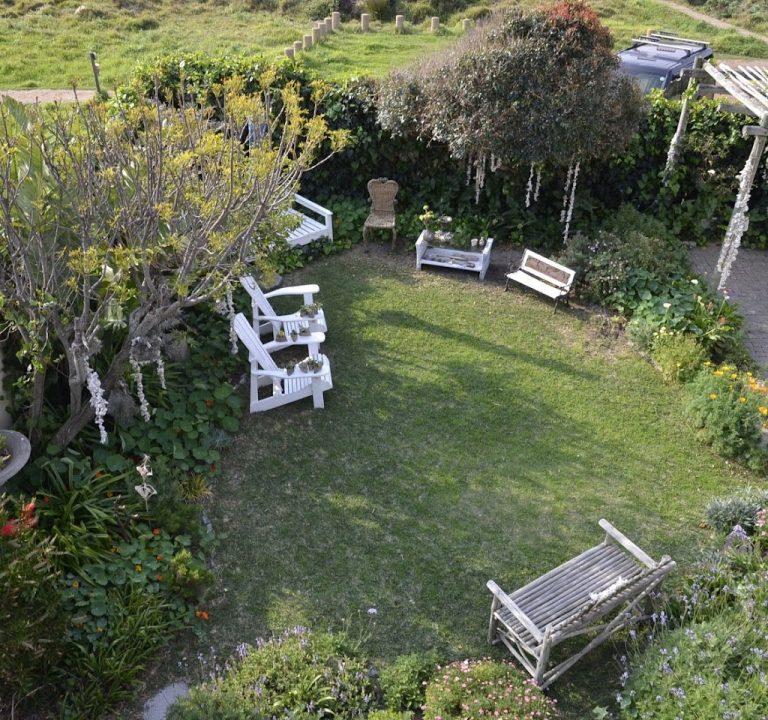
Shore Break: Accommodation and Experiences in Cape Town
Cape Town is a vibrant base for travellers seeking dramatic scenery, rich culture and easy access to a diverse mix of beaches, mountains and urban neighbourhoods. When planning a stay at Shore Break or similar ships-in-the-bottle hotels, consider the surrounding area as part of the experience. The city’s accommodation spectrum ranges from boutique guesthouses and lodges to contemporary hotels, many offering breathtaking views, easy coastal access and thoughtfully curated local touches.
Where to stay matters as much as how you experience the city. The Atlantic Seaboard, including Camps Bay and Clifton, is known for its palm-lined coastline and sunsets; the City Bowl offers a lively urban scene with restaurants, markets and museums; and the Constantia Valley provides vineyard routes and tranquil suburbs. For a shorter ride to major sights, the V&A Waterfront area is convenient for harbour views, while Bo-Kaap and the City Centre offer historical flavour and easy access to cultural sites. If you prefer green space, Kirstenbosch and the mountain trails nearby provide refreshing day trips without venturing far from accommodation hubs.
Typical amenities to look for when booking include reliable Wi-Fi, secure parking or easy access to transport, breakfast options, climate-controlled rooms or good heating for cooler months, and thoughtful extras such as a pool, a pleasant garden, or a balcony with views. In many Cape Town properties, you’ll find well-equipped self-catering options, on-site eateries, and friendly staff who can help arrange guided tours, with some hotels offering curated experiences or partner recommendations. When staying at a hotel such as Shore Break, you may be able to combine restful breaks with easy access to both beachfront days and city excursions.
Transportation in Cape Town is well served by public and private options. MyCiTi buses cover several routes into the central areas and along the Atlantic Seaboard, while in some neighbourhoods a taxi or rideshare can be convenient for evening dining. If you plan to explore beyond the city’s core, renting a car or booking a guided day trip can be very practical, especially for coastal drives to Cape Point, the Cape Winelands, or the scenic Constantia route. Some hotels offer shuttle services or can arrange private transport, which can be a time-saver during peak travel periods.
Best time to visit Cape Town is influenced by the seasons. Summer (November to February) brings warm days ideal for beach outings and outdoor activities, but be prepared for crowds at popular viewpoints and peak season rates. Autumn (March to May) and spring (September to November) offer milder weather and calmer streets, making it easier to enjoy led tours, hiking, and restaurant hopping. Winter (June to August) is cooler and wetter, yet it can be a good time for whale watching along the coast and discounted rates at certain properties. Always check the forecast for Table Mountain’s cloud cover, which can change views dramatically.
Dining in Cape Town is a highlight, with a spectrum of casual bistros, family-run eateries and high-end restaurants offering diverse cuisine. In and around major hotel districts you’ll find options ranging from seaside cafés to intimate tasting rooms, many of which emphasise seasonal produce and local ingredients. If you’re unsure where to start, ask staff for recommendations on close-by favourites, and consider booking a table ahead of time for popular dining spots. A walkable route around a compact area can reveal a surprising mix of flavours, from fresh seafood to modern South African fare.
When planning daily activities, balance must-do attractions with downtime at your lodging. Iconic experiences include a Cable Car ride up Table Mountain, a boat excursion to Robben Island, and a scenic drive along Chapman's Peak with stops for photo opportunities. Coastal walks, penguin viewing at Boulders Beach (near Simon’s Town), and wine experiences in nearby regions can fill multi-day itineraries. Museums and markets offer insight into the city’s history and contemporary culture, while parks and botanical gardens provide serene spaces for relaxed afternoons.
Practical tips for a smoother stay:
- Check the area’s safety tips and keep valuables secure, especially in busy tourist zones after dark.
- Ask about airport transfers or reliable transport options from the hotel, and inquire about shuttle services to major sights.
- Pack layers for variable coastal weather and a sun hat for peak sun hours, even on cooler days.
- Bring a universal adaptor; South Africa uses Type M plugs in many buildings, though some hotels provide adapters on request.
- Reserve popular dining and activity slots ahead of time, particularly in peak seasons.
For inspiration beyond your hotel’s doorstep, the Cape Town tourism network offers a wealth of resources, including maps, suggested itineraries and seasonal highlights. A visit to the official tourism website can help you tailor a plan to your interests, whether you’re drawn to coastal beauty, mountain adventures, historic districts or contemporary dining and arts.
In summary, Cape Town rewards travellers who balance accommodation choice with a flexible plan. Whether you stay in a stylish hotel such as Shore Break or in a charming guesthouse tucked into a hillside neighbourhood, prioritising neighbourhood character, convenient transport links and a mix of activities will help you experience the full spectrum of this remarkable city.
For more information about exploring Cape Town, you can explore resources such as Cape Town Tourism and plan visits that align with your interests, budget and pace.