Accommodating Cape Town: Where to Stay and What to Do
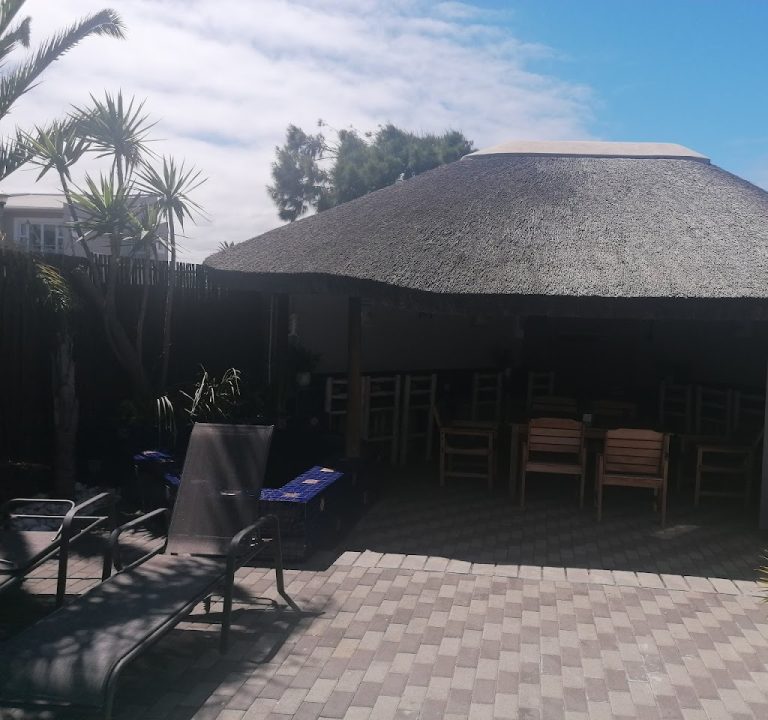
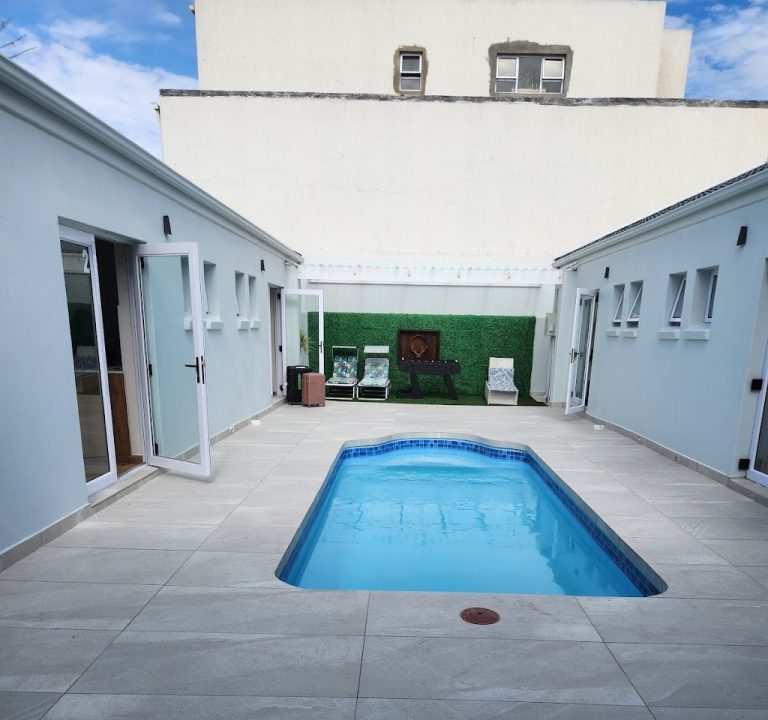
Cape Town blends dramatic landscapes with a rich mix of neighbourhoods, making it essential to choose an area that fits your travel style. Whether you are seeking sea views, easy access to restaurants, or a quiet base for wine-tasting trips, there is an option to suit. A convenient example is Atlantic Edge Bed & Breakfast, an establishment that highlights how a well‑located stay can combine comfort with easy exploration of the Atlantic Seaboard and surrounding sights.
City centre and the City Bowl offer convenient access to museums, galleries, and the vibrant food scene. Staying here is ideal for travellers who value walkable streets, short hops to attractions, and a lively atmosphere. The V&A Waterfront area provides harbour-front views and a selection of modern hotels and serviced apartments, with convenient access to boat trips, tours, and shopping. For those seeking coastal scenery, the Atlantic Seaboard, including areas such as Sea Point, Bantry Bay, and Camps Bay, offers stylish hotels, guesthouses, and boutique stays with sea breezes and dramatic sunsets. Constantia and the southern suburbs provide a leafy, quieter counterpoint with easy access to wine estates and green valleys, ideal for travellers who want a calmer base while still being within reach of the city’s highlights.
When planning a stay, think about transport and access. Cape Town’s hills, coastal routes, and busy streets can be navigated by a mix of Uber or local ride-hailing services, MyCiTi buses, and scenic drive routes. If you plan day trips to the Cape Point Nature Reserve or the winelands, consider staying in a central location and booking a guided or self‑drive day ahead of time. Some visitors find a blend of a few nights in a city‑centre hotel followed by a few nights in a guesthouse on the Atlantic Seaboard offers the best balance of convenience and scenery.
Booking considerations include room layout, view, and privacy, as well as practical amenities. Look for en‑suite bathrooms, a reliable hot water supply, air conditioning or good ventilation, and a comfortable bed with quality linen. In coastal areas, ask about sea‑view rooms and quiet corners away from street noise. A light breakfast or the option to enjoy a self‑catering setup can save time in busy schedules. If you are travelling with family or a group, family‑sized suites or apartment‑style options with separate kitchens can be especially convenient. Accessibility features, secure parking, and reliable Wi‑Fi are worth confirming if you need them for work or streaming entertainment after a day of sightseeing.
Typical amenities you may encounter include continental or buffet breakfasts, on‑site or near‑by dining options, rooftop or pool spaces, gyms, and concierge services. Some properties offer guided tours, assist with restaurant reservations, or provide bike and hiking gear for excursions. When staying near the waterfront or in the city, you may find easy access to business lounges, business‑friendly spaces, or in‑room work desks, which can be useful for travellers who mix work with leisure.
Attractions and experiences in Cape Town cover a broad spectrum, from natural landmarks to cultural experiences. Iconic Table Mountain remains a central draw—whether you take the cable car for panoramic views or hike one of the wooded trails. Robben Island offers a sobering tour of the former prison that housed Nelson Mandela, typically accessed by ferry from the harbour area. The Kirstenbosch National Botanical Garden showcases indigenous flora against a dramatic backdrop of mountains, and the Cape Peninsula route reveals rugged coastlines and wildlife in reserves along the coast. For a relaxed day, explore a mixture of markets, art galleries, and local eateries, with plenty of coastal walks, seafood shacks, and creative neighbourhood cafés to discover along the way.
When it comes to dining, Cape Town’s restaurant scene ranges from casual bistros to refined dining rooms that focus on seasonal ingredients. You can expect a strong emphasis on seafood, barbecue (braai) traditions, and global influences, with many venues offering menus that celebrate the Western Cape’s wine‑land produce. In neighbourhoods around the central city and the Atlantic Seaboard, evenings tend to be lively, with options for sunset drinks, live music, or relaxed coastal dining after a day of exploration. It is always wise to check opening times and book ahead during peak seasons, particularly in popular spots near the waterfront and within fashionable districts.
Best time to visit Cape Town generally spans from late spring to early autumn (October to April) when the weather is warm and the seas are inviting. That said, the city is vibrant year‑round, with the shoulder seasons offering fewer crowds and pleasant conditions for outdoor activities. Summer holidays bring a busier atmosphere, particularly along the coast and in popular markets, but the city’s energy remains a draw for many travellers. If you aim to combine sightseeing with wine‑tasting or hiking, consider early mornings for popular sites to avoid crowds and enjoy cooler temperatures later in the day for coastal routes.
Practical tips for a smoother stay:
- Book accommodation with secure parking or clear guidance on parking arrangements if you plan to hire a car.
- Check access to reliable Wi‑Fi and consider a local SIM card if your device allows easy data use for maps and trip planning.
- Plan day trips to the Western Cape’s attractions with timed entries or pre‑booked ferries and tours where possible.
- Pack versatile clothing to suit changing weather, especially if you plan to explore mountains or coastal paths.
- Respect local guidelines and be mindful of neighbourhood norms, particularly in historic areas with steep streets and traffic considerations.
Ultimately, Cape Town rewards visitors who balance comfort with curiosity. Ground your stay in a neighbourhood that suits your pace, choose accommodation that supports your itinerary, and allow time for the city’s breathtaking landscapes, culinary vitality, and welcoming cultures to unfold.