Accommodating Cape Town: Where to stay, what to expect, and how to plan your visit
Cape Town is a diverse and dynamic gateway to the Western Cape, offering options from charming guest houses tucked into leafy neighbourhoods to contemporary hotels with panoramic harbour views. When planning a stay, it helps to think about what kind of experience you want, how you’ll move around the city, and which neighbourhoods align with your interests. Whether you’re drawn to dramatic natural scenery, vibrant markets, or quiet coastal mornings, a well-chosen base can shape the rhythm of your trip.
In Cape Town, several areas cater to different moods and practical needs. The Atlantic Seaboard, including suburbs along the popular promenade and coastal roads, provides easy access to beaches, stylish cafés, and a cosmopolitan vibe. The City Bowl (Central Cape Town) is ideal for explorers who want to be close to museums, historic sites, and nightlife, with a concentration of guest houses, boutique hotels, and convenient transport links. Constantia and the southern suburbs offer a more tranquil, leafy setting with easy access to wine estates and nature. For families and first-time visitors, areas near the V&A Waterfront or the central business district combine security, convenience, and a pedestrian-friendly environment.
When choosing accommodation, consider a few practical factors. Proximity to the places you plan to visit can save time and transport costs. If you intend to rely on public transport or ride-hailing services, a location near main routes or within walking distance of attractions can make mornings smoother. For those seeking quieter evenings, look for guest houses or boutique hotels set back from busy streets, with soundproofing and reliable air conditioning for hot summer nights. Many guest houses in Cape Town specialise in a warm, personalised service, with hosts who can offer local tips and arrange day trips or restaurant recommendations.
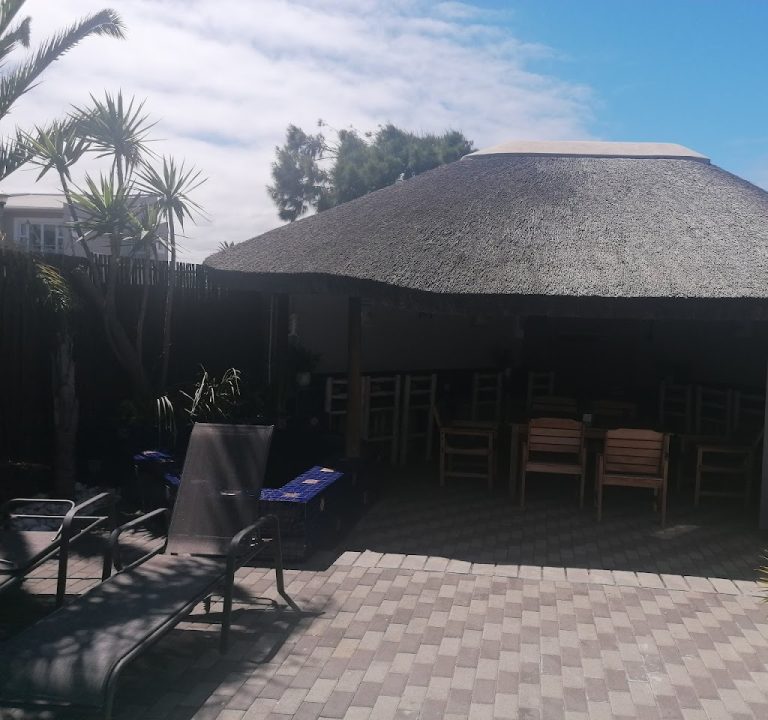
Typical amenities to look for include complimentary breakfast, secure parking if you’re driving, free Wi-Fi, and rooms that suit your group size—whether you’re travelling solo, as a couple, or with family. Some properties offer self-catering options or common lounges, which can be convenient after a day of exploring. Think about access to outdoor spaces as well; a patio, garden, or balcony can be a pleasant retreat after busy days, particularly in warmer months. If you’re travelling in peak season, early booking is wise, as popular locations can fill quickly.
Transport is a key consideration in Cape Town. The city’s scenic routes can be enjoyed by taxi or ridesharing services, but public transport is less comprehensive than some other major cities. If you plan extended stays or day trips outside the city, staying near main routes or a hub with easy taxi access can be helpful. Some guest houses organise airport transfers or local tours, which can streamline logistics, especially if you want to cover both iconic sights and lesser-known neighbourhoods.
The best time to visit Cape Town depends on your priorities. The summer months (roughly December to February) are popular for beaches and outdoor activities, with long daylight hours but frequent windy conditions in the Atlantic coastal areas. Autumn (March to May) and spring (September to November) offer milder weather and fewer crowds, ideal for city exploration and wine tasting trips in the nearby Constantia or Franschhoek regions. Winter (June to August) can be cooler and wetter, yet it’s a good time to enjoy indoor experiences, museums, and culinary scenes with fewer queues. Pack layers, sun protection for outdoor days, and good walking shoes for uneven pavements or hilly streets.
When planning an itinerary, balance the must-see iconic spots with opportunities to slow down. A day by the harbour or along the promenade provides harbour views, while a cable-car ride up Table Mountain (weather permitting) is a memorable highlight. The Cape Peninsula offers scenic drives and wildlife experiences, from penguin colonies to rugged coastal paths. In the city, you’ll find markets, cafés, and restaurants offering a range of flavours, from seafood and braai to modern international cuisine. Rather than attempting to cover everything in one trip, build a few anchor experiences—such as a Table Mountain visit, a waterfront stroll, and a winelands day trip—and leave space for small discoveries along the way.
Birkenhead Manor, a guest house understood for its welcoming atmosphere, is one example of a stay that combines practical comfort with a sense of place. Set within a residential area, it can offer a quieter base while still being convenient for access to attractions and amenities. For those researching options, it is worth visiting the property’s website to understand its rooms, facilities, and location within the city’s broader transport network: Birkenhead Manor.
To help with planning, here is a quick checklist you can use when comparing properties:
- Location relative to your planned activities and potential evening walks.
- Bedroom configuration and en-suite facilities for comfort and privacy.
- Inclusion of breakfast and availability of alternatives for dietary needs.
- Wi-Fi reliability and work-friendly spaces if you need to stay connected.
- Adequate security, parking options, and easy access to transportation.
- Staff knowledge of local experiences and permission to arrange tours or reservations.
- Cancellation policy and balance between price, value, and flexibility.
Ultimately, Cape Town rewards travellers who blend planning with a degree of spontaneity. A well-chosen base paired with a flexible mood can lead you to memorable food stalls, sunrise viewpoints, and conversations with locals about the city’s evolving character. By prioritising comfort, proximity, and a sense of welcome, you’ll be ready to explore this extraordinary corner of South Africa with ease and enjoyment.