Accommodations and Attractions in Cape Town: Planning a Fulfilling Stay
Cape Town offers a rich blend of scenery, culture and cuisine, making it an excellent destination for a well-planned stay. Whether you are seeking a cosy self-catering retreat, a stylish boutique stay, or a family-friendly lodge, the city and its surrounding neighbourhoods provide a range of options to suit different tastes and budgets. When planning your visit, consider which areas align with your priorities—scenic views, easy access to transport, or a lively urban buzz—and how you intend to spend your days.
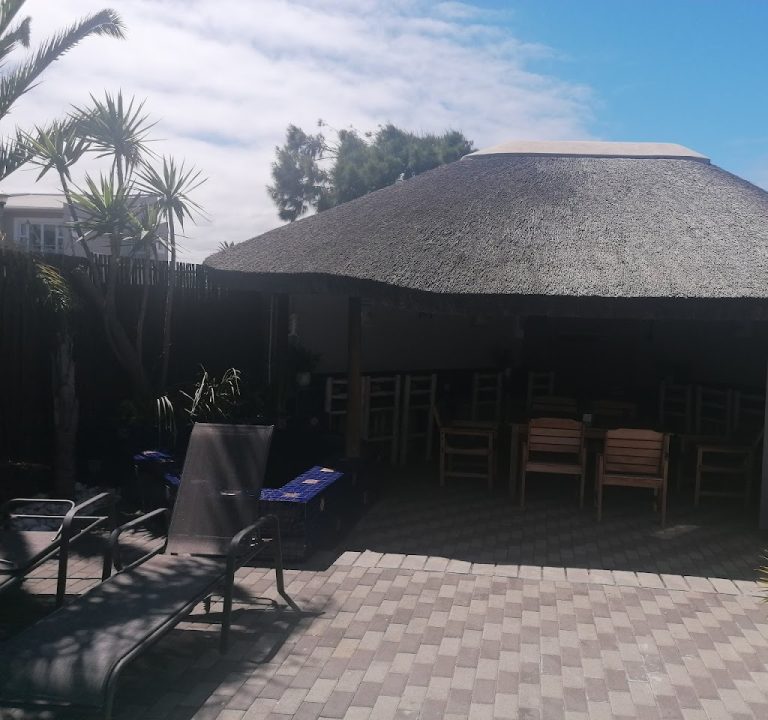
For self-catering travellers, options such as Cape Cove Guest Suites (and similar properties) can offer a convenient base with privacy and practical facilities. Look for light-filled living spaces, a well-equipped kitchen, reliable wi‑fi, secure parking, and clear access to local shops and public transport. Proximity to popular hubs, such as the Atlantic Seaboard for beaches, or the city centre for museums and nightlife, can influence daily itineraries and travel times.
Accommodation in Cape Town typically clusters around several key areas, each offering a distinct character. The City Bowl provides convenient access to cultural institutions, dining, and nightlife, while the Atlantic Seaboard (including areas like Camps Bay and Sea Point) is prized for coastal views and beach living. Constantia offers a more relaxed, leafy setting with easy access to wine estates and hillside trails, and the unusual charm of Bo-Kaap adds a cultural flavour with its colourful houses and historic spice routes. When choosing a base, weigh factors such as transport links, parking, kitchen facilities, and whether a dawn or sunset terrace is important to you.
Modern travellers often value practical on-site amenities. In self-catering or serviced stays, look for well-equipped kitchens, laundry facilities, secure access, good heating and cooling, and clear housekeeping arrangements. For longer visits, a dedicated workspace or reliable wi‑fi can be essential. In many neighbourhoods, you’ll also find guesthouses and small hotels that offer additional touches such as concierge help, guided tastings, or curated local experiences. Booking platforms often provide filters for breakfast options, parking, and accessibility—use these to tailor your search before committing to a stay.
When planning transport, Cape Town’s geography rewards those who balance exploration with travel time. The city’s MyCiTi bus network offers a straightforward way to reach Waterfront, Kirstenbosch, and major tourist hubs from central areas. Rideshare services and car hire provide flexibility for coastal drives along the Atlantic Seaboard, the drive to the Cape Winelands, or a scenic day trip to Cape Point. If you prefer not to drive, many visitor areas are walkable or bike-friendly, with scenic routes along the foreshore or the Table Mountain neighbourhoods close by. Check whether your accommodation provides easy access to public transport stops or has partner arrangements for airport transfers, if needed.
Timing your visit can enhance your experience. The city experiences warm, sunny summers and mild winters, but the climate varies with microclimates around the peninsula. For sea swimming and beach days, late spring to early autumn (October to April) offers the most reliable conditions, though seas can be cooler. Spring and autumn are also good for hiking and outdoor activities, with fewer crowds than the peak holiday months. If you are visiting for wine country or day trips along the coast, plan a couple of days to accommodate leisurely drives, tastings, and meals without rushing between attractions.
There are countless experiences that complement your stay, from scenic viewpoints and nature reserves to museums and neighbourhood markets. Iconic natural landscapes await, such as accessible viewpoints on the Table Mountain range and the dramatic coastline near coastal towns. Cultural and heritage sites offer insight into the region’s history and modern-day life. For dining, Cape Town’s restaurant scene emphasises seafood, grilled fare, world cuisines and farm-to-table menus that highlight local produce and wine pairings. In many areas you’ll find casual eateries, cafés with ocean views, and refined restaurants clustered in central and waterfront zones. Rather than focusing on individual outlets, seek areas known for their culinary variety and walkable streets where you can sample different offerings over the course of an evening or weekend.
To make the most of your stay, consider a simple planning checklist:
- Define your priorities: beach access, mountain views, cultural centres, or wine-tasting trips.
- Choose accommodation with the right balance of space, facilities and transport access.
- Check for essential amenities: kitchen facilities if self-catering, laundry, heating/air conditioning, reliable wi‑fi, and secure parking.
- Plan transport around your itinerary: public transit for city days, a car for coastal routes or wine country excursions, and rideshare timing for evenings out.
- Be mindful of seasonal weather and crowd patterns to target optimal times for activities and meals.
For those seeking inspiration online, official tourism resources and city guides provide up-to-date information on routes, seasonal events, and suggested itineraries. Always cross-check opening times and access requirements for attractions, as schedules can change with seasons or special events. With careful planning, a stay in Cape Town can blend comfortable accommodation with memorable experiences—scenic landscapes, diverse dining, and a rhythm that suits both slow Sundays and active days.