Accommodation and Experiences in Cape Town: Where to Stay and What to Do
Cape Town offers a diverse range of places to stay, from boutique lodges perched above dramatic coastlines to modern city-centre apartments with sweeping harbour views. When planning a stay, it helps to think about what kind of experience you want to have and which neighbourhoods will put you closest to your preferred activities. The city is compact enough to explore in depth, yet diverse enough that different areas feel like distinct destinations in one visit.
Areas to consider for your stay include the City Bowl, the V&A Waterfront and harbour fringe, the Atlantic Seaboard with its beaches, and the leafy southern suburbs such as Constantia and the old Cape Dutch veins of Constantia Valley. Bloubergstrand, known for its long white strand and iconic views of Table Mountain, offers a more relaxed coastal vibe and easy access to water activities and kite-surfing. If you are after a peaceful escape with garden-to-table dining and historic estates, the Constantia valley is a good choice. For nightlife, dining, and galleries, the City Bowl and the Kloof Street and Tamboerskloof corridors are convenient bases with a wide range of eateries and local experiences nearby.
When booking, consider the typical amenities that make a stay comfortable and convenient. Look for reliable air conditioning or heating, especially if you are visiting during peak summer or winter spells. A well-equipped kitchenette or the option to order breakfast can be a big plus if you want flexible mornings after a day of touring. Free, strong Wi‑Fi is essential for research, trip planning, and sharing photos with family back home. Private parking or secure access is worth confirming, as parking can be tricky in busier city pockets. Finally, check whether the property offers laundry facilities, easy access to public transport, and clear guidance on routes to major attractions.
Transport in Cape Town is practical but can vary by area. The MyCiTi bus network covers many routes across the city and into suburbs, making day trips to the V&A Waterfront, Table Mountain, and the Cape Peninsula feasible without a car. Uber and other ride-hailing services are widely used, particularly in the city and coastal regions. If you are planning to explore the Cape Peninsula in depth, a rental car provides the most flexibility for scenic drives and short detours to viewpoints and beaches. For those preferring a more relaxed itinerary, staying within easy walking distance of a local village or waterfront promenade can minimise travel time and maximise time on the sand or at a café verandah with a view.
Best time to visit Cape Town is often dictated by weather and the kind of outdoor experiences you want. The summer months (roughly November to March) are ideal for beach days, coastal walks, and outdoor activities on the Atlantic Seaboard. Spring and autumn offer milder temperatures and less crowded attractions, perfect for hiking in the Cape Winelands, visiting botanical gardens, and enjoying marine wildlife with fewer crowds. Winter (June to August) is cooler and rainier, but the city’s indoor attractions—museums, galleries, and cellar doors—create a cosy, contemplative itinerary, especially in Constantia’s wine routes and nearby towns.
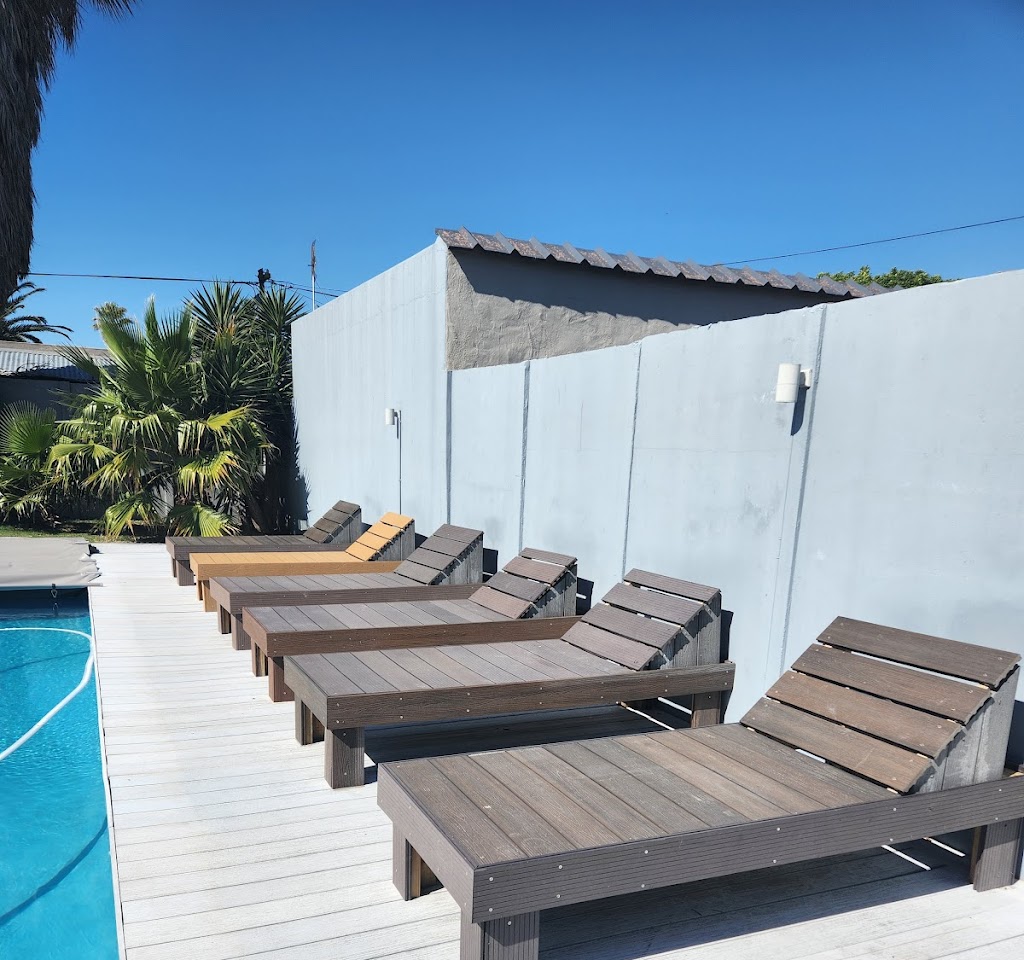
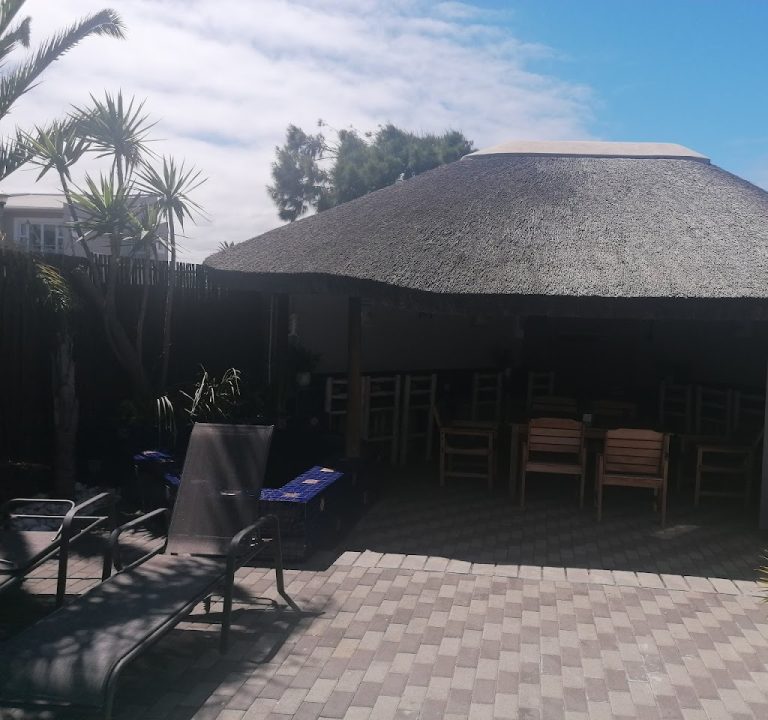
Accommodations in Cape Town range from intimate lodge-style properties to contemporary guesthouses and self-catering apartments. A lodge with a light, airy common area, terrace seating with sea or mountain views, and a friendly, knowledge-rich host can feel like a home away from home. In Bloubergstrand, lodge-style properties may offer quick access to the beach, sea breezes, and a calmer neighbourhood ambience while remaining within easy reach of the central sights by car or taxi.
When planning a stay, consider how your lodging sits in relation to your planned activities. A base near Table Mountain for scenic hikes or cable-car rides offers mornings with dramatic vistas, while a location near the V&A Waterfront suits travellers who want easy access to harbour cruises, museums, and a wide choice of restaurants. For a longer, restorative break, a lodge or guesthouse in the Constantia valley or in nearby seaside towns can pair wine-tasting with leisurely lunches and garden walks.
Practical tips for a smooth stay:
- Read guest reviews with a focus on cleanliness, host responsiveness, and accuracy of listings.
- Confirm access times for check-in and check-out, especially if you have late flights or early connections.
- Ask about security features, parking arrangements, and neighbourhood safety information.
- Inquire about recommendations for day trips, local markets, and family-friendly or adult-only options.
- Check cancellation policies and consider travel insurance if your plans may change.
Beyond the room, Cape Town offers a treasure trove of experiences to complement your stay. In general terms, you might build in time for a scenic drive along the Atlantic coast, a day trip to the Cape Peninsula with its dramatic viewpoints, and a visit to the nearby winelands for a tasting session paired with a relaxed lunch. Dining options range from casual seaside eateries to elegant restaurants within walking distance of many lodges and guesthouses. Local cafés and bakeries provide fresh pastries, hearty breakfasts, and light lunches, while markets and street food areas offer a chance to sample regional flavours in a casual setting.
For travellers seeking a balanced itinerary, a combination of restful mornings at the lodge or guesthouse, short coastal strolls, and a couple of cultural or natural excursions can provide a well-rounded Cape Town experience. With careful planning around location, amenities, and transport, your stay can feel both effortless and wonderfully immersive.