Accommodation and experiences in Cape Town: planning a memorable stay
Nestled between the Atlantic seaboard and dramatic mountain peaks, Cape Town offers a diverse range of places to lay your head, from historic guesthouses and boutique B&Bs to modern hotels and self-catering lodges. When planning a stay, it helps to think about what you want to get from the city: coastal views, easy access to table-top adventures, or a neighbourhood with plenty of eateries and cultural flavour. Cape Town’s accommodation tends to cluster around a few well‑defined areas, each with its own character and advantages.
Sea-facing stays along the Atlantic Seaboard provide shimmering sunrises, promenades for morning jogs, and proximity to beaches, seafood spots, and stylish cafés. The city centre and the nearby harbour areas offer convenient access to business facilities, museums, galleries, and night‑life, with a walkable urban vibe. Constantia and the Constantia Valley present a contrasting option for those seeking leafy tranquillity, vineyards, and fine dining. For families or travellers seeking a mix of nature and culture, leafy suburbs like Southern Suburbs can provide quieter streets while still offering straightforward access to the city’s sights. When choosing a base, consider travel time to the attractions you most want to visit and how you plan to move around the city.
What to look for when booking a property in Cape Town varies with the area and the type of stay. Look for clear communication from the host or management, flexible booking policies where possible, and accurate descriptions of rooms, communal spaces, and amenities. A good B&B or guesthouse will typically offer a comfortable breakfast setup, attentive service, and spaces that feel welcoming and lived-in rather than institutional. For hotels and self‑catering options, check for reliable Wi‑Fi, air conditioning or heating, adequate lighting, and practical storage. If you value a sense of community, a guesthouse with a shared lounge or garden can be a plus; if privacy is paramount, a well-appointed en-suite room or an apartment-style unit may suit you better.
Amenities commonly encountered in Cape Town accommodation include en-suite bathrooms, complimentary tea and coffee provisions, secure parking or easy street parking, and access to a patio or balcony with views. Many properties prioritise sustainability, offering energy-efficient lighting, filtered water, and recycling options. Some B&Bs arrange guided experiences or provide curated information on local walking routes, markets, and food options, which can be especially helpful for visitors who want to discover neighbourhoods away from usual tourist trails.
Transport is a practical consideration. Cape Town’s public transport is improving but can be slow during peak times, so plan journeys with time to spare. Many visitors choose to hire a car for broader exploration, especially if visiting the Cape Peninsula or day trips to wine country. For those staying in central areas, a walkable base with nearby taxi or ride-hailing options can reduce the need for daily driving. If you prefer not to drive, look for accommodation with good access to Uber, Bolt, or local shuttle services, and check proximity to popular sights or hop-on hop-off routes that operate around the city.
Best time to visit Cape Town varies by priorities. Summers (roughly December to February) offer long days, warm sea temperatures, and vibrant outdoor life, but also higher crowds. Spring and autumn provide pleasant weather with fewer crowds and excellent light for photography. Winter (June to August) is cooler and often wetter, yet it can be quieter and more affordable, with good wine country options nearby and fewer queues at popular viewpoints. Regardless of the season, early mornings can reveal the best light for iconic panoramas, and late afternoons often produce spectacular colours over the ocean and mountains.
When planning activities, balance well‑known highlights with off‑the‑beaten-path discoveries. Iconic experiences may include a cable car ride up a famous mountain, a trip to a well-known harbour area, or a guided coastal drive along the peninsula. For meals, Cape Town’s dining scene ranges from rustic village eateries to contemporary bistros and vibrant casual spots. Rather than chasing specific restaurant names, look for places that reflect local ingredients, seasonal menus, and a relaxed, welcoming atmosphere. Markets, street-food stalls, and modest eateries can offer excellent value and a flavour of neighbourhood life alongside higher-end options.
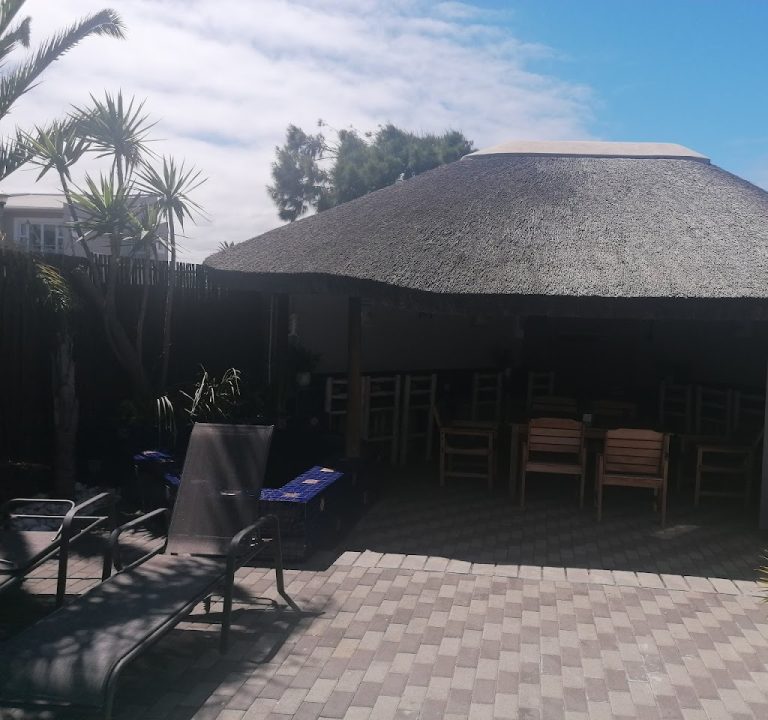
For a sample stay, consider a boutique guesthouse that combines a personal touch with thoughtful amenities, such as a well‑appointed breakfast area, inviting lounges, and a garden or balcony from which to enjoy the scenery. A remaining tip is to plan ahead for popular attractions, especially in peak season, and to leave some days flexible for weather, spontaneous discoveries, or a slow morning with a good book and a view. For more ideas about places to stay and things to do, official tourism resources and city guides can provide practical information and current recommendations. Cape Town tourism official site often lists area highlights, travel tips, and suggested itineraries that suit a range of budgets and interests.
- Book a property with clear cancellation terms and direct communication with the host or manager.
- Prioritise locations with easy access to public transport or parking if you plan to explore widely.
- Check for essential comforts: reliable Wi‑Fi, heating/air conditioning, and comfortable bedding.
- Consider extra touches such as a garden or balcony, a generous breakfast, and helpful local recommendations.