Accommodation and Experiences in Cape Town: A Practical Guide for Visitors
Cape Town offers a rich mix of guest houses, boutique hotels, and lodges set against dramatic coastlines, harbour views, and mountainous scenery. When planning a stay, it helps to think about where you want to base yourself, what you hope to see each day, and how you’ll move around. A well-chosen base can maximise both convenience and immersion, from sunlit breakfasts on a verandah to easy access to beaches, markets, and hillside trails.
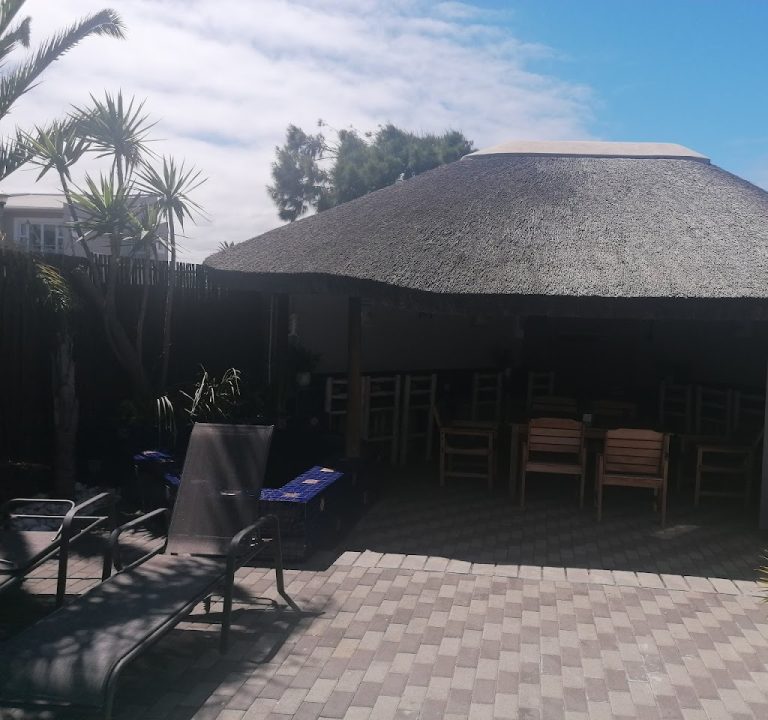
One excellent example of a welcoming option is Atlantic Oasis Guest House, a guest house that combines comfortable rooms with easy access to popular neighbourhoods and attractions. Booking a stay here or similar properties can set you up for a balanced itinerary that blends relaxation with exploration. For planning purposes, consider the following areas and what they offer.
- Atlantic Seaboard (including Camps Bay and Clifton): beachside scenery, sunset walks, and chic dining scenes. Not as central to the city bustle, but with dramatic coastal views and abundant guest house and boutique hotel options.
- Green Point and Sea Point: close to the V&A Waterfront, the promenade, and many eateries, with a mix of guest houses, boutique hotels, and self-catering flats.
- City Bowl/Central Cape Town: convenient for museums, Table Mountain cableway access, and historic neighbourhoods. A good choice for those who will spend time in the urban core and prefer shorter transfers to sights.
- De Waterkant and the Atlantic fringe: a lively, cosmopolitan area with accessible transport links and a range of accommodation styles.
- Constantia and the Constantia Valley: ideal for a more relaxed, countryside feel with leafy lanes, wine estates nearby, and homely guesthouses with garden spaces.
When you book, look for common essentials that make a stay comfortable and hassle-free. A bright, well-kept room with secure access, dependable Wi‑Fi, and a private bathroom are the basics. If you prefer self-catering or a breakfast-inclusive option, check what’s provided in the room rate and whether there are communal kitchen facilities or on-site dining. For travellers who plan day trips, it helps to choose a host or property with helpful local tips, good maps, and reliable arranging of airport transfers or driver services.
Transport in Cape Town is varied and practical. The city is serviced by an international airport within easy reach, and you’ll typically find rental cars, taxis, and ride-hailing options available. The MyCiTi bus network provides affordable, straightforward routes through many parts of the city, including to the V&A Waterfront and the central business district. If you intend to explore the Cape Peninsula, a car is often the most flexible option, while a guided tour or a day trip organised by your guest house can be a convenient alternative for scenic drives and signature viewpoints.
Seasonality shapes the experience. Cape Town’s peak visitor period runs through the warmer months, roughly November to March, when days are longer and the sea is inviting. Shoulder seasons—late spring and early autumn—often offer comfortable weather, fewer crowds, and a calmer pace for sightseeing. Winter (June to August) is cooler and sometimes windy, yet you can enjoy cultural venues, wine-tasting in nearby valleys, and theatre or museum visits with fewer queues. If you’re concerned about weather, packing layers, a light rain jacket, and sturdy walking shoes will keep you prepared for coastal breezes and hill walks alike.
Planning your itinerary around a mix of natural beauty, culture, and cuisine will help you make the most of your stay. Cape Town’s natural attractions are renowned for their views and accessible trails. Iconic experiences often involve a cable car or climbing routes that lead to sweeping panoramas of the city and ocean. In addition to natural highlights, the city’s culinary scene spans casual eateries, market stalls, and refined establishments where days can begin with a leisurely breakfast and end with sunset dining against the skyline.
Practical tips for a smooth trip:
- Book in advance for prime periods and consider a guest house or boutique hotel with a definite return policy and clear cancellation rules.
- Check if your accommodation offers parking or has easy access to public transport, particularly if you plan day trips along the coast or to wine routes.
- Ask about safety features and neighbourhood guidance, especially if you’ll be out after dark in busy areas or late in the evening after restaurants and markets close.
- Look for inclusive options such as self-catering facilities or breakfast packages to suit your pace and budget.
- Reserve a mix of activities and experiences: guided walks or hiking, harbour-front strolls, markets, and evening dining to reflect Cape Town’s diverse appeal.
For more information and inspiration, you can visit the accommodation’s own website to explore room types, facilities, and booking terms. A thoughtfully chosen place to stay—paired with a well-planned mix of activities—can transform a Cape Town trip into a memorable, balanced, and comfortable travel experience.