Accommodation and Attractions in Cape Town: Plan Your Stay in the Mother City
Cape Town, perched between the Atlantic and the iconic Table Mountain, offers a wide range of accommodation and experiences to suit every traveller. From stylish hotels in the sun‑kissed suburbs to charming guesthouses with sea views, the city provides a solid base for exploring the Western Cape’s natural beauty, urban culture, and world‑class dining. When planning a stay, consider which neighbourhood best matches your interests, mobility, and pace of travel, then map out a loose itinerary to combine must‑see sights with time to simply soak up the atmosphere.
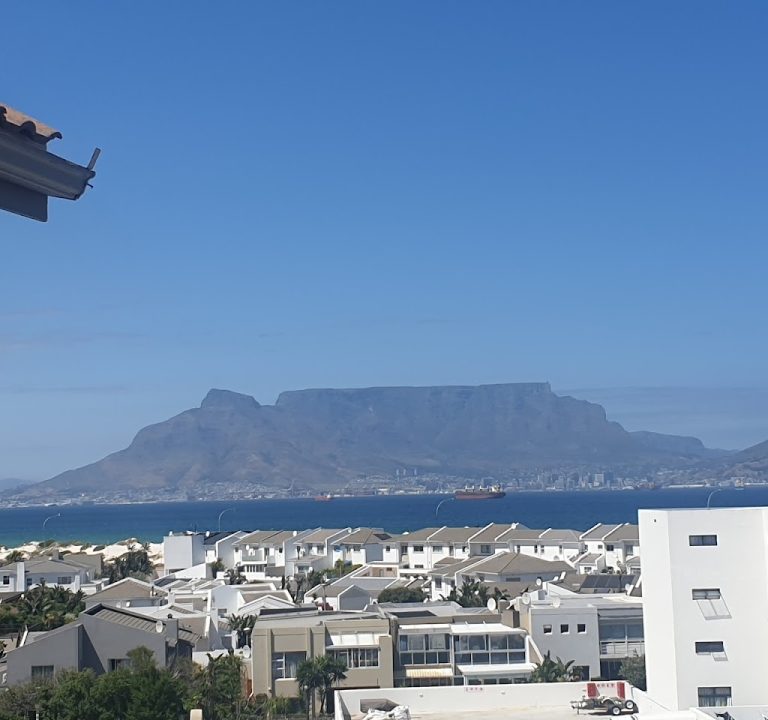
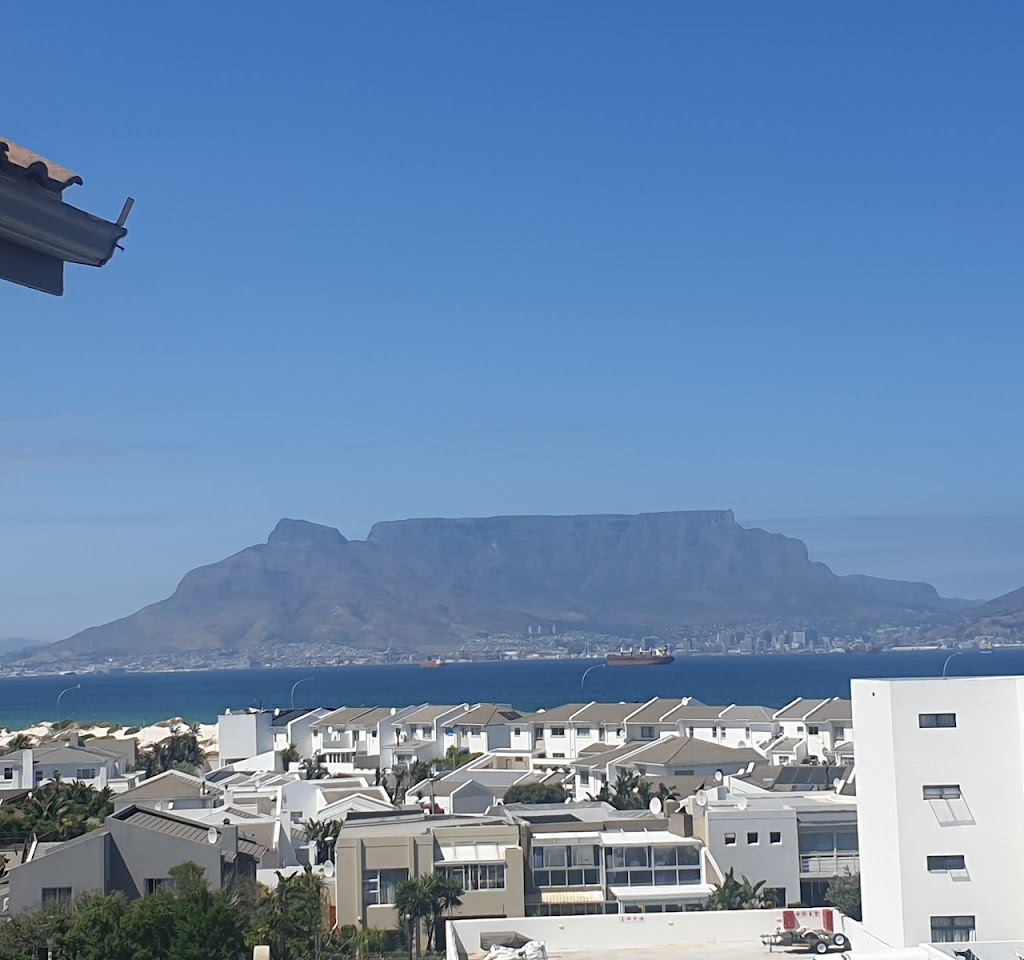
Where to stay matters as much as what to do. If you crave coastline and dramatic scenery, look to Camps Bay or Clifton for luxury stays with ocean panoramas and easy beach access. For convenience and a touch of urban life, Green Point and the City Bowl offer proximity to the V&A Waterfront, parks, and a lively restaurant scene. For a more relaxed, family‑friendly vibe with sport and access to nature, Constantia and the southern suburbs provide leafy streets, wine‑tasting options, and easy drives to the Constantia Valley. Sandy Bay is a quieter option inland from the Atlantic coast and can provide a peaceful retreat with nearby beaches and scenic drives along the peninsula.
Typical accommodation in Cape Town runs from boutique hotels and guesthouses to modern apartments and larger hotels. Common amenities include free Wi‑Fi, air conditioning or heating, private bathrooms with quality toiletries, and tea and coffee facilities. Many properties offer on‑site dining, and some provide additional perks such as swimming pools, fitness rooms, or guided tours. When booking, check the room type, bed configuration, and whether the stay includes breakfast or access to shared facilities. If you are travelling with family or a group, consider apartment‑style options with a kitchenette or a private lounge for more flexibility and value.
Transport is a practical consideration. The city centre and popular coastal areas are well connected by a metropolitan transport network and ride‑hailing services. If you prefer independence, a rental car is convenient for trips to the Cape Peninsula, the wine routes, and the Cape Point reserve. For those staying near the harbour, the V&A Waterfront is a walkable hub with easy access to ferry services and tours. If you plan day trips, look for properties offering easy driving routes or organised excursions, and verify nearby parking availability if you’ll have a car.
The best time to visit Cape Town depends on your priorities. The austral summer, roughly October to February, brings long days, sunshine, and calmer seas on many beaches, ideal for outdoor adventures and coastal dining. Spring (August to October) can be excellent for surfing and wildflower displays if you venture further afield. Autumn and winter (May to August) are milder in temperature but tend to be windier and wetter, which suits visitors who prefer quieter streets and abundant indoor experiences such as museums, galleries, and cellar‑door tastings. Always check the local weather forecast and note that sea breezes can be strong on coastal days, even in summer.
What to see and do, even if you are not aiming to do everything, helps shape where to base your stay. Iconic landscapes await at the summit of Table Mountain and on the surrounding plateaus, while the Cape Peninsula drive offers dramatic coastal scenery, penguin colonies, and charming seaside towns. Cultural seekers will find museums, galleries, and historic sites throughout the city, and food lovers can plan evenings around markets, street food stalls, and refined dining in equal measure. For a gentler pace, stroll along the beaches at sunset, take a harbour cruise, or explore the leafy valleys and gardens of the Constantia and Kirstenbosch areas.
When booking, use a simple checklist to avoid common pitfalls. Consider the location in relation to your planned activities, the security of the neighbourhood, and what kind of access you need to transport links. Look for clear cancellation policies and transparent fees, and read recent guest reviews for insights into noise levels, cleanliness, and staff attentiveness. If you require accessibility features or specific room configurations, contact the property in advance to confirm availability. Finally, keep a shortlist of nearby restaurants and a rough daily plan, so you can balance restful mornings with scenic afternoons and memorable meals.
Restaurant and dining culture ranges from casual markets and beachside eateries to refined establishments that celebrate Cape cuisines and wine pairings. In many areas you’ll find markets and pop‑ups where you can sample local flavours, artisan coffee, and freshly baked goods. South Africa’s wine regions are just a short drive away, with Constantia and nearby Stellenbosch offering scenic drives, cellar tours, and lunch options that pair well with a day spent exploring the peninsula. Those who prefer a more urban experience will enjoy a diverse range of eateries near the V&A Waterfront and in central Cape Town, with menus featuring seafood, game, and vegetable‑forward dishes that showcase the region’s produce.
- Location and neighbourhood fit your itinerary and pace
- Security, accessibility, and parking options
- Amenities that matter (breakfast, Wi‑Fi, pool, kitchen facilities)
- Clear cancellation terms and transparent pricing
- Proximity to major sights, transport, and dining venues
For practical planning, start with Cape Town’s official tourism resources to map your route and identify seasonal events. A combination of coastal adventures, city explorations, and relaxed wine‑country day trips can make for a well‑rounded stay. With a thoughtful approach to where you base yourself, you’ll enjoy both the energy of the city and its quieter, scenic corners during your visit to Cape Town, Western Cape, South Africa.