Accommodation and Planning a Stay in Cape Town, Western Cape
Cape Town blends spectacular scenery with a wide range of places to stay, from boutique B&Bs and family‑run lodges to contemporary hotels and self‑catering apartments. When planning a visit, it helps to think about which neighbourhood will set the tone for your days and how you plan to move around. A comfortable base with thoughtful amenities can turn a good stay into a great one, especially in a city where the scenery changes with every drive or walk.
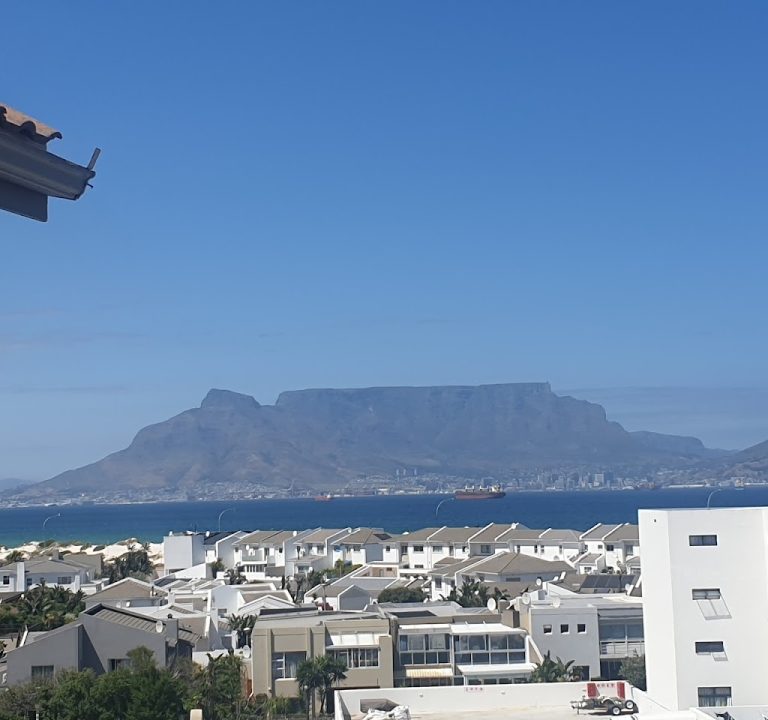
Areas to consider are spread across the peninsula, each offering its own character. The City Bowl and the central Waterfront are convenient for sightseeing, dining, and nightlife, with easy access to guided tours and public transport. If you want beach access and dramatic coastal views, the Atlantic Seaboard — including places near Clifton, Camps Bay, and neighbouring neighbourhoods — is ideal. For a leafy, wine‑country vibe with calmer surroundings, Constantia and the nearby Constantia Valley offer guesthouses and lodges with garden settings and a slower pace. Bloubergstrand provides striking sunsets over the Atlantic Ocean and is a pragmatic base for wind‑surfing and easy driving routes to the city or the Cape Peninsula. Annexing nearby towns such as Hout Bay or the African‑styled villages of the False Bay coast gives a broader sense of the region’s diversity.
When choosing where to stay, consider a few practical factors. Proximity to the places you plan to visit most—Table Mountain, the Kirstenbosch gardens, Robben Island, or the Winelands—can save time and reduce fatigue. If you prefer traffic‑free mornings, a location near MyCiTi bus stops or a walkable waterfront can be advantageous. Look for obvious comforts such as reliable heating or cooling, good internet, secure parking if you are driving, and clear access to facilities for families or solo travellers. Many lodges and guesthouses in Cape Town offer options like private balconies, outdoor seating, or communal lounges, which are helpful for relaxed evenings after day trips.
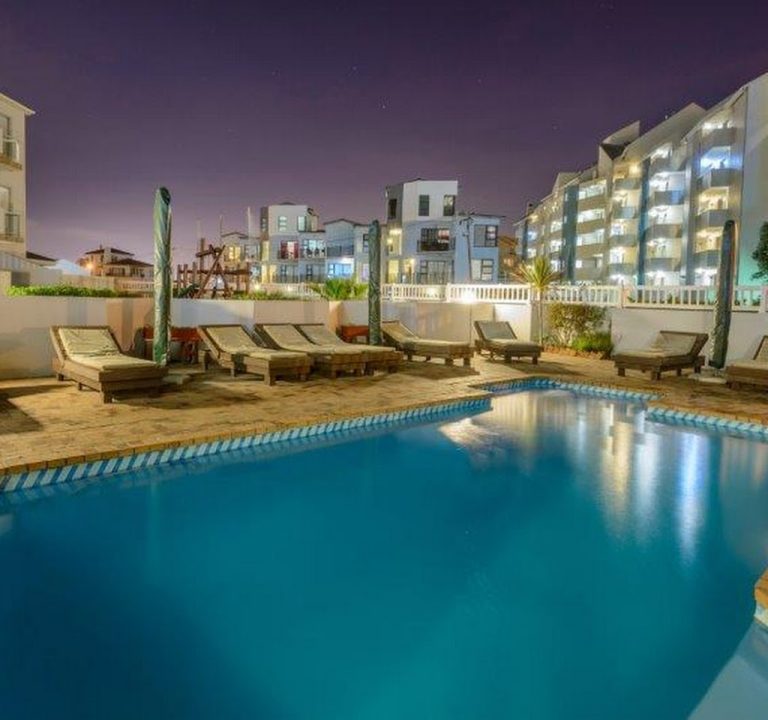
Accommodation types vary from boutique guesthouses with personalised hosts to lodges set in tranquil gardens and contemporary hotels with on‑site dining. A stay at a lodge such as Nautica Views Blouberg (in Blouberg) can be a convenient choice for travellers who want quick access to the beach and panoramic views without sacrificing modern amenities. If you choose a lodge, expect attentive service, comfortable rooms, and a sense of place that reflects the local surroundings. Guesthouses and smaller boutique properties often provide a more intimate experience, with breakfast options and the chance to receive insider tips on off‑the‑beaten‑path activities.
Typical amenities to look for include a well‑appointed en suite, reliable hot water, adequate lighting for reading, and a private or semi‑private outdoor space. Kitchen facilities or easy access to breakfast service can be a priority for travellers who prefer to self‑cater some meals. For those who plan day trips, ask about on‑site or complementary arrangements for early departures or late returns, and whether there is a shuttle option to popular routes or the airport. In busy seasons, clear information about check‑in times and a responsive host or front desk can make a noticeable difference to your experience.
Transport is a core consideration in Cape Town. The city’s layout rewards those who plan their days around longer drives or scenic routes, such as the coastal road along the Atlantic Seaboard. Renting a car offers maximum flexibility, but if you’d rather not drive, a combination of Uber and local buses can work well for central areas and the waterfront. If you stay in a more residential area, ensure easy access to reliable taxis or a guesthouse’s arranged transfers. Parking permissions and security are practical checks to include when booking, especially in busy districts or near popular beaches.
Best time to visit Cape Town depends on your priorities. The shoulder seasons—late autumn and spring—often offer mild weather, fewer crowds, and more comfortable sightseeing. Summer brings long days, sea air, and lively waterfront activity, but can be busier and pricier. Winter is cooler and wetter, yet the region remains attractive for museum visits, wine tours equipped for rain, and lower rates. Pack layers to accommodate rapidly changing conditions, especially on the coast where gusts can be strong.
Nearby attractions and experiences generally fall into two categories: natural beauty and culinary or cultural immersion. Natural highlights include iconic viewpoints, scenic drives, and easy hiking routes with well‑maintained paths. Cultural and culinary experiences range from heritage‑focused tours to market strolls and restaurant discoveries offering a sense of place rather than grandiose claims. When selecting activities, consider what pace you want: a relaxed harbour stroll, a full‑day coastal drive, or a guided wine‑land excursion. Many lodges and guesthouses can help you plan a balanced itinerary and organise practical arrangements such as transport between regions or recommendations for reputable guides.
- Always confirm what is included in your booking (breakfast, housekeeping, on‑site facilities) and what might be charged separately.
- Ask about security and access, especially if arriving late or returning after sunset.
- Request local recommendations for off‑the‑beaten‑path eateries and honest descriptions of distances and travel times.
- In peak periods, consider flexible dates or longer stays to secure better rates and more space.
In short, Cape Town welcomes a wide spectrum of travellers with places to rest that suit different rhythms, while offering a tapestry of attractions, scenic drives, and dining experiences that are best enjoyed with a comfortable base and practical planning. Whether you choose a stylish lodge with ocean views or a cosy guesthouse in a lively district, a well‑chosen stay can amplify the wonder of Cape Town’s landscape, culture, and hospitality.