Discover Cape Town: Where to Stay, What to See and How to Plan Your Visit
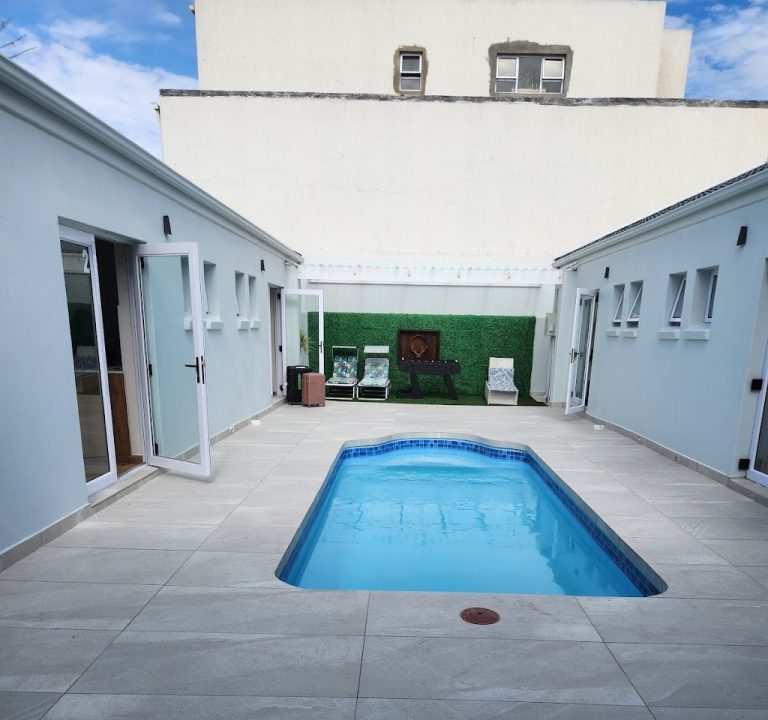
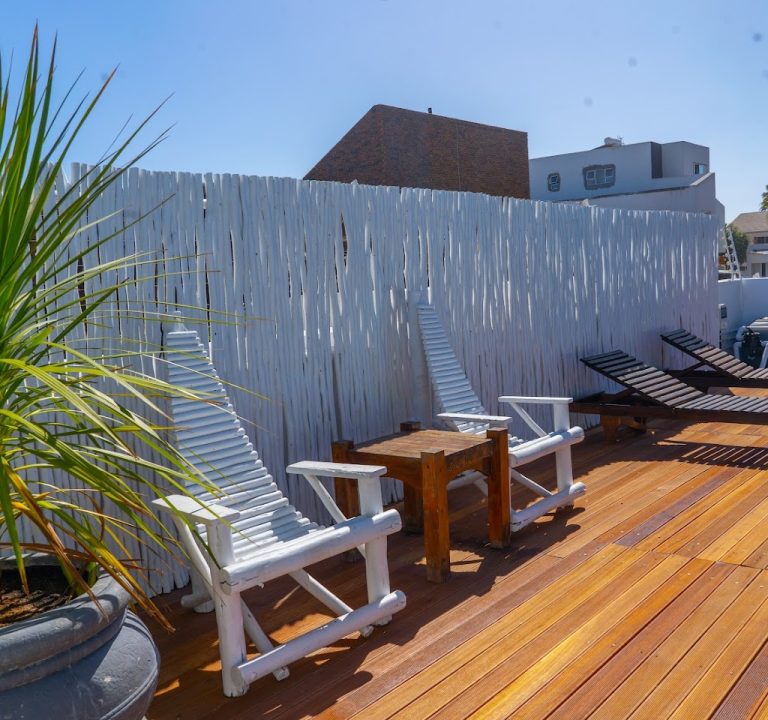
Capsule-worthy beaches, dramatic mountains and a thriving hospitality scene make Cape Town one of South Africa’s most rewarding destinations for a first-time visitor or a returning traveller. When choosing a base, consider areas that align with your interests, access needs and pace of travel. A popular option for many guests is a guest house such as Ocean Vibes Inn, which can offer a more personalised stay with breakfast options and convenient neighbourhood ambience.
Areas to consider for your stay range from the bustling V&A Waterfront and City Centre, to the coastal wines-and-sea vibe of the Atlantic Seaboard, and the leafy tranquillity of Constantia. If you want easy access to iconic viewpoints and hiking, the foothills of Table Mountain or Lion’s Head can be appealing. For families or nature lovers, Kalk Bay and Hout Bay provide a slower pace with charming seaside flavours, while the Constantia Valley offers easy access to vineyards and verdant scenery.
When booking accommodation, look for essentials that suit your itinerary. Proximity to public transport or parking facilities is helpful, particularly if you plan day trips along the Cape Peninsula or to nearby nature reserves. Ask about on-site amenities such as reliable Wi‑Fi, secure parking, welcomed breakfast options, and flexible check-in times. If you value quiet and privacy, a guest house like Ocean Vibes Inn may offer en-suite rooms, individual entrances, and locally sourced hospitality without the bustle of larger hotels.
Typical amenities you might encounter include en-suite bathrooms, tea and coffee making facilities, blackout curtains for restful nights, and practical extras like luggage storage or laundry services. Some properties also provide guided insight into local restaurants, markets and lesser-known viewpoints. Guests often appreciate recommendations for coffee shops in the morning, sunset spots with sea views, and safe strolls along well-lit streets in the evening.
Transport across Cape Town is straightforward, though planning helps. The MyCiTi bus system covers many routes, including connections to the city centre, the Atlantic Seaboard and the southern suburbs. Taxis and ride-hailing services are ubiquitous, and car hire offers the greatest flexibility for scenic drives along the Cape Peninsula. If you want to reach Cape Point or Cape Point Nature Reserve, a car is particularly convenient, though guided tours are widely available from central locations. For a balanced experience, pairing a car with short, manageable days can reduce fatigue while still letting you savour the views and the coastline.
Best time to visit Cape Town depends on what you’re after. The summer months (roughly December to February) bring longer days and vibrant outdoor life, with sea temperatures comfortable for swimming at many beaches. Winter (June to August) is cooler and often rainier, but the mountains can be dramatic and there are fewer crowds at popular sights. Spring and autumn (September–November and March–May) offer mild weather and a pleasant balance of outdoor activities and quieter streets. If you’re aiming to combine nature with city dining, consider shoulder seasons when prices can be more favourable and attractions are less crowded.
From a planning perspective, it helps to map a flexible itinerary. Key experiences include a cable-car ascent or guided walk on Table Mountain to soak up sweeping views of the city and coastline; a visit to Kirstenbosch National Botanical Garden for shaded trails and seasonal blooms; and a day trip along the Cape Peninsula to view the dramatic coastline, penguin colonies, and rugged cliffs. Robben Island, where you can learn about the country’s recent history, is typically accessed by ferry from the Waterfront or nearby harbours. For wildlife and beaches, Boulders Beach and the False Bay coastline offer memorable encounters with penguins and seal colonies, subject to seasonal access rules and conservation guidelines.
Alongside natural splendour, Cape Town thrives as a culinary hub. You’ll find a spectrum of dining options—from casual coastal cafés with light meals and seafood to refined restaurants emphasising local produce and global techniques. Many visitors enjoy markets and street-food-inspired venues where fresh ingredients and artisan products take centre stage. When choosing where to dine, consider booking ahead for popular evenings, and be prepared for menus that celebrate Cape summers, seafood, game, and vegetables grown in nearby farms and wine estates. If you have dietary preferences, most venues are accustomed to accommodating vegetarian, vegan and gluten-free options.
Practical tips to help you enjoy your stay:
- Pack layers for variable weather; mornings can be cool by the water, warming up by afternoon in the sun.
- Bring a light waterproof layer for coastal winds and sudden showers, particularly if you’re exploring the Cape Peninsula or joining harbour walks.
- Check sun protection for outdoor days on beaches or at Table Mountain, where exposure can be stronger than expected.
- Book popular attractions in advance where possible, especially during peak travel periods.
- Respect conservation rules at wildlife sites and national parks; stay on designated paths and follow local guidelines for safety and the environment.
For further inspiration and practical planning, you can browse official tourism resources and reputable travel guides. Links to local tourism portals often provide area-by-area insights, transport tips and seasonal highlights, helping you tailor a Cape Town stay that balances natural beauty with cultural depth. Whether you’re seeking a cosy guest house with a personal touch, or a stylish stay with easy access to beaches, Cape Town offers a welcoming base for exploring one of Africa’s most dynamic cities.
Discover more about Cape Town and start planning your itinerary at trusted sources, and consider a stay that combines comfort, convenience, and an authentic sense of place. For example, you may wish to explore accommodation options hosted by friendly guest houses in the City Centre, on the Atlantic Seaboard, or in nearby suburbs that offer quick routes to both nature and urban attractions. Visit: Cape Town Tourism.